Cancer, diabetes need a Jan Andolan, not just hospitals: Dr Jitendra Singh
Synopsis
A Union Minister's call for a 'Jan Andolan' against cancer and diabetes is more than political rhetoric — it is an admission that India's hospital-first model is losing the race against a fast-accelerating NCD epidemic. With diabetes already affecting over 101 million Indians and cancer diagnoses rising, the real question is whether this appeal becomes a funded national campaign or remains an aspirational soundbite.
Key Takeaways
Dr Jitendra Singh called for a nationwide 'Jan Andolan' against cancer, diabetes, and obesity on 19 July in New Delhi .
The minister said India's NCD response must shift from hospitals to community-level prevention and early detection .
He flagged health misinformation as a parallel crisis undermining evidence-based care and the Viksit Bharat vision.
Many cancers are now treatable if caught early — making timely screening a priority, according to Dr Singh.
Balanced nutrition, physical activity, and periodic check-ups must become national habits, not individual choices, the minister said.
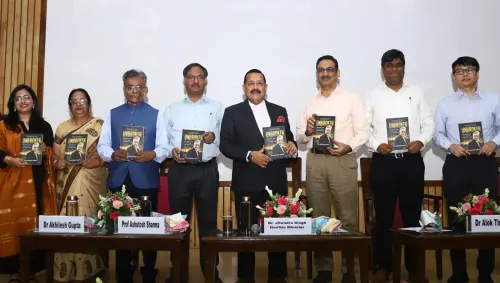
The remarks were made at the launch of 'UNBROKEN' , a cancer memoir by former DST Senior Adviser Dr Akhilesh Gupta .
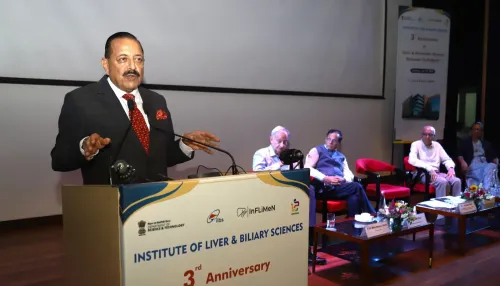
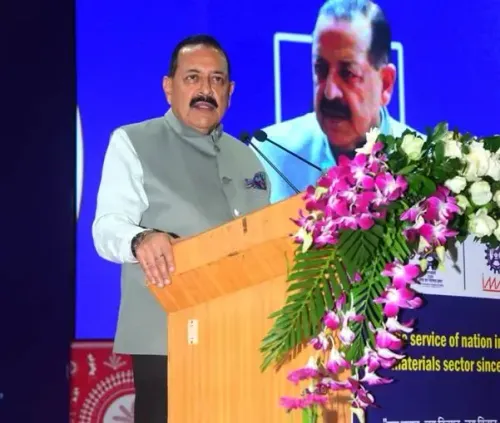
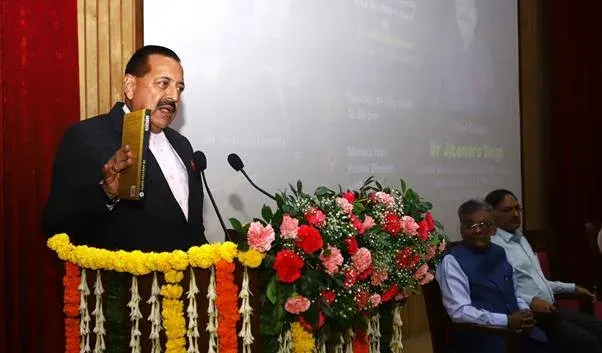
Union Minister of State (Independent Charge) for Science and Technology Dr Jitendra Singh on Sunday, 19 July called for a nationwide 'Jan Andolan' — a people's movement — against cancer, diabetes, obesity, and other non-communicable diseases (NCDs), arguing that India's public health response must move decisively beyond hospital walls and into communities. His remarks came at the launch of 'UNBROKEN: My Battle with Cancer and the Will to Lead', a memoir by cancer survivor and former Department of Science and Technology (DST) Senior Adviser Dr Akhilesh Gupta, held in New Delhi.
The Case for a Mass Public Movement
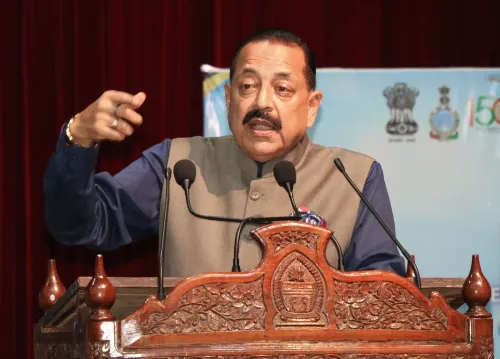
Dr Singh said the country's growing burden of lifestyle disorders demands a structural shift — from reactive, hospital-centric treatment to proactive, community-driven prevention. 'India's response to the growing burden of Cancer, Diabetes, obesity and other non-communicable diseases must move beyond hospitals and become a mass public movement centred on early detection, right medical advice and evidence-based healthcare,' the minister said.
He underscored that cancer, fatty liver disease, and other metabolic disorders are no longer confined to older age groups. These conditions are increasingly affecting younger Indians, making early intervention not just desirable but urgent.
Health Misinformation: A Parallel Crisis
Beyond the disease burden itself, Dr Singh flagged a second, compounding problem: the proliferation of health misinformation. 'The country today faces not merely a lack of awareness but also the challenge of widespread health misinformation, making scientific communication and evidence-based health communication more important than ever for realizing the vision of Viksit Bharat,' he said.
The minister's concern reflects a broader pattern visible across India's digital health landscape, where unverified remedies and unqualified advice circulate widely on social media, often delaying patients from seeking timely, evidence-based care.
Early Detection as a Survival Tool
Dr Singh pointed to early diagnosis as one of the most effective — and underutilised — weapons against cancer. 'Many cancers are now treatable or manageable if detected early, making timely screening and prompt medical intervention crucial to improving survival rates,' he explained.
This comes amid data showing that a significant proportion of cancer cases in India are diagnosed at advanced stages, when treatment options narrow and outcomes worsen. Expanding access to affordable screening, particularly in Tier 2 and Tier 3 cities, remains a critical gap in the country's NCD response.
Preventive Healthcare as a National Habit
The minister called for balanced nutrition, regular physical activity, and periodic health check-ups to become embedded in everyday Indian life rather than remaining individual choices made only after illness strikes. He expressed particular concern over rising obesity rates and sedentary lifestyles, which he identified as upstream drivers of the NCD epidemic.
'Balanced nutrition, regular physical activity and periodic health check-ups must become integral to everyday life if India is to reduce the growing burden of lifestyle diseases,' Dr Singh said.
The Backdrop: India's NCD Challenge
India is currently grappling with one of the world's fastest-growing NCD burdens. Diabetes alone affects an estimated 101 million Indians, according to recent epidemiological surveys, while cancer incidence continues to rise year on year. The World Health Organisation (WHO) has repeatedly flagged NCDs as the leading cause of premature mortality in low- and middle-income countries, a category India is actively trying to exit through initiatives like Viksit Bharat.
Dr Singh's call for a Jan Andolan signals an intent to align public health messaging with that broader national ambition — positioning prevention not as a health ministry concern alone, but as a whole-of-society responsibility. Whether that intent translates into a structured, funded national campaign remains to be seen.
Point of View
But health behaviour change is far harder to mandate than sanitation infrastructure. The NCD burden is real and worsening, yet the government's own public health spending as a share of GDP remains among the lowest in comparable economies. A minister's speech at a book launch, however well-intentioned, is not a policy. The test is whether this Jan Andolan gets a budget line, a nodal agency, and a screening target — or fades into the long list of awareness campaigns that moved sentiment but not outcomes.
NationPress
18 Oct 2026
Frequently Asked Questions
What is the Jan Andolan Dr Jitendra Singh called for?
Dr Jitendra Singh called for a nationwide people's movement — a 'Jan Andolan' — focused on preventing and early-detecting non-communicable diseases such as cancer, diabetes, and obesity. He made the appeal on 19 July in New Delhi, arguing that India's public health response must extend beyond hospitals into communities.
Why did Dr Singh raise the issue of health misinformation?
The minister said widespread unverified health advice, particularly on digital platforms, is compounding India's NCD crisis by delaying patients from seeking evidence-based care. He described scientific communication as essential to achieving the Viksit Bharat vision.
What did Dr Singh say about cancer detection?
Dr Singh said many cancers are now treatable or manageable when caught early, making timely screening and prompt medical intervention critical to improving survival rates. He stressed that early diagnosis remains one of the most underutilised tools in India's cancer response.
Who is Dr Akhilesh Gupta and what book was launched?
Dr Akhilesh Gupta is a cancer survivor and former Senior Adviser at the Department of Science and Technology. His memoir, 'UNBROKEN: My Battle with Cancer and the Will to Lead', was launched in New Delhi on 19 July, at which Dr Singh delivered his address.
Which diseases did Dr Singh identify as India's biggest public health challenges?
Dr Singh identified cancer, diabetes, obesity, fatty liver disease, and other metabolic disorders as India's most pressing public health challenges, noting they are increasingly affecting younger age groups and are driven by sedentary lifestyles and poor nutrition.