Tharoor Condemns Delhi Police Mistreatment of MP John Brittas
Synopsis
Congress MP Dr. Shashi Tharoor, chair of the Parliamentary Standing Committee on External Affairs, has condemned the alleged mistreatment of CPI(M) MP John Brittas by Delhi Police, calling the incident 'appalling' and demanding a formal investigation into democratic policing standards.
Key Takeaways
Shashi Tharoor , chairperson of the Parliamentary Standing Committee on External Affairs, publicly condemned the alleged mistreatment of MP John Brittas by Delhi Police.
John Brittas is a CPI(M) Rajya Sabha MP from Kerala and an active member of Tharoor's own parliamentary committee.
Tharoor invoked his institutional role as committee chair — not just as a fellow opposition MP — to lend the condemnation formal weight.
He called on Delhi Police to conduct a formal investigation into the incident.
Tharoor framed the episode as a test of democratic policing standards, raising the issue above partisan politics to one of constitutional norms.
Delhi Police operates under the Union Home Ministry , adding a political dimension to any future government response.
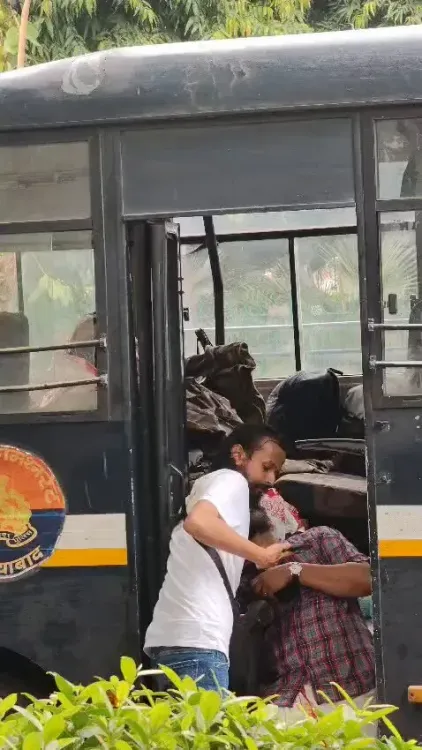
A sitting parliamentarian roughed up by police in the capital — and the chair of India's most powerful foreign-affairs oversight body is demanding answers. Congress MP Dr. Shashi Tharoor, chairperson of the Parliamentary Standing Committee on External Affairs, took to X on Sunday, October 11, 2026, to publicly condemn what he described as the 'mistreatment' of CPI(M) Rajya Sabha MP John Brittas by the Delhi Police, calling the incident 'appalling' and demanding a formal investigation.
Who is John Brittas — and why his treatment matters
John Brittas is a Rajya Sabha Member of Parliament from Kerala, representing the Communist Party of India (Marxist). A veteran journalist and media administrator before entering politics, he has built a reputation as an active and vocal parliamentarian. Tharoor explicitly identified him as 'a respected Parliamentarian and a valued and active member of the Parliamentary Standing Committee on External Affairs' — the same committee Tharoor chairs — underlining that the alleged mistreatment was not merely a personal affront but an institutional one.
Tharoor invokes democratic policing standards
Writing in his capacity as committee chairperson — not just as a fellow opposition MP — Dr. Tharoor deployed the full weight of his institutional role. 'As its chair, I condemn the mistreatment of a distinguished Member and call on the Delhi Police to investigate the incident,' he stated. He closed with a pointed constitutional reminder: 'There are standards of policing in a democracy that must be upheld.' The phrasing is deliberate — framing the episode not as a political skirmish but as a test of democratic norms, one that transcends party lines.
Delhi Police, parliamentary privilege, and what happens next
The Delhi Police functions under the jurisdiction of the Union Home Ministry, a structural arrangement that has repeatedly drawn scrutiny when opposition lawmakers allege mistreatment in the capital. Incidents involving elected representatives raise questions not only about law-enforcement conduct but about parliamentary privilege — the legal protections that insulate MPs from obstruction while discharging their duties. A formal investigation, if ordered, would be watched closely by opposition parties and civil-liberties advocates alike.
Tharoor's intervention carries weight beyond party solidarity: a cross-party committee chair publicly demanding police accountability on behalf of a member from a different political formation signals that the stakes are being framed as institutional, not partisan. Whether Delhi Police moves to investigate — and how swiftly — will define how the government chooses to respond to a challenge that is now on the record.
Point of View
Designed to make any government non-response look like an affront to parliamentary oversight rather than a routine political dispute. The episode spotlights the perennial tension between Delhi Police's Home Ministry chain of command and opposition lawmakers who allege structural vulnerability when they push back in the capital. If Brittas's case gains traction, it could reinvigorate the longstanding debate over granting Delhi's elected institutions greater oversight of its police force. The cross-party nature of the solidarity — a Congress leader defending a CPI(M) colleague — also signals a broader opposition posture of institutional self-defence ahead of parliamentary sessions.
NationPress
11 Oct 2026
Frequently Asked Questions
Who is John Brittas and why was he allegedly mistreated by Delhi Police?
John Brittas is a CPI(M) Rajya Sabha MP from Kerala and a member of the Parliamentary Standing Committee on External Affairs. The specific circumstances of the alleged mistreatment have not been detailed in the public statement, but Dr. Tharoor has called on Delhi Police to investigate the incident.
Why did Shashi Tharoor specifically condemn Delhi Police over the John Brittas incident?
Dr. Tharoor condemned the incident in his capacity as chair of the Parliamentary Standing Committee on External Affairs, of which John Brittas is a member. He called the mistreatment of a sitting parliamentarian 'appalling' and inconsistent with democratic policing standards.
Does Delhi Police have to investigate when an MP is mistreated?
Delhi Police operates under the Union Home Ministry and is expected to uphold the law equally, including protections relevant to parliamentary privilege. Dr. Tharoor's public call for an investigation creates institutional pressure, though no automatic legal obligation triggers an inquiry solely from a parliamentarian's public statement.
What is parliamentary privilege in India?
Parliamentary privilege refers to the special legal rights and immunities granted to Members of Parliament, protecting them from obstruction while performing their legislative duties. Alleged police mistreatment of a sitting MP can raise questions about whether these protections were violated.
Which committee does Shashi Tharoor chair?
Dr. Shashi Tharoor chairs the Parliamentary Standing Committee on External Affairs, which oversees matters related to India's foreign policy, external relations, and the Ministry of External Affairs.