NCB, Odisha ANTF launch Mission Zero Cannabis in Kandhamal and Boudh
Synopsis
India's anti-narcotics agencies are moving on two fronts simultaneously: Odisha's ANTF and the NCB have launched Mission Zero Cannabis in Kandhamal and Boudh — the state's two biggest illicit cultivation hotspots — while Rajasthan's Operation Shankar destroyed over 7,500 plants worth nearly ₹11.76 crore. Both drives are tethered to a national Vision Document targeting full eradication by December 2027.
Key Takeaways
NCB and Odisha ANTF launched Mission Zero Cannabis Cultivation in Kandhamal and Boudh on 11 October 2026 .
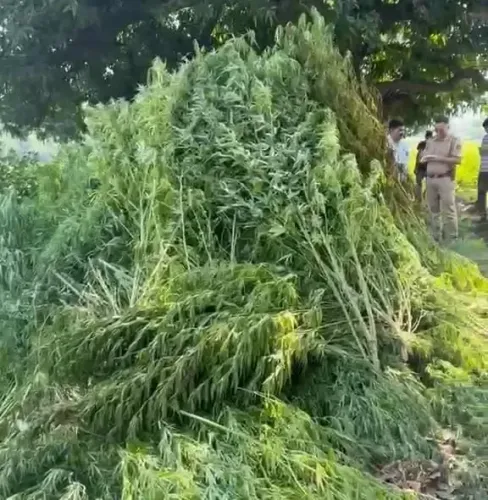
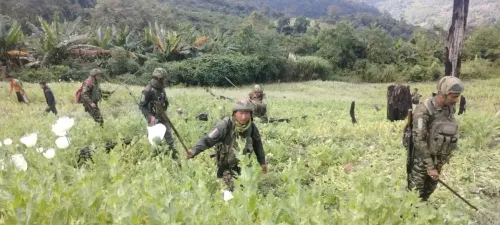
Around 30 acres of illicit cannabis were destroyed in Kakendri village , Kandhamal, during the launch.
The mission targets elimination of illicit cannabis in both districts by March 2027 , ahead of the national deadline of December 2027 .
In Rajasthan , Operation Shankar destroyed 7,577 cannabis plants across 9.4 bighas in Udaipur district , with an estimated value of ₹11.76 crore .
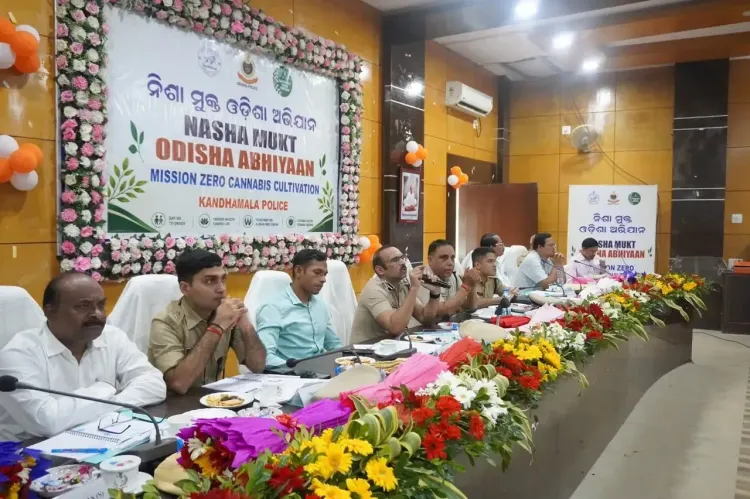
500 people took the 'Nasha Mukt' pledge at Sudrukumpa; 500 students joined a mini-marathon at Phulbani to build community awareness.
Patwaris in Rajasthan have been directed to inspect and report suspected narcotic cultivation during girdawari , extending accountability to revenue officials.
The Narcotics Control Bureau (NCB) on Sunday, 11 October 2026, participated in the formal launch of the Odisha Anti Narcotics Task Force (ANTF)'s Mission Zero Cannabis Cultivation targeting Kandhamal and Boudh — the two districts that account for the majority of illicit cannabis cultivation in the state. As part of the launch event, around 30 acres of illegal cannabis crop were destroyed in Kakendri village of Kandhamal.
What Mission Zero Cannabis Targets
According to an official NCB statement, the mission is aligned with the Vision Document on Narcotics Control (2026–29) and aims to eliminate illicit cannabis cultivation in both districts by March 2027. The drive is a coordinated effort involving central agencies, state enforcement bodies, district administrations, and local communities.
In a community mobilisation initiative held alongside the enforcement action, 500 people — including Panchayat members — took the 'Nasha Mukt' (Drug-Free) pledge at Sudrukumpa. Separately, 500 college students participated in a mini-marathon at Phulbani, reinforcing public awareness of the anti-narcotics drive.
Rajasthan: Operation Shankar Uproots 7,577 Plants
In a parallel enforcement action, teams from NCB Jodhpur, ANTF Rajasthan, and Rajasthan Police jointly conducted Operation Shankar in Nayawas village of Kotra tehsil, Udaipur district. The operation led to the detection and destruction of approximately 7,577 cannabis plants spread across 9.4 bighas of land.
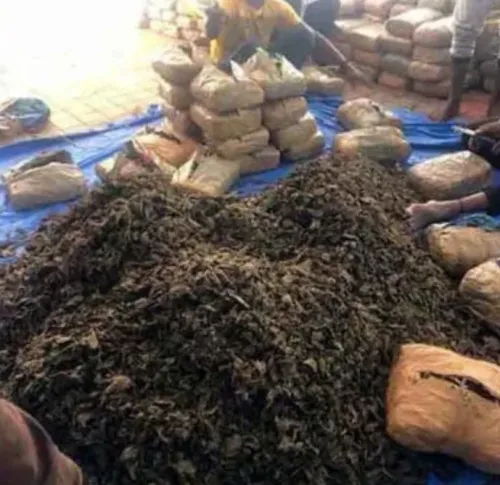
Officials estimated the potential yield from the destroyed crop at around 2,273 kg of ganja, with a street market value of nearly ₹11.76 crore. NCB Jodhpur has registered a criminal case in connection with the seizure, and further investigation is reportedly underway.
Rajasthan Tightens Surveillance on Narcotic Crops
The Rajasthan government has stepped up its crackdown on illicit narcotic crop cultivation by strengthening surveillance and imposing stricter reporting responsibilities on revenue officials. Under new directives, Patwaris have been instructed to regularly inspect their jurisdictions during girdawari and immediately report any suspected narcotic crop cultivation to the concerned Girdawar and Tehsildar.
The intensified enforcement reflects a broader shift in ground-level accountability, pushing frontline revenue administration into the anti-narcotics chain — a notable structural addition to existing enforcement frameworks.
National Framework and What Comes Next
Both operations fall under India's national Vision Document on Narcotics Control, which sets a deadline of December 2027 to eliminate illicit cannabis and poppy cultivation in identified high-risk areas through sustained enforcement and community engagement. Notably, the Odisha mission has set an earlier internal deadline of March 2027, suggesting an accelerated push in the state.
With criminal proceedings registered in Rajasthan and a coordinated community-enforcement model now active in Odisha, agencies will be closely watched on whether these launches translate into durable crop elimination ahead of the national deadline.
Point of View
Deadline-driven eradication model — a meaningful shift in ambition. The real test, however, is institutional follow-through: past enforcement drives in cannabis-heavy belts have produced headline destruction numbers without permanently altering cultivation patterns. Bringing Patwaris into the reporting chain is a structurally sound idea, but only if it is backed by accountability mechanisms, not just instructions. With the national December 2027 deadline approaching, Odisha's self-imposed March 2027 target will be an early indicator of whether this mission has teeth or is another well-photographed pledge-taking ceremony.
NationPress
11 Oct 2026
Frequently Asked Questions
What is Mission Zero Cannabis Cultivation in Odisha?
Mission Zero Cannabis Cultivation is an anti-narcotics drive jointly launched by the NCB and the Odisha Anti Narcotics Task Force (ANTF) targeting the elimination of illicit cannabis farming in Kandhamal and Boudh districts by March 2027. The mission is aligned with India's Vision Document on Narcotics Control (2026–29).
How much cannabis was destroyed in Odisha during the launch?
Around 30 acres of illicit cannabis cultivation were destroyed in Kakendri village of Kandhamal during the Mission Zero launch event on 11 October 2026.
What was Operation Shankar in Rajasthan?
Operation Shankar was a joint enforcement drive by NCB Jodhpur, ANTF Rajasthan, and Rajasthan Police in Nayawas village, Kotra tehsil, Udaipur district. It led to the destruction of approximately 7,577 cannabis plants across 9.4 bighas of land, with an estimated market value of ₹11.76 crore. A criminal case has been registered and investigation is ongoing.
Why are Patwaris being involved in the anti-narcotics drive in Rajasthan?
Under new directives, Patwaris have been instructed to inspect their jurisdictions during girdawari and promptly report any suspected narcotic crop cultivation to the Girdawar and Tehsildar. The move aims to build a ground-level early-warning system by integrating revenue officials into the enforcement chain.
What is India's national deadline for eliminating illicit cannabis cultivation?
The national Vision Document on Narcotics Control sets December 2027 as the deadline for eliminating illicit cannabis and poppy cultivation in identified high-risk areas. Odisha's Mission Zero has set an earlier internal target of March 2027 for Kandhamal and Boudh districts.