CM Samrat Choudhary Reserves 25-40% Govt Purchases for Bihar Products
Synopsis
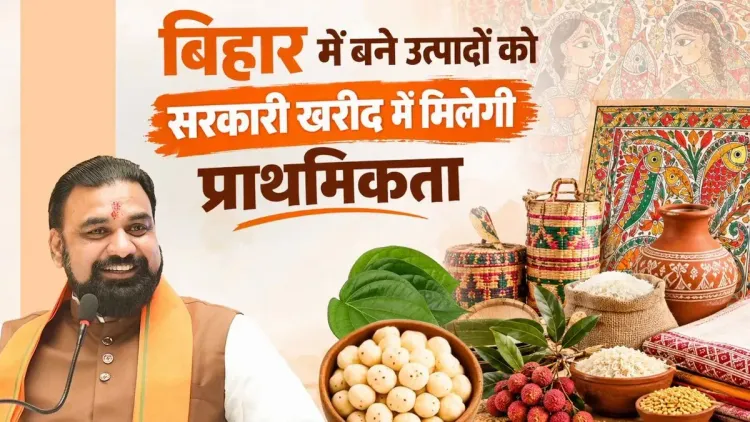
Bihar CM Samrat Choudhary has announced a 25-40% government procurement preference for quality-certified, locally manufactured products, aiming to energise Bihar's industries, support entrepreneurs, and create employment for the state's youth.
Key Takeaways
Bihar CM Samrat Choudhary announced on October 11, 2026 that state government procurement will reserve 25 to 40 per cent for Bihar-made products.
Only products meeting national quality standards will qualify, combining local preference with a quality compliance requirement.
The policy explicitly targets three outcomes: industrial growth, new opportunities for local producers, and job creation for Bihar's youth.
The move institutionalises a 'Make in Bihar' approach, using state purchasing power as a direct industrial policy tool.
Small and medium manufacturers in Bihar gain a structural advantage in government tenders over suppliers from other states.
The policy aligns with the national Atmanirbhar Bharat framework but translates it into a specific, enforceable state-level procurement rule.
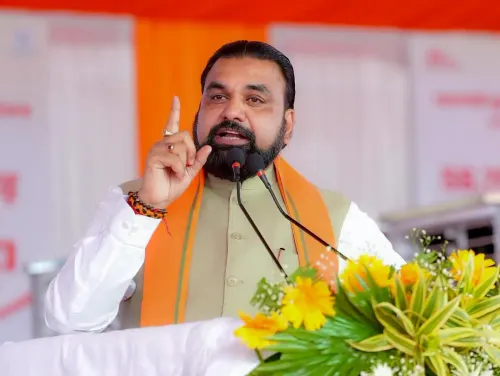
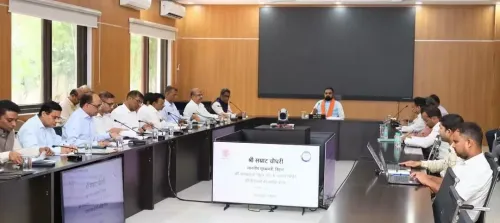
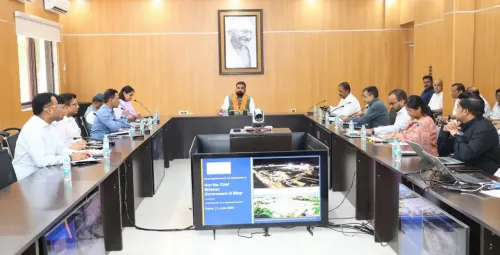
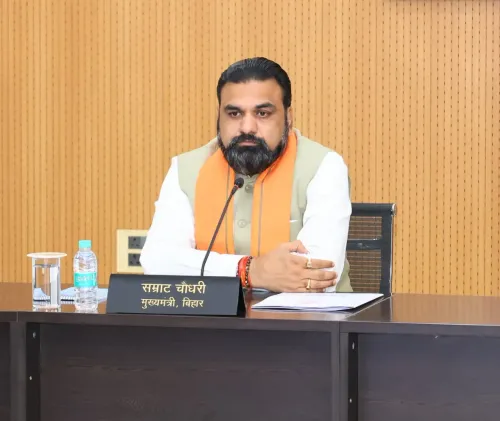
A direct, consequential promise — Bihar Chief Minister Samrat Choudhary announced on Sunday, October 11, 2026 that the state government will give mandatory priority to locally manufactured products in all government procurement, reserving between 25 and 40 per cent of purchases for goods made in Bihar and meeting national quality standards. The policy is designed to put real rupees behind a simple idea: buy Bihar first.
Posting on X, CM Choudhary laid out the rationale plainly: 'बिहार में बने उत्पादों को बढ़ावा देना, स्थानीय उद्यमियों को प्रोत्साहित करना और राज्य की अर्थव्यवस्था को सशक्त बनाना हमारी प्राथमिकता है' — 'Promoting products made in Bihar, encouraging local entrepreneurs, and strengthening the state's economy is our priority.' The announcement signals a significant shift in how Bihar routes its own spending.
What the 25-40% Preference Band Actually Means
Government procurement is one of the largest and most reliable revenue streams any producer can tap. By carving out a 25 to 40 per cent preference window exclusively for Bihar-manufactured goods, the state administration is essentially creating a guaranteed domestic market for local industry — one that does not depend on private consumer behaviour or competition from larger industrial states.
The key qualifier is national standards compliance: only products that clear established quality benchmarks will qualify, ensuring the preference drives quality alongside volume. That caveat matters. It frames this not as protectionism but as a structured incentive for Bihar's manufacturers to upgrade and compete.
Jobs, Industry, and the Entrepreneurship Push
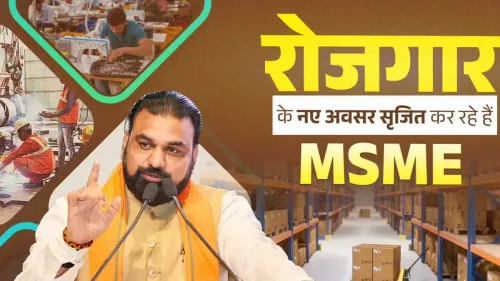
CM Choudhary specifically named three intended outcomes: industrial growth, new opportunities for local producers, and employment pathways for Bihar's youth. Bihar has one of India's youngest and fastest-growing populations, with a significant share of its workforce either migrating to other states or remaining underemployed. A sustained increase in state procurement from local industry could anchor more manufacturing activity within Bihar, reducing the economic pressure that drives out-migration.
Local entrepreneurs stand to benefit most directly — small and medium manufacturers who currently struggle to compete against larger suppliers from industrially developed states will now have a structural advantage in government tenders, provided their products meet the quality bar.
Bihar's Industrial Ambitions Get a Policy Lever
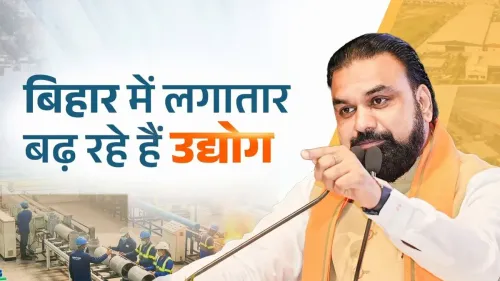
The announcement reflects a broader approach seen across several Indian states: using the state's own purchasing power as an industrial policy tool. Rather than waiting for private investment alone to drive manufacturing, governments are turning procurement itself into an engine of local economic development. Bihar, long characterised as a remittance-dependent economy, is signalling through this move that it intends to build productive capacity at home.
The 'Make in Bihar' orientation embedded in this policy aligns with the national Atmanirbhar Bharat framework, which encourages local sourcing at every level of government. By institutionalising it through a defined preference percentage, Choudhary is translating a broad national slogan into a specific, enforceable state-level mechanism.
The test will be in implementation — how tenders are structured, how compliance is monitored, and whether the quality threshold genuinely lifts standards rather than being quietly waived. But as a statement of intent, the numbers are unambiguous: a quarter to nearly half of what Bihar's government buys will now, by policy design, come from Bihar itself.
Point of View
Flexible enough to avoid legal challenge on grounds of discriminatory procurement. The quality-standards qualifier gives the policy a defensible economic rationale and insulates it from criticism that it simply shields inefficient local producers. For the BJP government in Bihar, which faces persistent questions about economic migration and youth unemployment, this is also a visible, quantifiable commitment — one that can be tracked in tender data and held up as evidence of 'governing, not just governing'.
NationPress
11 Oct 2026
Frequently Asked Questions
What is Bihar's new government procurement policy for local products?
Bihar CM Samrat Choudhary has announced that 25 to 40 per cent of all state government purchases will be reserved for products manufactured in Bihar, provided those products meet national quality standards.
Who benefits from Bihar's 25-40% procurement preference policy?
Local Bihar manufacturers, small and medium entrepreneurs, and industries operating within the state are the primary beneficiaries, as they will receive preferential treatment in government tenders over suppliers from other states.
Does the Bihar procurement preference apply to all local products?
No. Only Bihar-manufactured products that comply with established national quality standards will qualify for the procurement preference, ensuring a quality threshold alongside the local-sourcing requirement.
How does this policy aim to create jobs for Bihar's youth?
By directing a significant share of government spending toward local industry, the policy is intended to stimulate manufacturing activity within Bihar, creating employment opportunities and reducing the economic pressure that drives youth migration to other states.
Is Bihar's procurement policy related to Atmanirbhar Bharat?
The policy aligns with the national Atmanirbhar Bharat framework's emphasis on local sourcing, but operationalises it as a specific, enforceable state-level procurement rule with defined percentage bands.