Bessent: Graham law doesn't block US purchase of Russian diesel
Synopsis
With an 18 October tariff deadline looming, US Treasury Secretary Scott Bessent has publicly declared that the Graham Russia sanctions law does not block Washington’s planned purchase of Russian diesel — leaving unanswered how the administration will handle the law’s 500 per cent tariff trigger on Russian petroleum. India, already hit with a 25 per cent tariff over Russian crude purchases, has the most to lose if Bessent’s legal reading is wrong.
Key Takeaways
Scott Bessent on 11 October 2026 denied that the Lindsey Graham Russia sanctions law bars the US from purchasing Russian diesel .
Section 112 of the law mandates duties of up to 500 per cent on Russian goods, including petroleum products, by 18 October .
Section 113 threatens up to 100 per cent duties on countries among the top-five importers of Russian crude — a category that includes India .
President Donald Trump announced Russia would supply more than 300,000 tonnes of diesel to US and global markets.
India was hit with an additional 25 per cent tariff on its goods in August 2025 over Russian crude purchases.
Bessent did not clarify which legal authorities the administration is relying on or how it will handle the tariff provisions due next week.
US Treasury Secretary Scott Bessent on Sunday, 11 October 2026 flatly rejected congressional claims that the Lindsey O. Graham Sanctioning Russia and Iran Act of 2026 prohibits Washington from purchasing Russian diesel — a clarification that carries direct implications for India and other major buyers of Russian crude, with a critical tariff deadline just one week away on 18 October.
What Bessent Said
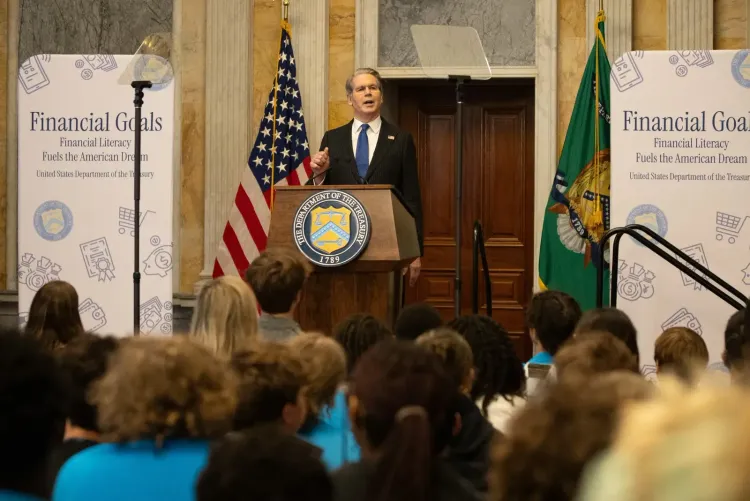
Speaking on Fox News, Bessent insisted the administration had full legal authority to proceed with the diesel deal. “Anyone in Congress who says whether it’s an old bill or the current Lindsey Graham bill prohibits us from doing it is wrong,” he said. He added that the move was “good for the American people,” citing the objective of “bringing these diesel prices down.”
Bessent did not, however, specify which legal authorities the administration was relying on, nor did he explain how it plans to handle the law’s tariff provisions that fall due next week. The Treasury Department posted the full interview on X.
The Graham Law and Its Tariff Deadlines
The Lindsey O. Graham Sanctioning Russia and Iran Act of 2026 was signed into law on 18 September 2026. Two provisions carry imminent deadlines. Section 112 requires the President, within 30 days, to impose duties of “up to 500 per cent” on all goods imported from Russia, including petroleum products. Section 113 mandates duties of “up to 100 per cent” on goods from any country that ranked among the five largest importers of Russian crude oil or natural gas in the year before enactment and that continues to make new purchases after the 30-day mark. Both deadlines converge on 18 October.
Notably, Section 113 counts only purchases of crude oil and natural gas — not refined products such as diesel — when determining which countries face the secondary tariffs. The law also grants the President authority to waive any duty by certifying to Congress that it serves the US national interest, and preserves the Treasury Secretary’s power to extend or issue new general licences.
India’s Direct Stake
India has been among the largest buyers of Russian crude since 2022 and faces potential exposure under Section 113. In August 2025, President Donald Trump imposed an additional 25 per cent tariff on Indian goods specifically over those purchases. New Delhi has consistently argued it is held to a different standard. The External Affairs Ministry noted on 4 August 2025 that the United States itself “continues to import from Russia uranium hexafluoride for its nuclear industry, palladium for its EV industry, fertilisers as well as chemicals.”
This comes amid a broader diplomatic tension over the India–EU Free Trade Agreement, signed in January 2026, which Bessent has previously argued allows Russian oil to flow into India, get refined, and re-enter Europe as finished products. “The Russian oil goes into India, the refined products come out, and the Europeans buy the refined products. They are financing the war against themselves,” he told a US broadcaster in January.
Bessent Takes Aim at Europe
Bessent reserved sharp criticism for European governments, accusing them of hypocrisy for objecting to Washington’s diesel deal while themselves failing to end dependence on Russian energy. “They had a failed energy policy and Vladimir Putin, they continue to fund him. So for them to say that we cannot have a respite in diesel pricing is completely hypocritical,” he said. He claimed European nations had transferred more money to Russia since the war began than they had given to Ukraine.
What Happens Next
President Donald Trump announced on Friday that Russia would initially supply more than 300,000 tonnes of diesel to American and global markets. The administration’s legal interpretation will face its first real test on 18 October, when both tariff deadlines expire. How Washington navigates the waiver provisions — and whether it formally certifies a national-interest exemption — will determine the law’s practical impact on India and other major Russian crude buyers.
Point of View
But that reading has not been tested in court or certified to Congress. For India, the stakes are asymmetric: New Delhi has little leverage to contest a tariff interpretation made in Washington, and a 25 per cent surcharge is already in place. The irony flagged by India’s External Affairs Ministry — that the US itself imports Russian nuclear and industrial materials — remains diplomatically unresolved and undercuts the moral consistency of the sanctions regime.
NationPress
12 Oct 2026
Frequently Asked Questions
What did Scott Bessent say about the Graham Russia sanctions law?
Bessent said the Lindsey Graham Russia sanctions law does not prohibit the United States from buying Russian diesel, calling congressional objections ‘wrong.’ He stated the deal was in the interest of the American people by lowering diesel prices, but did not specify the legal authority the administration is relying on.
What are the tariff deadlines under the Graham Act?
Both Section 112 and Section 113 of the Lindsey O. Graham Sanctioning Russia and Iran Act of 2026 carry deadlines of 18 October 2026 — 30 days after the law was signed on 18 September. Section 112 could trigger duties of up to 500 per cent on Russian goods including petroleum, while Section 113 targets up to 100 per cent on goods from major Russian crude importers.
How does the Graham Act affect India?
India is among the largest buyers of Russian crude since 2022 and falls within the scope of Section 113, which targets the five largest importers of Russian crude or natural gas. India was already hit with an additional 25 per cent US tariff in August 2025 over those purchases, and the 18 October deadline could deepen that exposure.
Why is Bessent criticising Europe over Russian energy?
Bessent accused European nations of hypocrisy for objecting to the US diesel deal while continuing to fund Russia through their own energy purchases. He claimed Europe had given Russia more money since the war began than it had given to Ukraine, and said European countries ‘cannot wean themselves off Russian energy.’
Can the US President waive the Graham Act tariffs?
Yes. The law allows the President to waive any duty by certifying to Congress that the waiver serves the US national interest. It also preserves the Treasury Secretary’s authority to extend or issue new general licences, though the administration has not yet publicly invoked either provision.