US tariff bill on Russian energy buyers alarms India's engineering exporters
Synopsis
The US Senate's 86-11 passage of the Lindsey Graham Sanctioning Russia and Iran Act of 2026 doesn't name India — but its data-driven mechanism could pull India into a 100% tariff regime purely on the strength of its Russian crude purchases. With $19.60 billion in engineering exports to the US at stake, the bill is a slow-moving threat that New Delhi cannot afford to ignore.
Key Takeaways
The US Senate passed the Lindsey O.
Graham Sanctioning Russia and Iran Act of 2026 by an 86-11 vote, authorising tariffs of up to 100 per cent on top buyers of Russian energy.
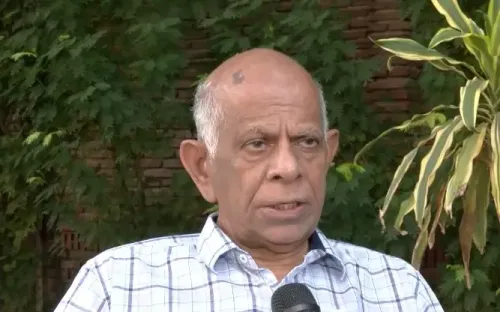
EEPC India Chairman Pankaj Chadha flagged the bill as 'really concerning,' warning it could dent the competitiveness of Indian engineering shipments.
Indian engineering exports to the US stood at $19.60 billion in FY 2025-26 , up 2.3 per cent year-on-year.
The bill targets the five largest importers of Russian crude and natural gas, reviewed every 180 days — India is among the world's largest buyers of Russian crude.
The legislation now moves to the House of Representatives , where senior Democrats have raised objections to its tariff provisions.
A bill passed by the US Senate that empowers President Donald Trump to impose tariffs of up to 100 per cent on top importers of Russian energy has triggered alarm among Indian engineering exporters, with industry body EEPC India warning of potential fallout if the legislation becomes law. The warning came on 8 August 2026, even as the bill still has to clear the House of Representatives before it can be enacted.
What the Bill Proposes
The legislation — formally titled the Lindsey O. Graham Sanctioning Russia and Iran Act of 2026 — was passed by the Senate in an 86-11 vote. It does not name India explicitly but authorises the administration to identify the five largest importers of Russian crude oil, the five largest importers of Russian natural gas, and the five leading countries facilitating Russian oil sanctions evasion, using trade data rather than statutory naming. Those determinations would be based on the most recent 12-month period and reviewed every 180 days.
The bill now moves to the House of Representatives, where senior Democrats have already objected to its sweeping tariff provisions — a development that introduces legislative uncertainty around its final passage.
Why India's Engineering Sector Is Worried
'This development is really concerning for us, considering the US is the top market for Indian engineering goods,' said Pankaj Chadha, Chairman of EEPC India. He added that while it would be 'premature to discuss any possible impact' before the bill completes the legislative process, any additional levy would 'dent the competitiveness of Indian shipments.'
Indian engineering goods exports to the US reached $19.60 billion in financial year 2025-26, recording a 2.3 per cent year-on-year increase — a positive trajectory that was maintained even amid earlier Trump-era tariffs. A fresh round of duties at the scale envisaged in the bill could reverse those gains.
India's Exposure as a Russian Energy Buyer
India has significantly ramped up purchases of discounted Russian crude oil since 2022, making it one of the largest buyers of Russian energy globally. While that shift has delivered cost savings for Indian refiners, it has simultaneously raised India's profile as a potential target under legislation of this nature. The bill's data-driven identification mechanism means India's inclusion would depend on trade volumes in the relevant review period — adding a layer of unpredictability for exporters.
Notably, this comes amid an already complex trade environment: the Trump administration has imposed a separate round of tariffs on Indian goods, and bilateral trade negotiations between New Delhi and Washington remain ongoing.
What Happens Next
The bill's passage through the House is not assured, given Democratic opposition to its tariff architecture. EEPC India has urged the government to engage with US counterparts proactively to safeguard India's export interests. If the legislation clears Congress and is signed into law, Indian exporters could face a dramatically altered competitive landscape in their single largest overseas market.
Point of View
It creates a floating sword over any nation that buys Russian energy in volume — and India, having dramatically expanded Russian crude imports since 2022, sits squarely in that frame. The irony is that India's energy diversification, celebrated domestically as strategic autonomy, now doubles as a tariff liability in Washington. With $19.60 billion in engineering exports riding on US market access, New Delhi faces a difficult balancing act between energy economics and trade diplomacy. The House opposition to the tariff provisions offers a window — but it is narrow, and the government's engagement with US counterparts will need to be both swift and substantive.
NationPress
22 Sept 2026
Frequently Asked Questions
What is the Lindsey Graham Sanctioning Russia and Iran Act of 2026?
It is a US Senate-passed bill that authorises President Donald Trump to impose tariffs of up to 100 per cent on the five largest importers of Russian crude oil, the five largest importers of Russian natural gas, and the five leading countries facilitating Russian oil sanctions evasion. The bill passed the Senate 86-11 and now awaits a vote in the House of Representatives.
Why is this bill a concern for India's engineering exports?
The US is the single largest market for Indian engineering goods, which reached $19.60 billion in FY 2025-26. If India is identified as a top buyer of Russian energy under the bill's data-driven mechanism, Indian goods could face tariffs of up to 100 per cent, sharply eroding their competitiveness in the American market.
Does the bill specifically name India?
No, the bill does not name India or any other country explicitly. It directs the administration to identify qualifying nations using trade data, covering the five largest importers of Russian crude, the five largest importers of Russian natural gas, and the top five facilitators of sanctions evasion — reviewed every 180 days.
Has the bill become law yet?
No. The bill has passed the US Senate but must still clear the House of Representatives, where senior Democrats have objected to its tariff provisions. EEPC India has described it as premature to assess the full impact until the legislative process is complete.
How have Indian engineering exports to the US performed recently?
Indian engineering exports to the US reached $19.60 billion in financial year 2025-26, recording 2.3 per cent year-on-year growth — a positive outcome achieved despite an earlier round of Trump-era tariffs on Indian goods.