Trump reveals Rubio in deep Cuba negotiations at UN General Assembly
Synopsis
At the UN General Assembly, Trump revealed that Marco Rubio is 'deep into negotiations' with Cuba — a striking disclosure with no details on what is being discussed or who Cuba has sent to the table. With Trump predicting the Cuban regime will 'fall' and citing unprecedented pressure, Washington appears to be pursuing regime change through both diplomacy and coercion simultaneously.
Key Takeaways
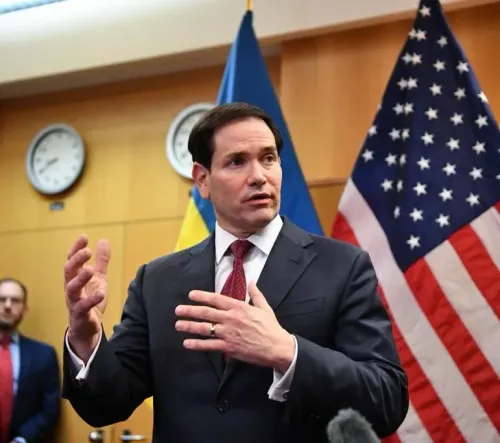
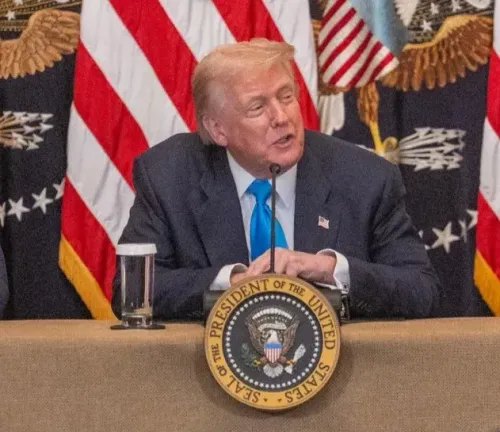
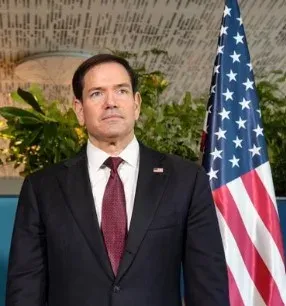
President Donald Trump disclosed on 22 September that Secretary of State Marco Rubio is in active negotiations with Cuba .
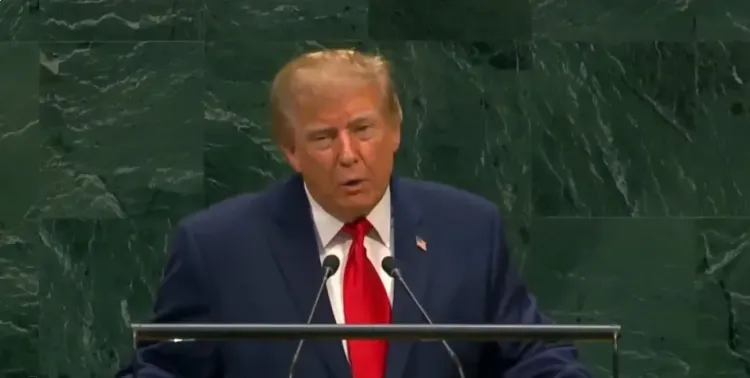
The announcement was made during Trump's address to the UN General Assembly in New York .
Trump claimed the Cuban regime is under 'the biggest pressure they've ever been under' and predicted it 'will fall.' Trump accused Cuba of ties to Communist Party USA , Antifa , and the Democratic Socialists of America — without providing details at the podium.
Trump cited the Venezuela military operation and an oil deal covering 65 billion barrels of Venezuelan reserves as evidence of his hemisphere-wide strategy.
Trump said the US had killed the leader of Tren de Aragua and conducted dozens of anti-drug strikes in the region.
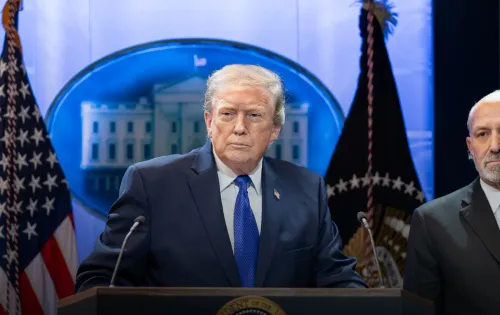
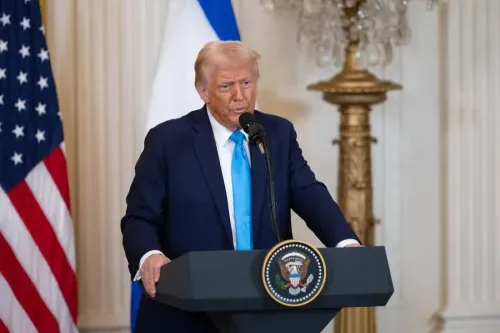
US President Donald Trump on Tuesday, 22 September disclosed that Secretary of State Marco Rubio was actively engaged in negotiations with Cuba, as the administration pursued what Trump described as a fundamental transformation of the Communist-governed island. The disclosure came during Trump's address to the UN General Assembly in New York.
What Trump Said About Cuba
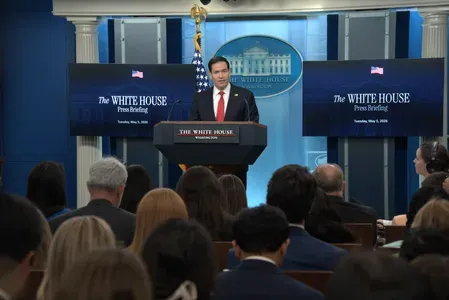
Trump offered few specifics, neither describing the nature of the talks nor identifying the Cuban officials involved. 'Marco Rubio is handling a negotiation. He's deep into negotiations with Cuba. Let's see what happens,' Trump said during his address.
He claimed the Cuban government was under unprecedented pressure and predicted its eventual collapse. 'My administration is also seeking a fundamental change in the situation in Cuba, where the Communist regime is under great pressure, the biggest pressure they've ever been under,' he said. 'It's an absolutely failed state. It's failing like never before, and it will fall,' he added.
US Security Stance on Cuba
Trump also asserted that the United States would not allow Cuba to serve as a base for foreign adversaries. 'We'll not allow a haven for foreign adversaries to threaten America on our own doorstep,' he said, describing Cuba as being 'right at our doorstep.'
He further accused the Cuban government of cultivating links with left-wing organisations and Communist networks inside the United States, naming the Communist Party USA, Antifa, and the Democratic Socialists of America. Trump offered no detailed evidence during his address, stating that the allegations had previously been outlined by the US State Department. 'Communism will never be coming to America, but freedom will be coming to Cuba,' he declared.
Broader Western Hemisphere Doctrine
Trump placed his Cuba remarks within a sweeping assertion of American power across the Western Hemisphere, vowing that the United States would no longer permit hostile governments, drug cartels, or foreign adversaries to establish a strategic foothold in the region. He said military force would be deployed when necessary to protect vital US interests.
He pointed to the American military operation in Venezuela that led to the arrest of former President Nicolás Maduro, noting that hundreds of Venezuelan political prisoners had subsequently been freed and that Washington was cooperating with the country's new leadership. Trump also cited an oil agreement covering 65 billion barrels of Venezuelan reserves, describing it as mutually beneficial and potentially significant for global energy costs.
Cartels and Regional Security
Trump compared drug cartels operating in the region to the Islamic State group. He said the United States had carried out dozens of strikes against drug-trafficking vessels and had killed the leader of the Venezuelan gang Tren de Aragua. He called Mexico the centre of cartel violence but said Washington maintained a productive relationship with the Mexican government and had made measurable progress in confronting organised criminal groups. 'Our actions in Venezuela are proof that the United States will no longer permit threats to America to gain a foothold anywhere in the Western Hemisphere,' Trump added.
Point of View
No framework was described, and no timeline was offered. That ambiguity could be strategic — keeping Havana off-balance — or it could reflect early-stage contacts that may not survive contact with Cuban political reality. Notably, Trump simultaneously declared the regime will 'fall,' which is an unusual posture for a government engaged in live diplomacy. The Venezuela template Trump invoked is also worth scrutiny: the Maduro arrest and the 65-billion-barrel oil deal represent a model where military pressure and economic extraction go hand in hand — and Havana will be watching that precedent very carefully.
NationPress
23 Sept 2026
Frequently Asked Questions
What did Trump say about Cuba at the UN General Assembly?
Trump revealed that Secretary of State Marco Rubio is 'deep into negotiations' with Cuba, though he did not specify the nature of the talks or identify Cuban officials involved. He made the disclosure during his address to the UN General Assembly on 22 September.
Who is leading US negotiations with Cuba?
Secretary of State Marco Rubio is leading the negotiations with Cuba, according to President Trump. Trump credited Rubio directly during his UN speech but provided no further details on the diplomatic contacts.
What is the US goal in negotiations with Cuba?
Trump described the US goal as achieving a 'fundamental change' in Cuba, asserting that the Communist regime was under unprecedented pressure and predicting it would collapse. He also said the US would not allow Cuba to serve as a base for foreign adversaries.
What did Trump say about Venezuela at the UN?
Trump cited the US military operation in Venezuela that led to the arrest of former President Nicolás Maduro, noting that hundreds of political prisoners had been freed. He also referenced a US oil agreement covering 65 billion barrels of Venezuelan reserves as a model for his hemisphere-wide strategy.
Did Trump provide evidence for his claims about Cuba's links to US groups?
Trump did not present detailed evidence during his UN address, stating that the allegations had previously been outlined by the US State Department. He named the Communist Party USA, Antifa, and the Democratic Socialists of America as organisations he alleged have ties to the Cuban government.