Rubio brands Cuba a 'failed state', warns of China-Russia spy bases
Synopsis
Marco Rubio's sharpest broadside yet on Cuba reframes the island as a frontline national security file, not just a sanctions case. With Chinese and Russian intelligence facilities reportedly aimed at the southeastern US from 90 miles away, and a $100 million aid offer routed past the regime, Washington is signalling a harder, China-focused Cuba policy.
Key Takeaways
Marco Rubio called Cuba a 'failed state' and a 'growing national security threat' before a House panel on 3 June .
He alleged Chinese and Russian intelligence facilities on the island target the southeastern United States .
Rubio said the US has offered $100 million in humanitarian aid via the Catholic Church and NGOs, bypassing the state.
He accused Havana of backing groups that destabilise pro-American governments across Latin America .
Policy flexibility remains limited by the Helms-Burton Act and other statutory provisions.
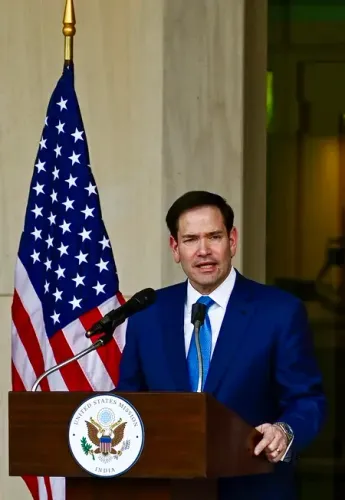
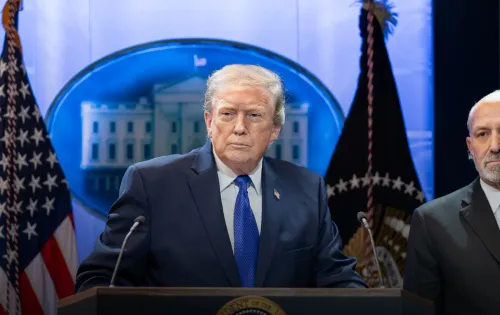
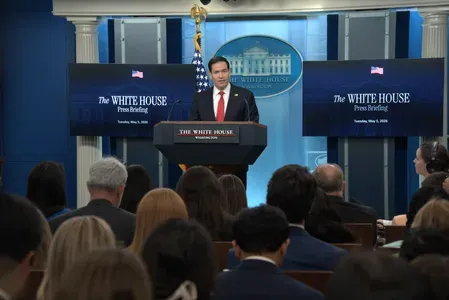
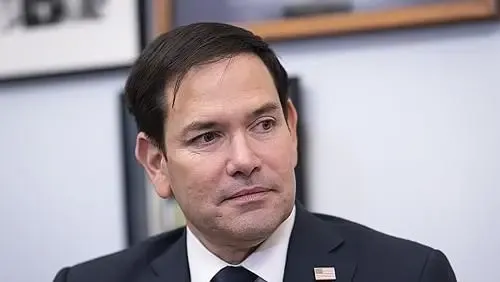
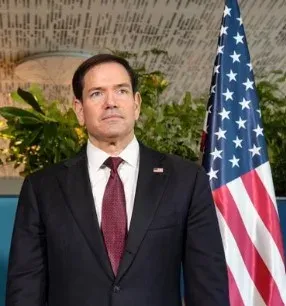
US Secretary of State Marco Rubio on Tuesday described Cuba as both a 'failed state' and a 'growing national security threat' to the United States, accusing Havana of hosting Chinese and Russian intelligence operations and bankrolling anti-American activity across Latin America. Rubio made the remarks before the House Appropriations Subcommittee on National Security, Department of State and Related Programs in Washington.
Key remarks before Congress
Testifying on 3 June, Rubio told lawmakers that Cuba's economic collapse and its tightening embrace of US adversaries had together produced a serious challenge for American interests in the Western Hemisphere. ‘Cuba is two things,' Rubio said. ‘The first thing is it's a failed state.'
The Secretary argued that the island's economic architecture has buckled after decades of mismanagement, with much of the economy now controlled by military-linked enterprises rather than civilian institutions. ‘The model that they have economically will never work,' he said.
Economic collapse and exodus
According to Rubio, Cuba is grappling with chronic shortages of fuel and electricity, even as military-run conglomerates retain substantial assets. He noted that the country has suffered a sustained exodus over the past two decades, eroding both its economy and its skilled workforce. ‘They've lost a lot of human capital as well,' Rubio said.
China and Russia on the doorstep
Beyond the domestic crisis, Rubio framed Cuba's deepening ties with Beijing and Moscow as a direct security concern. ‘The Chinese, the Russians operate intelligence collection facilities targeted at the southeastern United States from the island of Cuba,' he told the panel.
He added that such activity has been widely documented and described the island as a platform for intelligence gathering and political influence operations across the region. Reports of expanded Chinese signals intelligence presence in Cuba have surfaced repeatedly in recent years, drawing bipartisan concern in Washington.
Allegations of regional destabilisation
Rubio alleged that Cuba has long-standing links with movements that have sought to weaken pro-American governments in Latin America. ‘If you travel extensively in the Western Hemisphere, you will find that behind every disruptive element in their society designed to, for example, overthrow or pressure a pro-American government, there is a Cuban element involved,' he said.
He accused Havana of maintaining connections with transnational networks operating across the region, arguing these activities continue to corrode democratic institutions and regional stability. Critics of US policy, however, have long argued that Washington's decades-old sanctions framework has itself contributed to the island's economic distress.
Humanitarian aid and policy limits
The administration remains open to humanitarian assistance for ordinary Cubans, provided aid bypasses state-controlled entities, Rubio said. ‘We have offered to distribute $100 million of humanitarian aid through the Catholic Church and other non-governmental organisations,' he told lawmakers.
He argued that earlier aid routed through independent channels had reached Cuban communities effectively while avoiding government-controlled distribution. Rubio also noted that US policy toward Cuba remains bound by statutory requirements, including provisions of the Helms-Burton Act, which limit the administration's flexibility to alter sanctions or broader measures.
What happens next
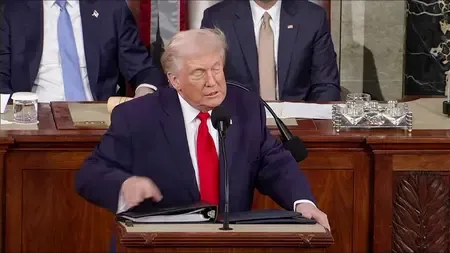
The testimony signals a hardening posture from the Trump administration toward Havana, with Cuba once again squarely on the US national-security agenda. Any meaningful policy shift, however, will hinge on Congress, given the statutory guardrails that frame Washington's Cuba strategy.
Point of View
Or whether it has frozen Washington into a posture that Beijing and Moscow are now exploiting.
NationPress
20 Oct 2026
Frequently Asked Questions
What did Marco Rubio say about Cuba?
US Secretary of State Marco Rubio described Cuba as both a 'failed state' and a 'growing national security threat' during testimony before a House Appropriations subcommittee on 3 June. He accused Havana of hosting Chinese and Russian intelligence operations and backing anti-American activity across Latin America.
Why does Rubio call Cuba a security threat to the US?
Rubio alleged that China and Russia operate intelligence collection facilities on Cuban soil targeted at the southeastern United States. He also said Cuba functions as a platform for political influence operations across the Western Hemisphere.
What humanitarian aid has the US offered Cuba?
Rubio said the US has offered to distribute $100 million in humanitarian aid through the Catholic Church and other non-governmental organisations. The structure is designed to ensure aid reaches Cuban citizens directly rather than state-controlled entities.
Why is US policy on Cuba hard to change?
US policy toward Cuba is governed by statutory requirements, most notably the Helms-Burton Act, which restricts the administration's ability to ease sanctions unilaterally. Any major shift in sanctions or engagement would require congressional action.
What is the state of Cuba's economy according to Rubio?
Rubio said Cuba's economic model has collapsed, with chronic shortages of fuel and electricity and much of the economy controlled by military-linked enterprises. He added that a sustained two-decade exodus has stripped the island of significant human capital.