CM Fadnavis receives ₹5 lakh donation for drought-hit farmers
Synopsis
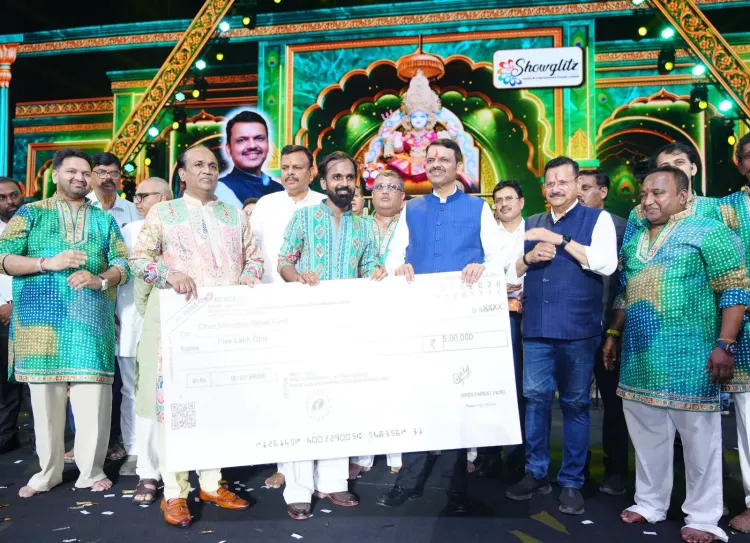
Donor Hiren Patel presented a ₹5,00,000 cheque to Maharashtra Chief Minister Devendra Fadnavis in Mumbai for the Chief Minister's Relief Fund, directed at drought-affected farmers. CM Fadnavis acknowledged and thanked the contributor. The fund is Maharashtra's key channel for private support during agricultural calamities.
Key Takeaways
Hiren Patel donated ₹5,00,000 to the Chief Minister's Relief Fund in Mumbai on 20 October 2026 .
The donation was handed over directly to Chief Minister Devendra Fadnavis , who personally thanked the donor.
The funds are earmarked specifically for drought-affected farmers in Maharashtra.
The Chief Minister's Relief Fund supplements state budget allocations for natural-calamity relief, enabling faster disbursement.
Maharashtra's Marathwada and Vidarbha regions face recurring agricultural drought, making such contributions consequential for farming communities.
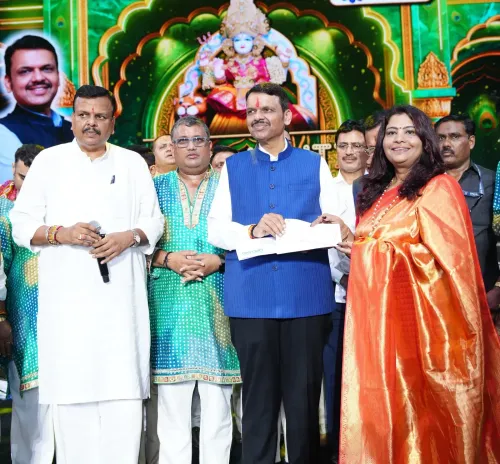
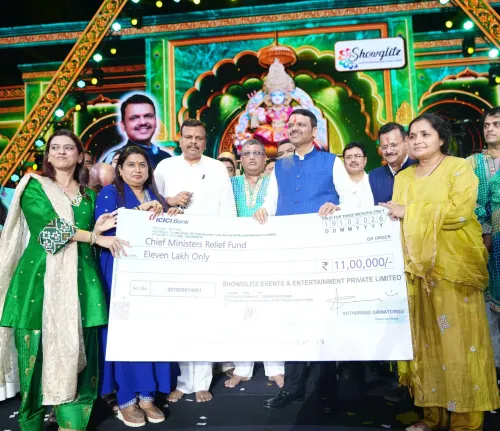
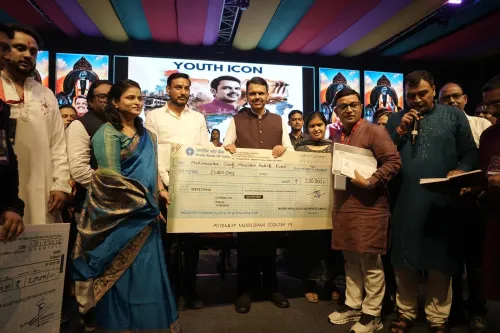
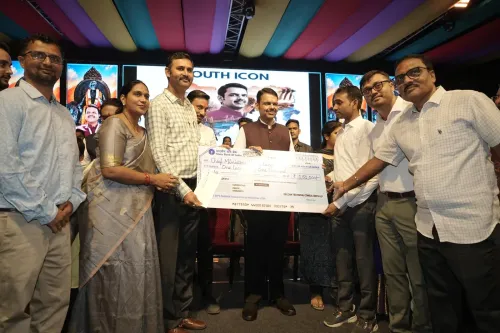
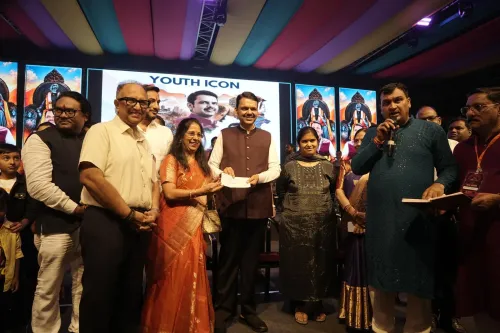
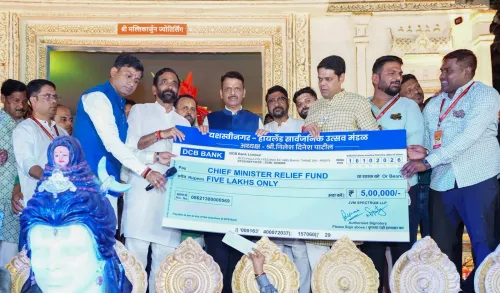
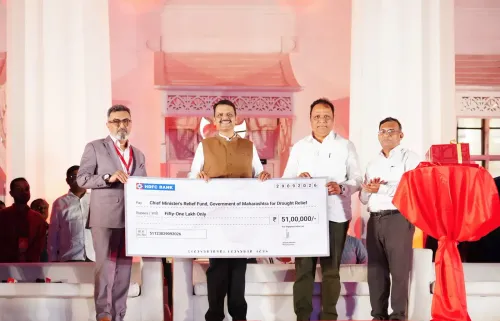
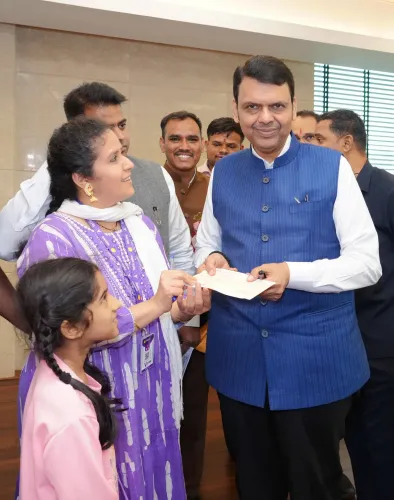
A private citizen stepped forward for Maharashtra's drought-battered farming communities on Tuesday, 20 October 2026, when Hiren Patel handed a cheque of ₹5,00,000 to Chief Minister Devendra Fadnavis in Mumbai for the Chief Minister's Relief Fund, designated specifically for drought-affected farmers. Chief Minister Fadnavis personally thanked Patel for the contribution.
What the Chief Minister's Relief Fund does
The Chief Minister's Relief Fund (CMRF) is Maharashtra's primary mechanism for pooling private, corporate, and individual donations to supplement state budgetary resources during natural calamities. In drought years — and Maharashtra sees recurring agricultural crises across the Marathwada and Vidarbha belts — the fund acts as a rapid-disbursement channel for farmer compensation, bridging the gap between declared relief packages and actual payouts at the district level.
Contributions to such funds are individually acknowledged by state leadership, a practice that also serves as a public signal to encourage further giving. Chief Minister Fadnavis, who has navigated multiple cycles of agricultural distress during his tenures, thanked Patel at the handover in keeping with that tradition.
Private donations and Maharashtra's drought distress cycle
Maharashtra's dependence on private goodwill for disaster relief is not incidental — it is structural. State governments across India routinely appeal for CMRF contributions during drought declarations because the fund can be deployed faster than revised budget allocations. For farmers in regions where a failed monsoon means both a lost harvest and mounting debt, every tranche of relief matters, whether it comes from a state exchequer or a private cheque.
Hiren Patel's ₹5 lakh donation, while a single contribution, slots into this broader pattern of public-private coordination on agricultural distress — a pattern that Maharashtra's administration has actively maintained.
With the fund continuing to accept contributions, the state's next benchmark will be total collections reported against assessed farmer relief needs in the affected districts.
Point of View
But it signals something worth tracking: Maharashtra's state machinery continues to rely on voluntary contributions to fill the fiscal gap in drought relief, a structural dependency that has persisted across successive governments. Chief Minister Fadnavis's personal acknowledgment of each such donation is deliberate — it keeps the public-giving pipeline warm ahead of any formal drought declaration or enhanced relief package. The gesture also frames the government's distress-response posture as collaborative rather than purely bureaucratic, which is politically useful in farm-belt constituencies ahead of any electoral cycle.
NationPress
20 Oct 2026
Frequently Asked Questions
What is the Chief Minister's Relief Fund in Maharashtra?
The Chief Minister's Relief Fund (CMRF) is a Maharashtra government mechanism that accepts donations from individuals, corporations, and organisations to provide swift financial assistance to people affected by natural calamities such as droughts, floods, and cyclones, supplementing the state's budgeted relief expenditure.
Who is Hiren Patel and why did he donate to the CMRF?
Hiren Patel is a private donor who presented a cheque of ₹5,00,000 to Chief Minister Devendra Fadnavis in Mumbai on 20 October 2026, directing the contribution toward relief for drought-affected farmers in Maharashtra.
Which parts of Maharashtra face the most severe droughts?
The Marathwada and Vidarbha regions of Maharashtra experience the most recurrent and severe agricultural droughts, leaving farming communities there particularly vulnerable to crop failures and debt distress.
How does the Chief Minister's Relief Fund money reach farmers?
Funds collected in the CMRF are used by the state government to supplement drought-relief and compensation disbursements at the district level, helping bridge the gap between declared relief packages and actual payments to affected farmers.
Can individuals donate to the Maharashtra Chief Minister's Relief Fund?
Yes, any individual, company, or organisation can donate to the Maharashtra Chief Minister's Relief Fund; such contributions are formally acknowledged by the state government and are eligible for tax benefits under applicable Indian tax laws.