US State Dept report: Cuba aided China, Russia, Iran anti-US network
Synopsis
A 70-page US State Department report accuses Cuba of spending six decades building an unconventional anti-American architecture — infiltrating the Pentagon and NSC, training guerrillas, sheltering fugitives, and now serving as an intelligence hub where China and Russia have reportedly tripled their agents in just three years. The report names five US organisations as part of a Cuba-aligned domestic network, a move likely to trigger fresh Congressional scrutiny and possible sanctions.
Key Takeaways
The US State Department released a 70-page report on 20 July alleging Cuba has acted as a force multiplier for China , Russia and Iran .
The report, titled 'Cuba: The Capital of 21st Century Communism' , alleges Cuban agents infiltrated the State Department , National Security Council and Pentagon for decades.
China and Russia have reportedly tripled their intelligence agents on Cuban soil over the past three years , according to the report.
Five US organisations — including Code Pink , The People's Forum and the National Lawyers Guild — are identified as part of an alleged Cuba-aligned domestic network.
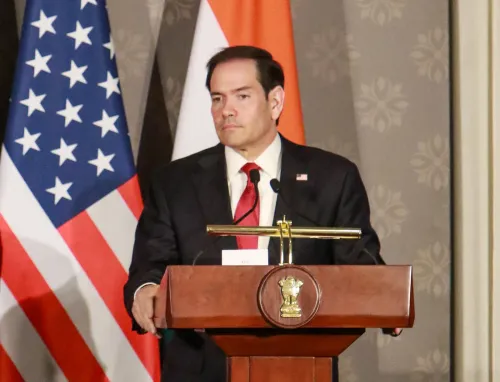
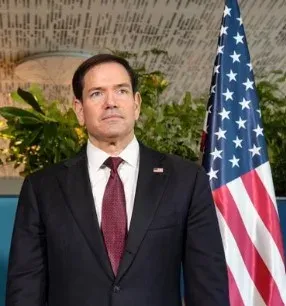
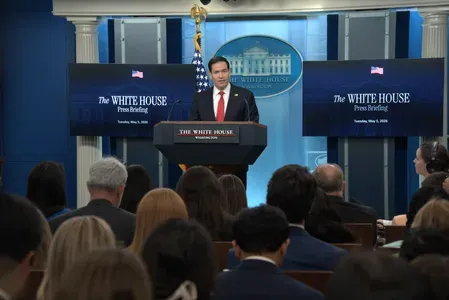
Secretary of State Marco Rubio said the report exposes 'the full history of Cuban espionage and subversion' in the United States.
Cuba and the named organisations have not responded publicly; the State Department document does not include their replies.
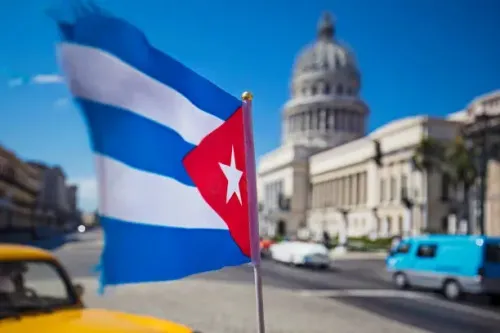
The US State Department on Monday, 20 July alleged that Cuba has functioned as a force multiplier for China, Russia, Iran and other adversaries of Washington, while simultaneously maintaining active influence networks inside the United States. The charges are laid out in a 70-page report titled 'Cuba: The Capital of 21st Century Communism', which the department describes as the most comprehensive public accounting of Havana's alleged espionage and subversion campaign against America.
What the Report Alleges
According to the State Department, Cuba developed what the report calls an 'unconventional model of conflict' — one built on espionage, infiltration, sabotage and proxy networks — precisely because Havana lacked the military capacity to confront the United States through conventional means. The report claims Cuban agents penetrated senior levels of the State Department, the National Security Council and the Pentagon, operating undetected for decades.
The document further alleges that Cuba trained and armed tens of thousands of left-wing guerrillas, oversaw violent insurgencies in foreign countries, backed extremist attacks on US soil, and provided sanctuary to American fugitives sought for bombings, armed robberies and murders.
Domestic Influence Networks Named
The report extends its allegations beyond traditional espionage to what it describes as a long-running domestic influence operation. Beginning in the 1960s, Cuba allegedly recruited activists, intellectuals and political groups, reportedly shaping movements including the Black Panthers and the Weather Underground, and — according to the department — more recently influencing Antifa.
The State Department identifies five organisations as part of what it terms a Cuba-aligned network inside the United States: the Cuban Institute of Friendship with Peoples (ICAP), the National Network on Cuba (NNoC), the National Lawyers Guild, The People's Forum, and Code Pink. Notably, the material released does not include responses from Cuba or any of the named organisations.
Cuba as a Hub for Adversary Intelligence
On the international dimension, the report alleges that China and Russia have reportedly tripled the number of their intelligence agents stationed on the island over the past three years. Washington claims Havana provides these actors with access to influence and intelligence networks inside the United States, and facilitates contacts with American groups on behalf of Iran, Russia and other governments.
The department further alleges that Cuban networks have helped these governments project influence across the Western Hemisphere more broadly — framing the island as a strategic node in a wider anti-American architecture.
What Secretary Rubio Said
Secretary of State Marco Rubio framed the report as a public accountability exercise. 'For more than six decades, the Cuban regime has been the leading sponsor of radical leftism and Third Worldism in the United States. The State Department is exposing the full history of Cuban espionage and subversion in our country. The American people deserve to know,' Rubio said.
Context and What Comes Next
The report arrives against a backdrop of sustained deterioration in US-Cuba relations, with Washington having maintained a trade embargo against Havana for over six decades. Critics of such reports have historically argued that they tend to conflate legitimate political activism with state-sponsored subversion, though the State Department has not addressed that concern in the current document.
Cuba has not yet issued a formal public response to the report's allegations. The release is expected to intensify Congressional scrutiny of organisations named within it, and could inform fresh sanctions designations in the months ahead.
Point of View
By the department's own admission, including any response from those groups. That omission undermines the document's evidentiary credibility even as it maximises its political impact. The tripling of Chinese and Russian intelligence agents on the island — if verified independently — is the single most operationally significant claim and deserves scrutiny separate from the broader ideological framing.
NationPress
20 Oct 2026
Frequently Asked Questions
What does the US State Department's Cuba report allege?
The report alleges that Cuba has spent over six decades acting as a force multiplier for China, Russia, Iran and other US adversaries, running espionage, infiltration and influence operations inside the United States. It claims Cuban agents penetrated the State Department, the National Security Council and the Pentagon, and that Havana trained guerrillas and sheltered American fugitives.
Which US organisations are named in the Cuba espionage report?
The State Department identifies five organisations as part of an alleged Cuba-aligned network: the Cuban Institute of Friendship with Peoples (ICAP), the National Network on Cuba (NNoC), the National Lawyers Guild, The People's Forum, and Code Pink. The report does not include responses from any of these organisations.
What role does Cuba allegedly play for China and Russia?
According to the report, China and Russia have reportedly tripled the number of their intelligence agents on Cuban soil over the past three years. The department alleges Cuba provides these countries with access to influence and intelligence networks inside the United States and facilitates contacts with American groups on their behalf.
What did Secretary of State Marco Rubio say about the report?
Secretary Rubio said the report exposes 'the full history of Cuban espionage and subversion' in the United States, describing Cuba as 'the leading sponsor of radical leftism and Third Worldism' in America for more than six decades. He framed the release as a matter of public accountability.
Has Cuba responded to the State Department report?
As of the report's release, Cuba had not issued a formal public response. The State Department document itself does not contain replies from Cuba or from any of the named US organisations, an omission that critics are likely to highlight.