US sanctions 3 Cuban officials, 9 entities over espionage and repression
Synopsis
Washington has cast its widest net yet against Havana's state apparatus — sanctioning not just intelligence-linked officials but construction, mining, metals, and trade firms. The designation of ACOREC, which allegedly skims over 90 per cent of wages earned by Cuban workers abroad, puts a labour-exploitation angle at the centre of this latest US pressure campaign against the Castro-era regime.
Key Takeaways
The United States sanctioned 3 Cuban officials and 9 entities on 21 August , including Cuba's Ministry of Construction .
ICAP President Fernando Gonzalez Llort — one of the 'Cuban Five' who served 15 years in a US prison — is among those designated.
ACOREC S.A. reportedly withheld more than 90 per cent of wages paid to Cuban workers by foreign employers.
Four metals and mining firms, including Empresa de Niquel Comandante Ernesto Che Guevara , are among the nine designated entities.
All designated property held in the US or controlled by US persons must be blocked and reported to OFAC .
Secretary of State Marco Rubio accused Cuba of running a 'vast subversive network' inside the United States under the guise of cultural exchanges.
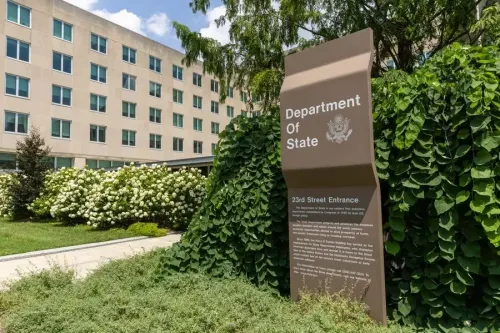
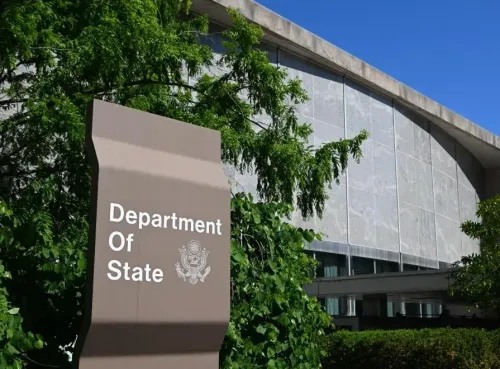
The United States on 21 August imposed sanctions on three Cuban officials and nine entities — including Cuba's Ministry of Construction — accusing them of bolstering Havana's repressive apparatus and conducting activities that threaten US national security. The measures, announced by the State Department, target leadership of the Cuban Institute of Friendship with the Peoples (ICAP) along with state-controlled firms in construction, metals, mining, and international trade.
Key Targets and Designations
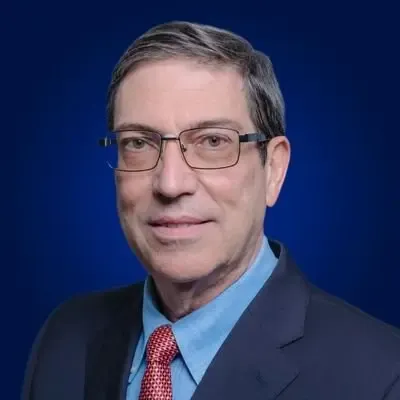
The three Cuban officials sanctioned are ICAP President Fernando Gonzalez Llort, First Vice-President Noemi Ramona Rabaza Fernandez, and North America Director Leima Martinez Freire. Gonzalez Llort was one of the so-called 'Cuban Five' — a group of Cuban intelligence officers arrested in the United States in 1998. He served 15 years in a US prison before being released to Cuba in 2014, according to the State Department.
The State Department had previously designated ICAP as a political subdivision, agency, or instrumentality of the Cuban government. Three ICAP-linked facilities — the Campamento Internacional Julio Antonio Mella, Casa Memorial Salvador Allende, and Casa de la Amistad — have been identified as alternative ICAP addresses and will be treated as sanctioned property.
What Secretary Rubio Said
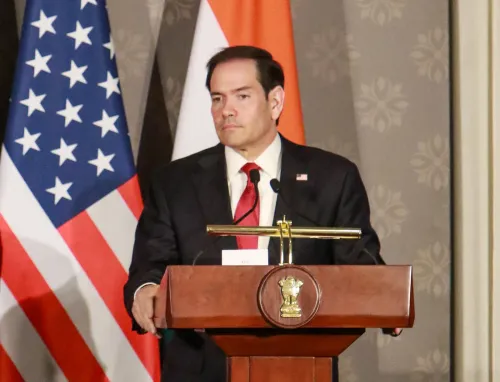
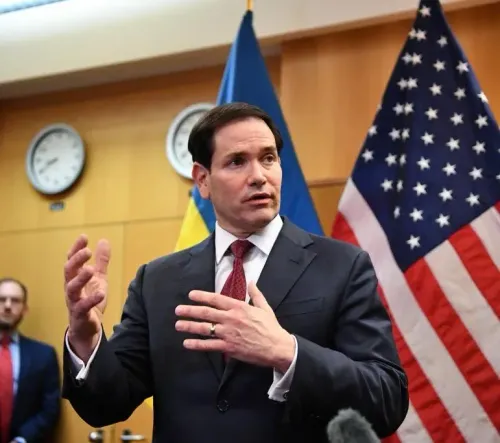
Secretary of State Marco Rubio accused ICAP of forming part of a Cuban network operating inside the United States under the cover of educational and cultural exchanges. 'The Cuban regime has long sponsored a vast subversive network in the United States aimed at identifying, cultivating, and radicalizing subversives, largely operating under the pretext of educational or cultural exchange,' Rubio said in a statement.
Rubio further alleged that Gonzalez Llort continued efforts to destabilise the United States through his work with ICAP after returning to Cuba. He also noted that Cuba recently used events marking the 100th anniversary of Fidel Castro's birth to bring international sympathisers to Havana for contacts with government officials.
'The Trump Administration will not stand by while a hostile foreign power seeks to exploit our freedoms — none of which are afforded to its people — by misleading and corrupting American citizens with lies, spy tradecraft, and other malfeasance as part of the regime's raison d'être of exporting Marxism, racial resentment, and Communist violence across the world,' Rubio said.
Nine Entities in the Crosshairs
The nine designated entities span several sectors of the Cuban state economy. Four are linked to metals and mining: Empresa de Niquel Comandante Ernesto Che Guevara (which extracts and processes nickel and cobalt), Metalcuba, Grupo Empresarial Geominero Salinero, and Acinox Comercial.
ACOREC S.A., which supplies Cuban workers to foreign entities operating in the country, is also designated. The State Department noted that the company had reportedly taken more than 90 per cent of wages paid by foreign entities for Cuban labour — a practice critics have likened to state-sanctioned labour exploitation.
Three further companies — Coratur S.A., Transimport, and Consumimport — were designated for their links to the already-blocked Grupo Empresarial del Comercio Exterior. These firms handle international trade and imports ranging from heavy vehicles and industrial equipment to appliances and construction materials.
How the Sanctions Work
Under the measures, all property and interests in property belonging to designated individuals and entities that are held in the United States or controlled by US persons must be blocked and reported to the Treasury Department's Office of Foreign Assets Control (OFAC). Entities owned at least 50 per cent by blocked persons are also subject to restrictions.
This latest action represents a significant broadening of Washington's economic pressure on Havana, extending beyond traditional political targets into the construction and natural resources sectors. How Cuba responds — and whether allied nations adjust their economic ties with the island — will be closely watched in the weeks ahead.
Point of View
Nickel mining, and labour-supply firms signals Washington's intent to squeeze the Cuban state economy broadly, not just its intelligence arms. The designation of ACOREC over alleged wage skimming is a shrewd framing move: it repackages a geopolitical pressure campaign as a labour-rights intervention, harder for international critics to dismiss. Yet the effectiveness of US Cuba sanctions has historically been limited; Havana has shown a durable capacity to route trade through third-country intermediaries. The real question is whether allies in Europe and Latin America — many of whom maintain commercial ties with the very entities now blacklisted — will adjust their exposure or quietly hold course.
NationPress
5 Oct 2026
Frequently Asked Questions
Why has the US sanctioned Cuban officials and entities in August 2025?
The US sanctioned three Cuban officials and nine entities on 21 August, accusing them of supporting Cuba's repressive apparatus and conducting activities that threaten US national security. Secretary of State Marco Rubio specifically alleged that ICAP operated a subversive network inside the United States under the cover of educational and cultural exchanges.
Who is Fernando Gonzalez Llort and why is he sanctioned?
Fernando Gonzalez Llort is the President of ICAP and was one of the 'Cuban Five' — Cuban intelligence officers arrested in the United States in 1998. He served 15 years in a US prison before being released to Cuba in 2014, and is now accused by the State Department of continuing efforts to destabilise the United States through his work with ICAP.
Which Cuban companies have been sanctioned by the US?
The nine designated entities include Cuba's Ministry of Construction, four metals and mining firms (Empresa de Niquel Comandante Ernesto Che Guevara, Metalcuba, Grupo Empresarial Geominero Salinero, and Acinox Comercial), labour-supply firm ACOREC S.A., and three international trade companies — Coratur S.A., Transimport, and Consumimport.
What does the ACOREC sanction mean for Cuban workers?
ACOREC S.A. supplies Cuban workers to foreign entities operating in Cuba. The State Department reported that the company had allegedly taken more than 90 per cent of wages paid by those foreign entities for Cuban labour. Its designation means any of its property or interests held in the US or controlled by US persons must be frozen and reported to OFAC.
How do these US sanctions on Cuba actually work?
Under the sanctions, all property and interests belonging to designated individuals and entities that are held in the United States or controlled by US persons must be blocked and reported to the Treasury Department's Office of Foreign Assets Control (OFAC). Any entity owned at least 50 per cent by a blocked person is also subject to the same restrictions.