US sanctions 11 Cuban officials and 3 agencies under Trump's Cuba crackdown
Synopsis
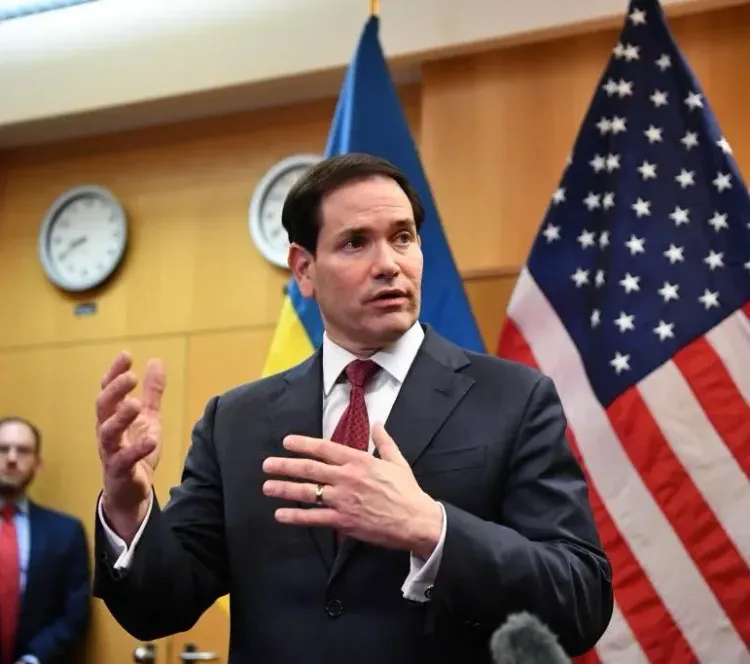
The Trump administration has sanctioned 11 Cuban officials and three state agencies — including the feared Ministry of Interior and intelligence directorate — under a May 2026 executive order. Secretary of State Marco Rubio has signalled more designations are coming, making this the most sweeping US pressure campaign on Havana in years.
Key Takeaways
The Trump administration sanctioned 11 Cuban officials and 3 government organisations on 19 May 2026 .
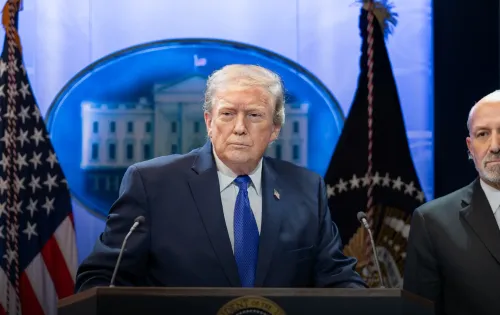
Measures were imposed under Executive Order 14404 , signed by President Donald Trump on 1 May 2026 .
Sanctioned bodies include Cuba's Ministry of Interior (MININT) , the Policia Nacional Revolucionaria (PNR) , and the Directorate of Intelligence of Cuba (DGI) .
All US-jurisdiction assets of designated individuals and entities are blocked; OFAC authorisation required for any transactions.
Foreign financial institutions dealing with sanctioned parties also face potential penalties under the order.
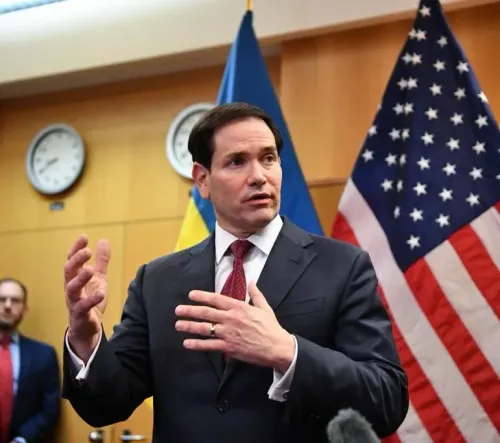
Secretary Rubio warned that 'additional sanctions actions can be expected in the following days and weeks.'
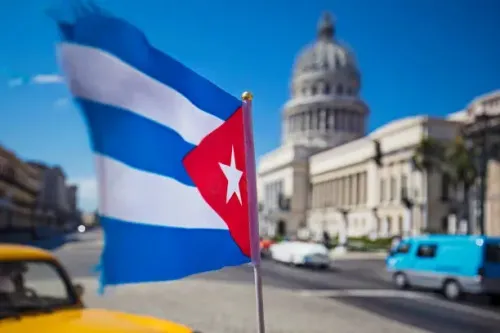
The Trump administration on 19 May 2026 imposed fresh sanctions on 11 Cuban officials and three government organisations, intensifying pressure on Havana over what Secretary of State Marco Rubio described as repression, security threats, and Cuba's support for foreign intelligence and military operations.
What the Sanctions Cover
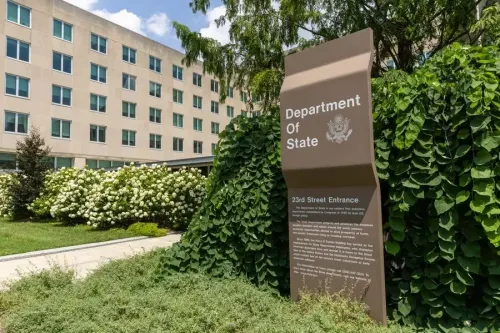
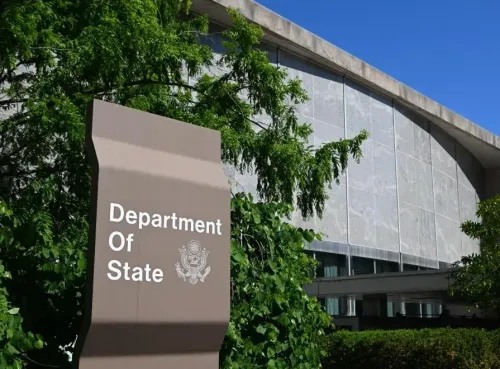
The measures were announced under Executive Order 14404, signed by President Donald Trump on 1 May 2026, targeting individuals and entities 'responsible for repression in Cuba and for threats to United States national security and foreign policy.' The State Department described the move as part of a 'comprehensive campaign to address the pressing national security threats posed by Cuba's communist regime.'
Among the organisations sanctioned are Cuba's Ministry of Interior (MININT), the Policia Nacional Revolucionaria (PNR), and the Directorate of Intelligence of Cuba (DGI). The State Department accused the PNR of operating 'mobile prisons and violent suppression of protests.'
Officials Named in the Designations
The sanctions list includes senior Cuban officials and military figures: Eddy Manuel Sierra Arias, Oscar Alejandro Callejas Valcarce, Rosabel Gamon Verde, Joaquin Quintas Sola, Juan Esteban Lazo Hernandez, Vicente de la O Levy, and Mayra Arevich Marin. Also designated were Jose Miguel Gomez del Vallin, Raul Villar Kessell, Roberto Tomas Morales Ojeda, and Eugenio Armando Rabilero Aguilera.
Rubio said the designated actors 'bear responsibility for the suffering of the Cuban people, the failing Cuban economy, and the exploitation of Cuba for foreign intelligence, military, and terror operations.'
Financial and Legal Consequences
Under the sanctions, all property and interests linked to the designated individuals and entities within US jurisdiction will be blocked. US persons are barred from conducting transactions with those sanctioned unless specifically authorised by the Treasury Department's Office of Foreign Assets Control (OFAC).
Notably, the State Department also warned foreign entities: 'Non-US persons, including foreign financial institutions, should proceed with caution in any dealings with a party sanctioned under this authority.' This signals that secondary-sanctions risk now extends beyond American borders.
Broader Policy Context
The latest designations advance two additional directives — Executive Order 14380 and National Security Presidential Memorandum 5 — which direct the executive branch to 'improve human rights, encourage the rule of law, foster free markets and free enterprise, and promote democracy in Cuba.' This is the latest in a series of escalatory steps under the Trump administration's hardline Cuba policy, which has drawn sharp criticism from Havana and some Latin American governments.
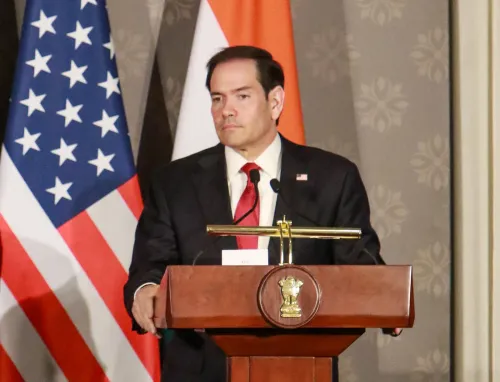
Rubio indicated that further pressure is forthcoming, stating that 'additional sanctions actions can be expected in the following days and weeks,' suggesting the current round is not the ceiling of Washington's response.
Point of View
The national police, and the intelligence directorate simultaneously — signals that Washington is targeting Cuba's entire coercive architecture, not just symbolic figures. What is less clear is whether sanctions alone can shift Havana's calculus; decades of US embargo have not produced the political opening Washington seeks. The secondary-sanctions warning to foreign financial institutions is the sharpest tool here: it puts European and Latin American banks on notice in a way that bilateral US-Cuba restrictions historically have not. Whether trading partners comply or push back will determine how much economic bite these measures actually carry.
NationPress
16 Oct 2026
Frequently Asked Questions
Why did the US sanction Cuban officials on 19 May 2026?
The Trump administration sanctioned 11 Cuban officials and three government organisations for alleged repression of Cuban citizens, threats to US national security, and support for foreign intelligence and military operations. Secretary of State Marco Rubio said the move was intended to 'deprive Cuba's communist regime and military of access to illicit assets.'
Which Cuban organisations were sanctioned?
The three sanctioned organisations are Cuba's Ministry of Interior (MININT), the Policia Nacional Revolucionaria (PNR), and the Directorate of Intelligence of Cuba (DGI). The State Department specifically accused the PNR of operating mobile prisons and violently suppressing protests.
What is Executive Order 14404 and when was it signed?
Executive Order 14404 was signed by President Donald Trump on 1 May 2026. It authorises sanctions against individuals and entities responsible for repression in Cuba and for threats to US national security and foreign policy.
What are the financial consequences of the sanctions?
All property and interests of designated individuals and entities under US jurisdiction are blocked. US persons are prohibited from transacting with those sanctioned without specific authorisation from the Treasury Department's Office of Foreign Assets Control (OFAC). Foreign financial institutions dealing with sanctioned parties also risk penalties.
Will the US impose more sanctions on Cuba?
Secretary of State Marco Rubio stated that 'additional sanctions actions can be expected in the following days and weeks,' indicating the current round is part of a broader, ongoing campaign rather than a one-time measure.