US renews call to free Cuba political prisoners on July 11 protest anniversary
Synopsis
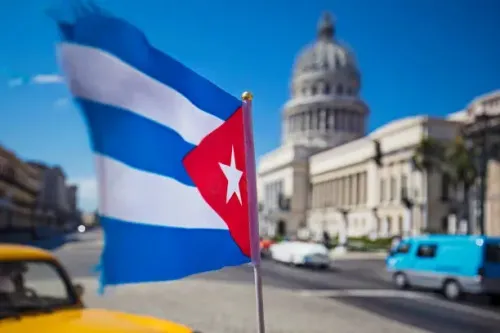
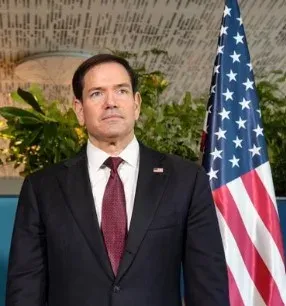
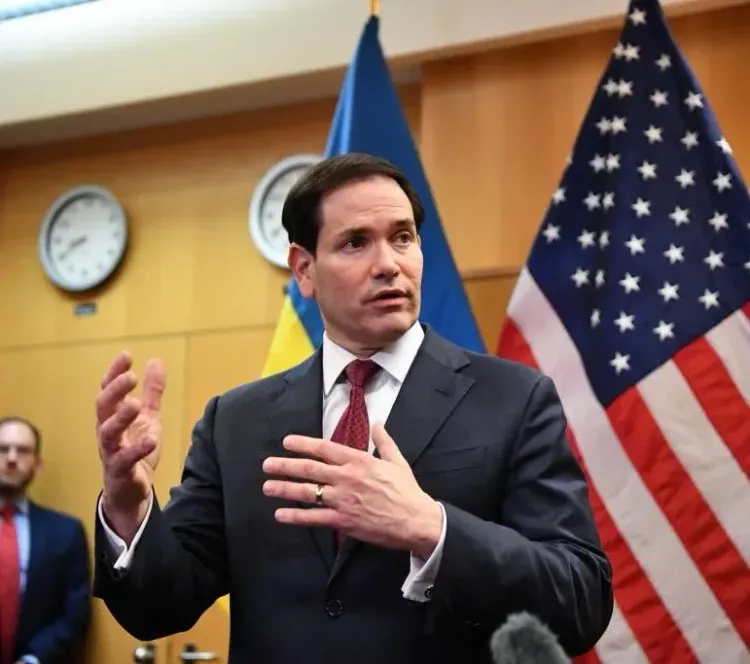
Five years after the historic 11 July 2021 protests shook Cuba, Secretary of State Marco Rubio is warning Havana that time is running out — renewing demands for political prisoner releases while framing Cuba as a live national security threat less than 100 miles from US soil. The Trump administration’s dual-track pressure — humanitarian offers paired with security warnings — signals an escalating standoff with no resolution in sight.
Key Takeaways
Secretary of State Marco Rubio on 12 July 2025 renewed the US call for the immediate release of all political prisoners in Cuba .
The statement marked the fifth anniversary of the 11 July 2021 anti-government protests in Cuba, during which thousands were arrested.
Rubio said hundreds of those arrested in 2021 remain imprisoned to this day.
The Trump administration said it has offered Cuba humanitarian aid, reconstruction assistance, and food and medicine, conditional on political and economic reforms.
Rubio accused Havana of hosting hostile foreign military and intelligence operations “less than 100 miles” from US territory, calling it a “serious national security threat.” Cuba’s government has not publicly indicated any willingness to undertake the reforms demanded by Washington .
Secretary of State Marco Rubio on 12 July 2025 renewed the United States' demand for the immediate release of all political prisoners in Cuba, marking the fifth anniversary of the 11 July 2021 anti-government protests that swept the island. Rubio said hundreds of Cubans arrested during those demonstrations remain unjustly imprisoned, and that the Cuban people still deserve a better future after decades of repression and economic hardship under the Communist government.
What Rubio Said
In a formal statement, Rubio recalled that thousands of Cubans had taken to the streets five years ago demanding change. “Five years ago, thousands of Cubans took to the streets to demand a better future for themselves and their families, seeking change after decades of repression and economic incompetence by the Communist regime,” he said.
He charged that the government responded with force. “True to form, the regime responded with brutality, beating peaceful demonstrators in the streets and arresting thousands of everyday Cubans,” Rubio said. He added: “To this day, hundreds of Cubans remain unjustly detained for the simple sin of asking for basic rights, opportunities, and dignity. We reiterate our call for the immediate release of these, and all, political prisoners in Cuba.”
Cuba’s Economic Crisis and US Pressure
Rubio painted a stark picture of conditions on the island, saying that after “decades of repression and gross mismanagement,” Cuba’s economy was “in freefall,” leaving its citizens to endure “blackouts, hunger, and deprivation.” He said the Trump administration had offered Havana humanitarian assistance, reconstruction aid, food, medicine, and other essential goods, along with “the promise of a new relationship” contingent on political and economic reforms.
“In this Administration, we have offered Cuba aid, assistance with reconstruction, and the promise of a new relationship between our two countries, if the regime will only agree to make political and economic reforms to allow the country a chance at prosperity,” Rubio said. He accused Cuba’s leadership of rejecting reform in favour of preserving its grip on power, alleging that its “corrupt elites” continued to move the country’s remaining resources overseas and blame others for the island’s problems.
National Security Dimension
Rubio escalated the rhetoric beyond human rights, accusing the Cuban government of aligning itself with “America’s enemies” and calling it “a serious national security threat.” He alleged that Havana was “hosting hostile foreign military, intelligence, terror, and operations less than 100 miles from our homeland and supporting dangerous subversive and terror networks in the United States itself.”
This framing reflects a broader shift in Washington’s approach to Cuba under the current administration — treating the island not merely as a human rights concern but as a direct security challenge. Notably, this is the fifth consecutive year in which the anniversary of the 11 July 2021 protests has been used by US officials to amplify pressure on Havana.
What Washington Says Comes Next
Rubio said the United States would continue deploying “every tool at our disposal” to address both the security threats posed by the Cuban government and to push for political and economic reforms. “Cuba’s leaders must simply choose to commit themselves to real reforms, peace and prosperity — before it is too late,” he said.
With Havana showing no public sign of conceding to Washington’s demands, the standoff between the two nations appears set to deepen as the Trump administration continues to tighten economic and diplomatic pressure on the Communist government.
Point of View
Framing Cuba as an active threat rather than a failed state to be pitied. That framing has domestic political utility but also raises the stakes: if Cuba is a security threat, the policy response demanded is harder than sanctions. Yet after five years of anniversary statements, hundreds of prisoners remain jailed and Havana has not blinked. The Trump administration’s offer of aid-for-reform has also not moved the needle, suggesting that either the incentive package is insufficient or the Cuban leadership calculates that reform risks its own survival more than US pressure does. The real question mainstream coverage is not asking: what is the off-ramp, and does Washington have one?
NationPress
10 Oct 2026
Frequently Asked Questions
Why is the US calling for the release of Cuban political prisoners now?
The US renewed its call on 12 July 2025 to mark the fifth anniversary of the 11 July 2021 anti-government protests in Cuba, during which thousands were arrested. Secretary of State Marco Rubio said hundreds of those detained remain imprisoned and reiterated the demand for their immediate release.
Who are the Cuban political prisoners the US is referring to?
They are Cubans arrested during or after the mass protests of 11 July 2021, when thousands took to the streets across the island demanding political and economic change. According to Rubio, hundreds remain detained as of July 2025 for what he described as ‘asking for basic rights, opportunities, and dignity.’
What has the Trump administration offered Cuba in exchange for reforms?
The Trump administration says it has offered Cuba humanitarian assistance, reconstruction aid, and exports of food, medicine, and other essential goods, along with the prospect of a new bilateral relationship — all contingent on the Cuban government agreeing to political and economic reforms.
Why does the US consider Cuba a national security threat?
Secretary of State Rubio accused the Cuban government of hosting hostile foreign military, intelligence, and terror operations less than 100 miles from US territory, and of supporting what he called subversive and terror networks inside the United States. He described this as a serious national security threat.
What is the current state of US-Cuba relations?
Relations remain deeply adversarial. The Trump administration has maintained and intensified economic pressure on Havana while making conditional offers of aid and a new bilateral relationship. Cuba’s government has publicly rejected meaningful reforms, and hundreds of political prisoners from the 2021 protests remain jailed, with no resolution in sight.