Cuba rejects Rubio's claim on US oil blockade, cites Trump executive order
Synopsis
Cuba has received just one oil shipment all year against a monthly need of eight — and Havana says Washington's own executive order is the reason why. Foreign Minister Bruno Rodriguez publicly dismantled Secretary of State Marco Rubio's Senate testimony point by point, citing Executive Order 14380 as proof that US policy is, in effect, an oil blockade by another name.
Key Takeaways
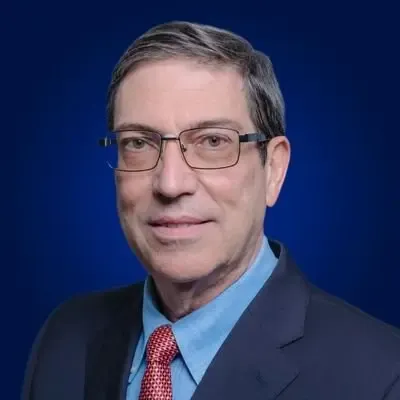
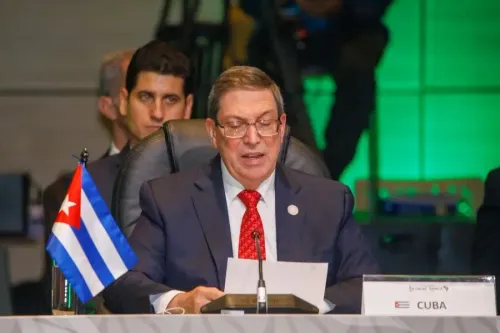
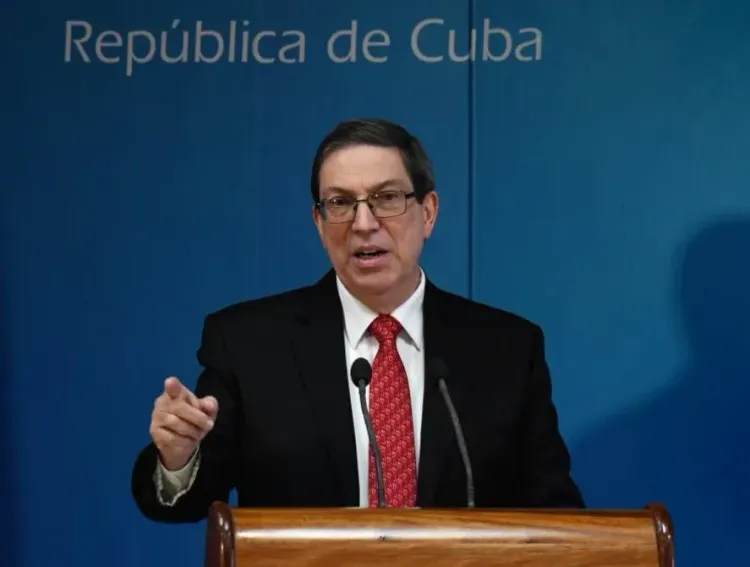
Cuban Foreign Minister Bruno Rodriguez rejected US Secretary of State Marco Rubio 's claim that Washington does not block oil shipments to Cuba .
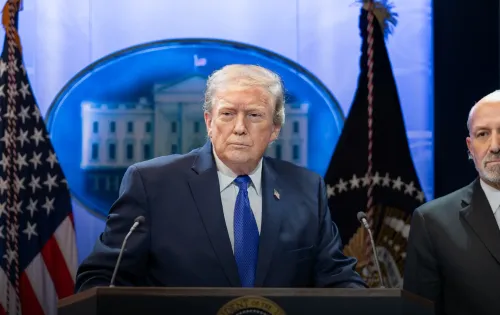
Rodriguez cited Executive Order 14380 , signed by President Trump on 29 January , which threatens tariffs on countries that supply oil to Cuba .
Cuba requires approximately eight fuel shipments a month but has received only one crude oil shipment — roughly 100,000 tonnes — so far in 2025.
Rodriguez also rejected Cuba 's inclusion on the US list of alleged state sponsors of terrorism, calling the designation politically motivated and evidence-free.
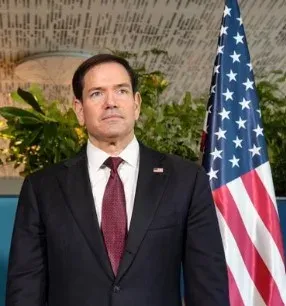
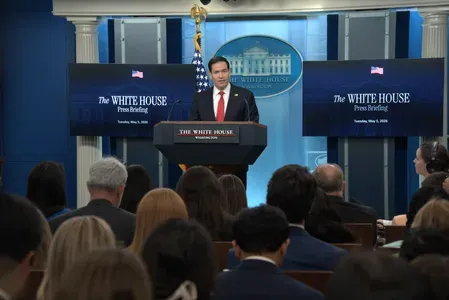
Rubio made the contested remarks during a US Senate committee hearing on Tuesday while defending the Trump administration's Cuba policy.
Cuban Foreign Minister Bruno Rodriguez on Friday publicly rebutted US Secretary of State Marco Rubio's assertion that Washington does not obstruct oil shipments to Cuba, pointing directly to Executive Order 14380 — signed by US President Donald Trump on 29 January — which authorises punitive tariffs on imports from any country that supplies oil to the island. The sharp diplomatic exchange underscores the deepening energy and political crisis gripping Havana.
Rodriguez's Rebuttal on X
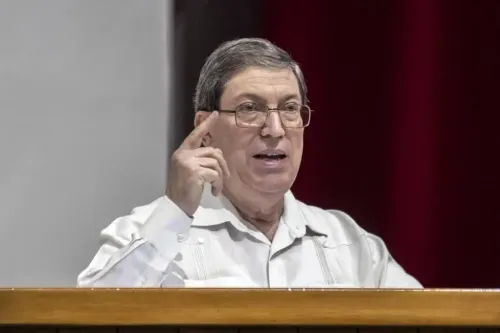
Rodriguez posted his challenge on social media platform X, noting that Rubio had repeatedly claimed before a US Senate committee on Tuesday that the US government does not block oil shipments to Cuba. The foreign minister countered that Executive Order 14380 effectively threatens any third country with commercial retaliation in the US market if it trades oil with Cuba.
'Is that not blocking the entry of oil into Cuba?' Rodriguez wrote, characterising the measure as economic coercion directed not just at Cuba but at sovereign nations that choose to trade with it.
Cuba's Acute Fuel Shortage
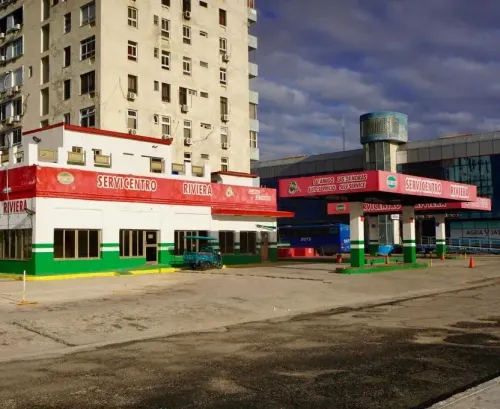
The stakes of this dispute are immediate and severe. According to official figures, Cuba requires approximately eight fuel shipments a month to operate normally. So far in 2025, the island has received only one crude oil shipment — the Russian tanker Anatoly Kolodkin, carrying roughly 100,000 tonnes of oil. The gap between supply and need reflects the chilling effect that the threat of US tariffs has had on potential suppliers.
Terror Designation Row
The oil dispute is one front in a broader confrontation. On Wednesday, Cuba also rejected terrorism accusations Rubio made during the same Senate hearing, where he defended the Trump administration's decision to keep Cuba on the US list of alleged state sponsors of terrorism. Rodriguez argued the designation rests on political criteria rather than evidence.
'The designation is so arbitrary and devoid of moral sense that the US Secretary of State himself lacks arguments before that country's Congress to justify the imposition of this criminal measure,' Rodriguez said. He further alleged that Rubio's remarks revealed Washington's intent to 'strangle the Cuban economy by every possible means, provoke a humanitarian crisis, and promote military intervention in Cuba.' Rodriguez also expressed alarm that Congress 'allows the lie of a public servant to stand.'
Broader Context and What Comes Next
This comes amid a prolonged Cuban energy crisis that has triggered widespread blackouts and economic hardship. Executive Order 14380 is part of a broader tightening of US sanctions under the Trump administration's second term, which has also retained Cuba's terror-sponsor designation — a label that deters international banks and shippers from engaging with the island. Notably, the order's secondary-sanctions mechanism mirrors pressure tactics used against Iran and Venezuela, effectively extending Washington's reach beyond bilateral relations.
With only one oil delivery received this year against a monthly requirement of eight, analysts warn that Cuba's energy situation is likely to worsen further unless a consistent supply channel is established. Whether Havana can secure alternative suppliers willing to absorb US tariff risk remains the central question heading into the coming months.
Point of View
While Havana argues that secondary-sanctions threats on third-country suppliers achieve the same result by other means. Both claims can be simultaneously true, which is precisely what makes Executive Order 14380 so effective as a pressure tool — and so difficult to challenge in a rules-based forum. Cuba's energy arithmetic is stark: one delivery against a monthly need of eight is not a supply chain problem, it is a supply chain collapse. The deeper issue mainstream coverage underplays is that the order's secondary-sanctions logic sets a precedent that could be applied to any US-designated country, making it a template rather than a one-off. Rodriguez's pointed question — 'Is that not blocking the entry of oil into Cuba?' — deserves a direct answer that neither Washington nor its Senate questioners have yet provided.
NationPress
20 Oct 2026
Frequently Asked Questions
What is Executive Order 14380 and how does it affect Cuba's oil supply?
Executive Order 14380 was signed by President Donald Trump on 29 January and authorises punitive tariffs on imports from any country that directly or indirectly supplies oil to Cuba. According to Cuban Foreign Minister Bruno Rodriguez, this effectively deters third-country suppliers from trading oil with Cuba under threat of losing US market access.
Why did Cuba's foreign minister respond to Marco Rubio on X?
Bruno Rodriguez posted on X to directly counter Rubio's claim, made before a US Senate committee on Tuesday, that Washington does not block oil shipments to Cuba. Rodriguez cited Executive Order 14380 as evidence that US policy imposes economic coercion on any nation that supplies Cuba with oil.
How severe is Cuba's current fuel shortage?
Cuba officially requires about eight fuel shipments a month to function normally. As of the time of this report, the island has received only one crude oil shipment in 2025 — the Russian tanker Anatoly Kolodkin carrying approximately 100,000 tonnes — leaving a significant and growing supply deficit.
What is Cuba's position on the US terror-sponsor designation?
Cuba has rejected the designation, with Foreign Minister Rodriguez arguing it is based on political criteria rather than evidence. He said Rubio himself lacked credible arguments before Congress to justify maintaining the label, and described it as part of a broader effort to pressure the Cuban government.
What did Rodriguez say about Washington's broader intentions toward Cuba?
Rodriguez alleged that Rubio's remarks revealed Washington's aim to 'strangle the Cuban economy by every possible means, provoke a humanitarian crisis, and promote military intervention in Cuba.' He also expressed concern that Congress was allowing what he called a public servant's falsehood to go unchallenged.