Trump calls Cuba 'failing nation', hints at policy shift amid Iran talks
Synopsis
Trump's 'failing nation' label for Cuba is more than rhetoric — it landed the same day US prosecutors indicted Raul Castro and the Nimitz Carrier Strike Group sailed into the Caribbean. The President insists there will be no escalation, but the convergence of a federal indictment, a carrier deployment, and a teased embargo announcement suggests Washington is turning up pressure on Havana in a way not seen in years.
Key Takeaways
Donald Trump called Cuba a 'failing nation' on Wednesday and said a major policy announcement could come 'pretty soon.' US federal prosecutors indicted Cuban Revolution leader Raul Castro around the same time as Trump's remarks.
The Nimitz Carrier Strike Group has arrived in the Caribbean , according to the US Southern Command .
Trump said Cuban Americans supported him at a 94 per cent level and called the Cuba issue deeply personal for Florida families.
On Iran , Trump said talks are progressing with a more pragmatic negotiating team, but ruled out sanctions relief before a signed agreement.
Trump claimed 'not one ship' has passed through the US blockade in the Strait .
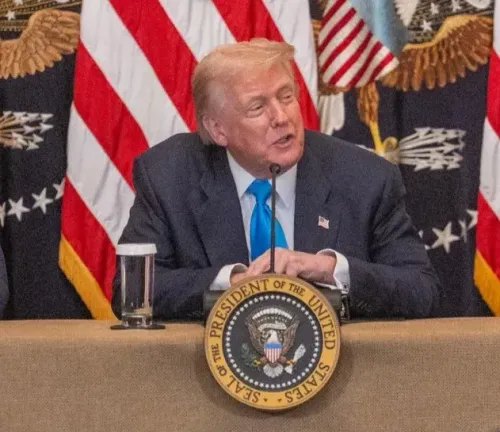
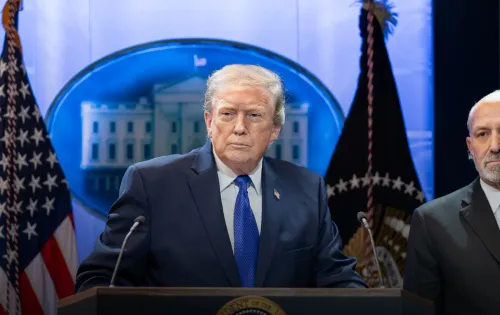
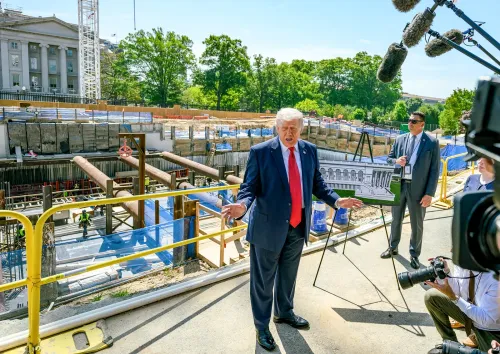
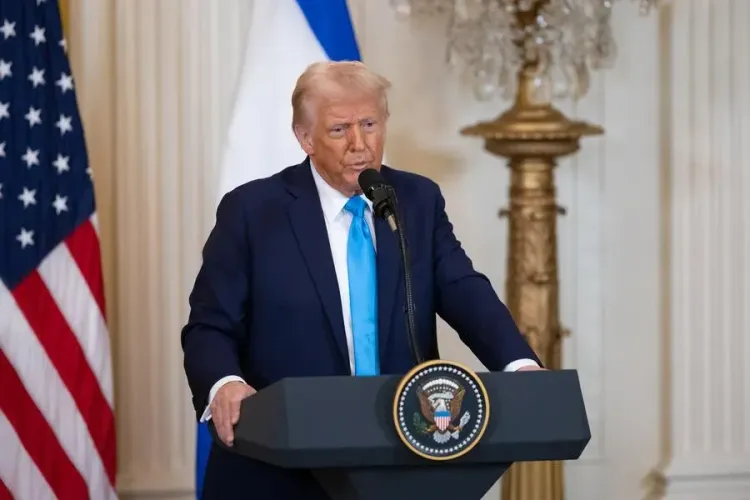
US President Donald Trump on Wednesday described Cuba as a 'failing nation' and hinted that a major policy announcement regarding the island could come soon, even as he insisted there would be no military escalation. The remarks, made during an extended interaction with reporters, came against a charged backdrop: US federal prosecutors had indicted Cuban Revolution leader Raul Castro, and the US Southern Command confirmed the Nimitz Carrier Strike Group — including an aircraft carrier, its carrier air wing, and at least one guided-missile destroyer — had arrived in the Caribbean.
Trump's Cuba Remarks
Trump said Cuban Americans had been 'looking for this moment for 65 years' and noted they had supported him 'at a 94 per cent level,' calling the issue deeply personal for families in Florida. He painted a bleak picture of conditions on the island: 'They have no food, they have no electricity, they have no energy at all. But they do have great people,' he said.
When asked how long the US embargo on Cuba — in place for more than six decades — would remain, Trump replied: 'We'll see. We'll be announcing it pretty soon.' He was unequivocal, however, that escalation was not on the table. 'There won't be escalation. I don't think there needs to be. Look, the place is falling apart. It's a mess,' he said.
Iran Negotiations and Diplomacy
Trump also addressed ongoing talks with Iran, describing the new Iranian negotiating team as more pragmatic than their predecessors. 'We're dealing with some people that are, I think, far more reasonable than the people that are really no longer with us,' he said. 'We're dealing with some people with talent, with good brain power.'
He expressed a clear preference for diplomacy, saying: 'What I like to do, if I can save war by waiting a couple of days, so I could save people being killed by waiting a couple of days. I think it's great.' Rejecting reports that Washington had offered sanctions relief to Tehran during the negotiations, Trump stated: 'I'm not doing any relief until they sign an agreement.'
Trump also defended recent military operations linked to Iran and claimed that US action in the Strait had halted oil shipments. 'Not one ship has gotten through the blockade,' he said.
Economy and Domestic Issues
Addressing concerns about job losses linked to artificial intelligence, Trump argued the US economy remained robust. 'Right now we have more jobs, more people working right now in the United States, by far, than we ever had before,' he said. He also defended a reported settlement involving the Internal Revenue Service and accused previous Democratic administrations of institutional 'weaponisation.' 'What they did in terms of weaponisation will never be allowed to happen in this country again,' Trump said.
The Broader Context
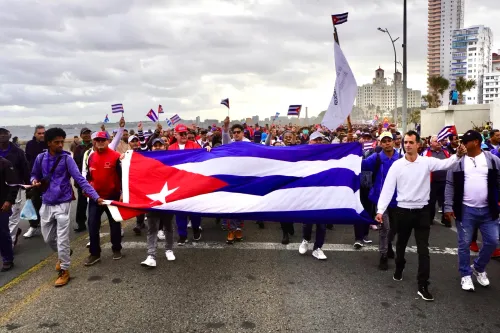
Trump's Cuba remarks arrive at a moment of heightened attention to US-Cuba relations within Republican politics, particularly in Florida, where Cuban American voters remain a major political force. The indictment of Raul Castro and the deployment of the Nimitz Carrier Strike Group to the Caribbean add a layer of strategic weight to what might otherwise be read as political signalling ahead of a domestic audience. This is not the first time the Trump administration has leveraged Cuba policy for electoral resonance in Florida, but the combination of a carrier group deployment and a federal indictment marks a notable escalation in pressure — even as the President publicly denies any intent to escalate.
Point of View
Taken together, constitute the most concentrated US pressure on Cuba in decades. The 'pretty soon' embargo teaser is a well-worn Florida political device, but this time it has military and legal architecture behind it. On Iran, the President's preference for diplomacy is real, but his flat refusal to offer any sanctions relief before a signed deal narrows the negotiating corridor considerably. The gap between Trump's conciliatory rhetoric and his maximalist preconditions is where these talks are most likely to stall.
NationPress
5 Oct 2026
Frequently Asked Questions
What did Trump say about Cuba policy?
Trump called Cuba a 'failing nation' and said a major policy announcement regarding the island was coming 'pretty soon,' without specifying what it would entail. He also insisted there would be no military escalation, saying the country was already 'falling apart.'
Why was Raul Castro indicted by US prosecutors?
US federal prosecutors indicted Cuban Revolution leader Raul Castro, though the source does not detail the specific charges. The indictment was announced around the same time as Trump's Cuba remarks and the arrival of the Nimitz Carrier Strike Group in the Caribbean.
What is the Nimitz Carrier Strike Group doing in the Caribbean?
The US Southern Command confirmed that the Nimitz Carrier Strike Group — comprising an aircraft carrier, its carrier air wing, and at least one guided-missile destroyer — has arrived in the Caribbean. No specific mission details were disclosed beyond its deployment.
Where do US-Iran negotiations stand?
Trump said talks with Iran are moving forward and that the new Iranian negotiating team is more pragmatic than previous officials. He ruled out any sanctions relief for Tehran until a formal agreement is signed.
How long has the US embargo on Cuba been in place?
The US embargo on Cuba has been in place for more than six decades, making it one of the longest-standing and most contested measures in American foreign policy. Trump did not confirm whether the upcoming announcement would alter or lift the embargo.