Cuba warns US attack lacks justification, risks lives on both sides
Synopsis
Cuba's Deputy Foreign Minister has publicly challenged Washington to justify a military strike — as the Pentagon reportedly awaits only Trump's order. With the Nimitz carrier group already in the Caribbean, Raul Castro indicted, and new sanctions biting, the US-Cuba standoff has reached its most dangerous inflection point in years.
Key Takeaways
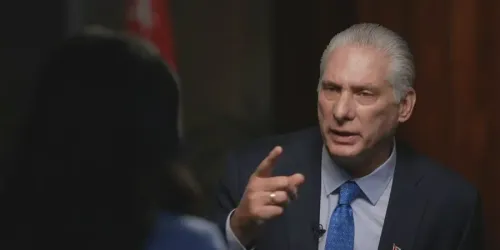
Cuban Deputy Foreign Minister Carlos Fernandez de Cossio warned on 28 May 2026 that the US has no grounds to attack Cuba .
He posted the warning on X in direct response to a Politico report stating the Pentagon awaits only Donald Trump’s approval to strike.
The Nimitz Carrier Strike Group arrived in the Caribbean on 20 May 2026 , the same day the US DOJ indicted Raul Castro over the 1996 Brothers to the Rescue plane downings.
Since early 2026 , the US has imposed new oil-supply restrictions and additional sanctions on Cuban entities and officials.
International media have reported a surge in US surveillance and intelligence flights near Cuba in recent weeks.
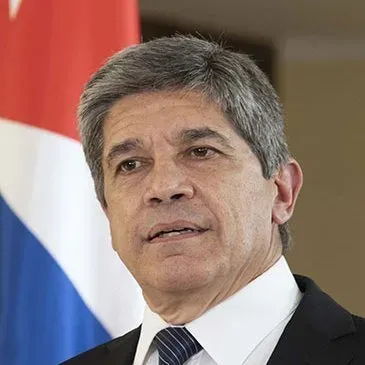
Cuban Deputy Foreign Minister Carlos Fernandez de Cossio on Wednesday, 28 May 2026 issued a sharp warning to Washington, stating that the United States has no legitimate grounds to launch a military attack on Cuba and that any such action would bring death, destruction, and misery — including casualties on the American side.
What the Cuban Diplomat Said
Fernandez de Cossio made the remarks in a post on X, responding directly to a report by US magazine Politico. “Isn’t there a lack of grounds to justify killing, maiming, and causing destruction and misery, in addition to running the certain risk of losing lives on their own side?” he wrote.
The deputy minister also accused Politico of actively encouraging Washington to go to war, and criticised the publication for reporting that the US military was fully positioned for an attack on Cuba and was only awaiting “a final go-ahead from Donald Trump.”
Pentagon Positioning and the Politico Report
According to the Politico report published on Wednesday, “the Pentagon has spent months positioning the troops and weapons needed for the United States to launch a military attack on Cuba.” The report did not cite a specific timeline but indicated readiness was in place pending a presidential decision.
Notably, on 20 May, the US Southern Command confirmed that the Nimitz Carrier Strike Group — comprising the aircraft carrier, its carrier air wing, and at least one guided-missile destroyer — had arrived in the Caribbean. That same day, the US Department of Justice indicted Cuban Revolution leader Raul Castro over his alleged role in the 1996 downing of two planes operated by the anti-Castro group Brothers to the Rescue.
Escalating US Pressure on Cuba in 2026
The military signals are part of a broader escalation. Since the start of 2026, the United States has announced a series of new punitive measures against Cuba, including restrictions targeting countries that supply oil to the island and additional sanctions against Cuban entities and officials.
International media have also reported a marked increase in US surveillance and intelligence flights near Cuba in recent weeks. This comes amid a broader pattern of Washington tightening its posture toward Havana that has intensified under the current US administration.
Regional and Diplomatic Context
The standoff represents one of the most acute moments in US-Cuba relations in years. The combination of carrier group deployment, federal indictments of senior Cuban leaders, and reported Pentagon readiness constitutes a multi-front pressure campaign that analysts say is without modern precedent in its simultaneity.
Cuba has consistently rejected US justifications for coercive action, and Fernandez de Cossio’s public statement signals that Havana is choosing visible diplomatic pushback over silence. How Washington responds — and whether the reported ‘final go-ahead’ is ever given — will shape the trajectory of Caribbean security in the months ahead.
Point of View
A federal indictment of Raul Castro, and a Politico report citing Pentagon readiness is not coincidental — it reads as a coordinated pressure campaign designed to maximise coercive effect without necessarily pulling the trigger. Cuba’s public response via X is calibrated: Havana is speaking to international audiences, not just Washington, building a diplomatic record that any attack would be unprovoked. The real question mainstream coverage underweights is the regional fallout — a US military strike on Cuba would reorder Latin American alignments overnight, potentially driving fence-sitters toward China and Russia in ways that outlast any tactical outcome.
NationPress
12 Oct 2026
Frequently Asked Questions
Why is Cuba warning the US against a military attack?
Cuban Deputy Foreign Minister Carlos Fernandez de Cossio issued the warning on 28 May 2026 after Politico reported that the Pentagon had positioned troops and weapons for a potential attack on Cuba, pending approval from President Donald Trump. Fernandez de Cossio argued there is no legitimate justification for such action and that it would result in deaths on both sides.
What did the Politico report say about a US attack on Cuba?
Politico reported that the Pentagon has spent months positioning troops and weapons for a potential military strike on Cuba, and that the operation only awaits a final go-ahead from President Donald Trump. Cuba’s government accused the magazine of encouraging Washington toward war.
What is the Nimitz Carrier Strike Group doing in the Caribbean?
The US Southern Command announced on 20 May 2026 that the Nimitz Carrier Strike Group — including the aircraft carrier, its air wing, and at least one guided-missile destroyer — had arrived in the Caribbean. The deployment coincided with the US Department of Justice indicting Cuban leader Raul Castro.
Why was Raul Castro indicted by the US?
The US Department of Justice indicted Raul Castro on 20 May 2026 over his alleged role in the 1996 downing of two planes operated by Brothers to the Rescue, an anti-Castro group. Cuba has not recognised the indictment's legitimacy.
What other pressure has the US applied on Cuba in 2026?
Since early 2026, the US has announced restrictions targeting countries that supply oil to Cuba, imposed additional sanctions on Cuban entities and officials, and reportedly increased surveillance and intelligence flights near the island, according to international media reports.