US Senate passes Russia sanctions bill that could hit India with 100% tariffs
Synopsis
The US Senate has passed a Russia sanctions bill that stops short of naming India — but its data-driven targeting mechanism almost certainly puts New Delhi in the crosshairs. With tariffs of up to 100% on the table and the House yet to act, India's discounted Russian crude strategy faces its most direct legislative challenge from Washington yet.
Key Takeaways
The US Senate passed the Lindsey Graham Sanctioning Russia and Iran Act of 2026 by 86-11 on 8 August 2026 .
The bill could expose the five largest importers of Russian crude and gas — a category widely expected to include India — to tariffs of up to 100 per cent .
Countries are identified by trade data , not by name; determinations are reviewed every 180 days .
Republican Senator Deb Fischer named India , China , and Brazil in a supporting statement, though her remarks carry no statutory force.
The House of Representatives is in recess until 31 August and has not committed to taking up the bill.
The legislation also extends the Iran Sanctions Act of 1996 until 2031 and targets Russia’s shadow oil fleet.
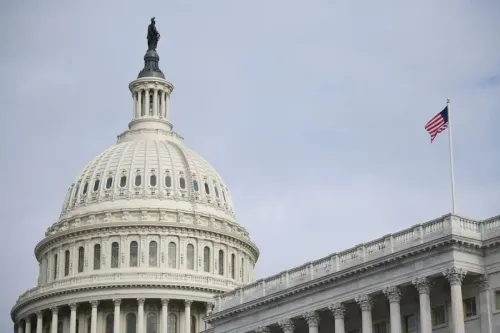
The US Senate on 8 August 2026 passed the Lindsey Graham Sanctioning Russia and Iran Act of 2026 by an 86-11 vote, a sweeping sanctions legislation that, while not naming India explicitly, could expose it and other major buyers of Russian energy to tariffs of up to 100 per cent. The bill now moves to the House of Representatives, where senior Democrats have already raised objections to its tariff provisions.
How India Could Be Affected
The legislation does not identify countries by name in its statutory text. Instead, it directs the administration to use trade data to determine which nations fall within its scope — specifically, the five largest importers of Russian crude oil, the five largest importers of Russian natural gas, and the five leading countries facilitating Russian oil sanctions evasion. Those determinations would be based on the most recent 12-month period and reviewed every 180 days.
Given India's status as one of the world's largest buyers of discounted Russian crude since the Ukraine war began, analysts widely expect it to fall within the bill's targeting criteria if signed into law. China and Brazil are similarly positioned.
What Republican Senators Said
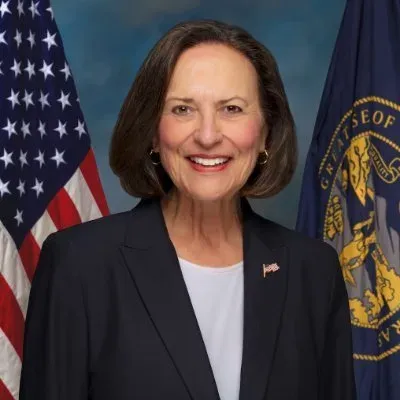
Republican Senator Deb Fischer named India, China, and Brazil directly in a statement supporting the bill — though her remarks carry no statutory force. “The Kremlin’s war machine runs on the money it makes from selling cheap oil and gas to countries like China, India, and Brazil who then profit by reselling Russian energy at a markup,” Fischer said. “It is long overdue for these enablers to pay a price.”
The bill was named after Republican Senator Lindsey Graham, who had negotiated an agreement with the White House before his sudden death on 11 July. Senators accelerated work on the measure following his passing.
Democratic Divisions Over Tariff Provisions
The tariff authority proved contentious within the Democratic caucus. An amendment from Republican Senator Rand Paul and Democratic Senator Ron Wyden seeking to strip the tariff provisions failed 32-64. Democratic Senator Raphael Warnock lifted his earlier hold on the bill only after US Trade Representative Jamieson Greer provided a written commitment that the administration would follow the law as written.
“Let’s be clear: Putin is a war criminal, and his war machine must be stopped,” Warnock said. “But we should not have to choose between putting a check on Putin’s aggression and putting a check on this president’s tariff regime.”
House Foreign Affairs Committee ranking Democrat Gregory Meeks and Representative Don Beyer called the Senate bill unacceptable, arguing it grants President Donald Trump sweeping tariff authority while retaining broad presidential waivers on sanctions.
Broader Scope of the Legislation
Beyond energy-related tariffs, the bill imposes primary and secondary sanctions against Russian officials, oligarchs, their family members, banks, and financial institutions. It also targets foreign actors supporting Moscow’s war in Ukraine and Russia’s so-called shadow fleet used to transport oil and circumvent existing sanctions. The legislation would additionally extend the Iran Sanctions Act of 1996 until 2031, penalising companies investing in Iran’s energy sector.
Democratic Senator Richard Blumenthal framed the vote in moral terms: “Today we say to the people of Ukraine, you are not alone. And we say to Vladimir Putin, you will not conquer Ukraine.”
What Happens Next
The House of Representatives is in recess until 31 August and has not indicated whether it will take up the measure. The House had separately passed a Russia sanctions and Ukraine aid bill in June after supporters used a discharge petition to force a vote. Whether the two chambers can reconcile their differences — particularly on tariff authority — remains the central legislative question. For India, the outcome will determine whether its energy trade calculus with Moscow carries a direct economic cost imposed by Washington.
Point of View
But it will almost certainly find itself in the trade data. The deeper contradiction is that the same administration pushing tariffs on Russian-energy buyers has itself been ambiguous on Ukraine aid timelines. For India, the calculus is no longer just about energy security; it is about whether the cost of cheap Russian oil now exceeds its savings.
NationPress
22 Sept 2026
Frequently Asked Questions
What is the Lindsey Graham Sanctioning Russia and Iran Act of 2026?
It is a sweeping US sanctions bill passed by the Senate on 8 August 2026 by an 86-11 vote, targeting Russia’s war financing through energy revenues. It imposes tariffs of up to 100% on the largest buyers of Russian crude and gas, sanctions Russian officials and oligarchs, and targets Russia’s shadow oil fleet. It also extends the Iran Sanctions Act of 1996 until 2031.
Does the bill specifically name India?
No, the bill does not name India in its statutory text. It instead directs the administration to use trade data to identify the five largest importers of Russian crude oil and natural gas, and the five leading countries facilitating sanctions evasion — categories that analysts widely expect India to fall within, given its large purchases of discounted Russian crude.
What tariffs could India face under this legislation?
Countries identified as major Russian energy buyers could face tariffs of up to 100 per cent under the bill’s provisions. Determinations would be based on the most recent 12-month trade data and reviewed every 180 days, meaning India’s exposure could fluctuate depending on its energy import volumes.
What happens next with the bill?
The bill now goes to the House of Representatives, which is in recess until 31 August 2026. Senior House Democrats have already called the current text unacceptable, citing concerns about broad tariff authority granted to President Trump. The House passed a separate Russia sanctions bill in June, and reconciling the two versions remains the key legislative hurdle.
Why did some Democrats oppose the bill’s tariff provisions?
Several Democrats argued the tariff authority granted to President Donald Trump was too broad and risked being used beyond its stated purpose. An amendment to remove the tariff provisions failed 32-64. Senator Raphael Warnock, who had placed a hold on the bill, only lifted it after the US Trade Representative provided a written commitment to follow the law as written.