Trump's Russian diesel deal sparks US double-standard row over India oil
Synopsis
Washington signed a Russian diesel deal — then watched American journalists, senators and Indian social media users point out the same administration had just legislated 100% tariffs on countries like India for buying Russian energy. The reversal, coming within weeks of the Lindsey Graham sanctions bill, has given the double-standard charge rare bipartisan and international traction.
Key Takeaways
President Trump announced a deal for Russia to supply diesel to American and global markets, with the US Treasury issuing General License 135 easing sanctions until April 2027 .
The deal came less than a month after Trump signed legislation authorising 100 per cent tariffs on major Russian energy buyers, including India and China .
Russia is set to supply over 300,000 tonnes initially, rising to 500,000 tonnes in November and one million tonnes thereafter.
Senators Jeanne Shaheen , Chuck Schumer and Elizabeth Warren jointly condemned the move, saying it funds Russia's war machine.
Journalists Catherine Rampell and Sam Stein publicly flagged the contradiction on X , as did verified accounts questioning why India faced pressure for similar purchases.
Ukrainian President Volodymyr Zelenskyy warned the deal could bolster Moscow's ability to sustain its military campaign.
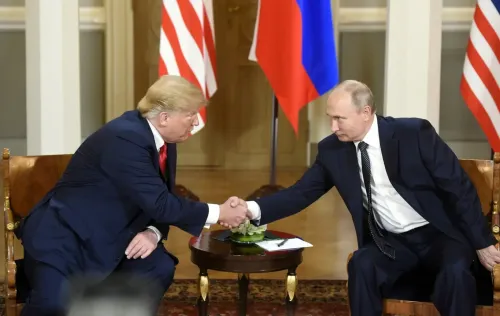
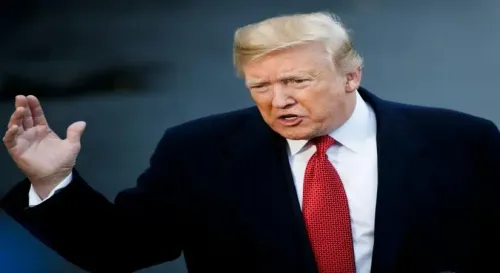
President Donald Trump's decision to secure Russian diesel supplies for American and global markets has ignited a fierce double-standards debate, with commentators, lawmakers and social media users questioning why Washington penalised countries like India for buying Russian oil while now striking its own fuel deal with Moscow. The controversy erupted on Friday, 10 October, after Trump announced that Russian President Vladimir Putin had agreed to supply millions of tonnes of diesel, prompting the US Treasury Department to temporarily ease sanctions on Russian diesel transactions.
The Deal and Its Immediate Fallout
The announcement came less than a month after Trump signed bipartisan legislation authorising tariffs of up to 100 per cent on major purchasers of Russian oil and gas — a list that explicitly included India and China. Under the arrangement, Russia would initially supply more than 300,000 tonnes of diesel, followed by 500,000 tonnes in November and one million tonnes thereafter, with further deliveries contingent on refinery capacity. The US Treasury issued General License 135, authorising specified transactions involving Russian-origin diesel until April 2027.
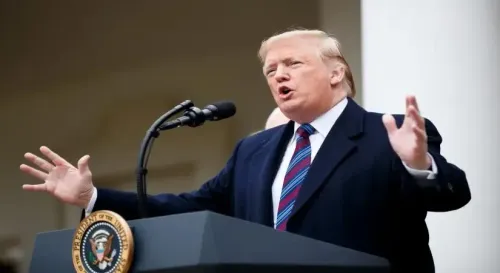
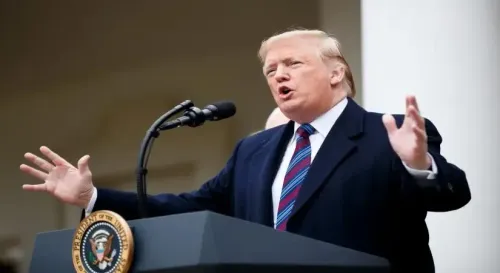
Trump defended the deal at the White House, arguing that additional fuel supplies were necessary to reduce prices for American consumers, farmers and truckers. He thanked Putin for the arrangement and said the United States needed the additional diesel supplies.
American Journalists and Social Media Call Out the Contradiction
American journalist Catherine Rampell raised the contradiction in a sharply worded post on X. 'does this mean we will soon start tariffing ourselves?' she asked, referring to the administration's newly acquired legislative powers to penalise major buyers of Russian energy.
Political journalist Sam Stein also highlighted the reversal, noting Trump had recently signed legislation designed to tighten economic pressure on Moscow. 'Three weeks ago Trump signed the Lindsey Graham Russia Sanctions bill as a testament to Graham's commitment to put an economic stranglehold on Putin,' Stein wrote, before contrasting it with Friday's fuel announcement.
The verified X account News Matrix recalled Trump's earlier criticism of India's oil imports and posed the question directly: 'If India buying Russian oil = funding Putin's war machine... does the same logic apply to the USA? Or is it only 'funding Russia' when INDIA does it?' Similar reactions surfaced on Reddit communities including r/IndianStockMarket and r/IndianStreetBets, with users questioning whether Washington would impose a 100 per cent tariff on itself.
Democratic Senators Condemn the Move
Senior Democratic lawmakers voiced formal opposition. Senators Jeanne Shaheen, Chuck Schumer and Elizabeth Warren issued a joint statement condemning the administration's decision to allow Russian diesel sales for six months. 'The President must end his war with Iran instead of funding Russia's war machine,' they said, arguing the move undermined congressional efforts to restrict Moscow's energy revenues.
Their criticism followed an 7 October bipartisan letter from Shaheen and Republican Senator Roger Wicker urging Secretary of State Marco Rubio and Treasury Secretary Scott Bessent to enforce tougher sanctions against Russia's oil tankers, financial networks and military technology suppliers. The lawmakers called for action against Russia's shadow fleet, warning that delay would allow Moscow to sustain its military campaign in Ukraine.
Zelenskyy Warns of War Funding Risk
Ukrainian President Volodymyr Zelenskyy also criticised the arrangement, warning that additional Russian energy revenues could strengthen Moscow's capacity to continue the war in Ukraine. His remarks added an international dimension to what had begun as a domestic US political controversy.
What This Means for India
For India, the episode carries pointed significance. New Delhi had faced sustained American pressure over its purchases of discounted Russian crude following the 2022 Ukraine invasion, with US officials and legislators repeatedly framing such purchases as indirectly financing Moscow's war effort. Critics now argue that Washington's own diesel deal undercuts that moral and economic argument entirely. This is not the first time US energy policy has appeared to diverge from the standards it seeks to apply to others, but the speed of the reversal — within weeks of tariff legislation aimed at Russian energy buyers — has given the contradiction unusual political sharpness.
Point of View
Framed as consumer relief. The speed of the reversal — weeks, not years — strips the earlier pressure on India of its moral grounding and hands New Delhi a durable diplomatic talking point. What is notable is that the loudest pushback has come from within the US itself, from senators who backed the Graham bill and journalists who took the administration's own logic seriously. For India, this is not vindication so much as confirmation of what its energy planners argued all along: that energy decisions are driven by national interest, not principle, regardless of geography.
NationPress
10 Oct 2026
Frequently Asked Questions
What is the US-Russia diesel deal that Trump announced?
President Trump announced that Russia's Vladimir Putin agreed to supply millions of tonnes of diesel to American and global markets, with the US Treasury issuing General License 135 to ease sanctions on Russian diesel transactions until April 2027. Russia would supply over 300,000 tonnes initially, scaling up to one million tonnes in subsequent months.
Why are critics calling this a double standard on India?
Critics note that the Trump administration had backed legislation imposing up to 100 per cent tariffs on countries — including India — that purchase Russian oil, framing such purchases as funding Putin's war. The new US diesel deal with Russia is seen as applying an identical logic to Washington itself, prompting accusations of hypocrisy from both American commentators and Indian social media users.
What did US senators say about the Russian diesel deal?
Democratic Senators Jeanne Shaheen, Chuck Schumer and Elizabeth Warren issued a joint statement condemning the decision to allow Russian diesel sales for six months, saying it funded Russia's war machine. They were also part of a bipartisan 7 October letter urging tougher sanctions on Russia's oil tankers and financial networks.
How does this affect India's position on Russian oil purchases?
India had faced sustained US pressure over its purchases of discounted Russian crude since 2022, with officials framing it as indirectly financing Moscow's war effort. The US's own diesel deal undercuts that argument, giving India a stronger diplomatic position in any future bilateral discussions on energy policy.
What did Ukrainian President Zelenskyy say about the deal?
Ukrainian President Volodymyr Zelenskyy criticised the arrangement, warning that additional Russian energy revenues could strengthen Moscow's ability to continue the war in Ukraine. His statement added international pressure to what was already a contentious domestic US political debate.