US taps Strategic Petroleum Reserve for 4 million barrels amid Gulf storm
Synopsis
With Gulf hurricanes threatening to knock out refinery supply lines, the US has tapped its Strategic Petroleum Reserve for 4 million barrels — split between ExxonMobil and BP America. The exchange is structured so both companies repay more than they borrow, and the move fits inside a far larger 172-million-barrel IEA-coordinated release already under way.
Key Takeaways
The US Department of Energy authorised an emergency exchange of up to 4 million barrels from the Strategic Petroleum Reserve on 11 October 2026 .
ExxonMobil and BP America each received authorisation for up to 2 million barrels of crude oil.
Both companies must return the borrowed volumes plus a premium by 2027 , which the department says will strengthen the reserve.
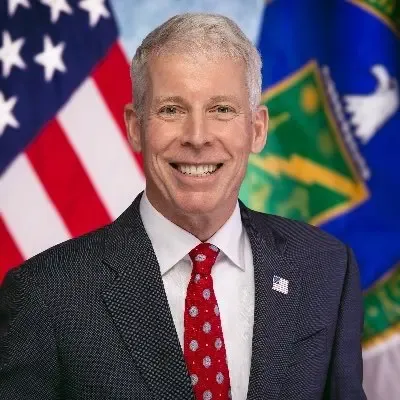
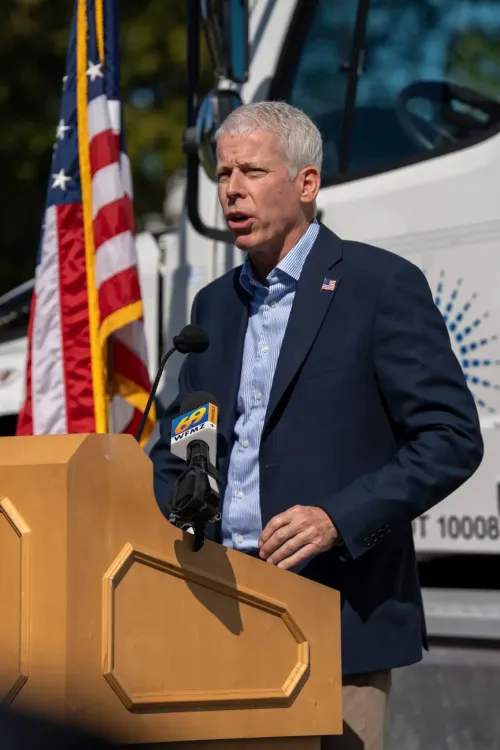
Energy Secretary Chris Wright said the action was necessary to protect American consumers and keep refineries operational amid hurricane disruptions.
A separate, larger exchange programme covering up to 40 million barrels was announced on 29 September , part of a 172-million-barrel IEA-coordinated release.
The United States Department of Energy has authorised an emergency exchange of up to 4 million barrels of crude oil from the country's Strategic Petroleum Reserve (SPR) to prevent fuel supply disruptions triggered by severe hurricane activity in the Gulf region. The decision, announced on Saturday, 11 October 2026, grants energy majors ExxonMobil and BP America access to up to 2 million barrels each from the emergency stockpile.
How the Emergency Exchange Works
Under the arrangement, both companies will borrow crude oil from the SPR and are required to return not only the same volume but additional barrels as a premium — a structure the Department of Energy says will ultimately strengthen, not deplete, the reserve. Energy Secretary Chris Wright described the move as a swift response to protect American consumers and businesses from weather-driven supply shocks.
'With this emergency exchange, the Energy Department is acting swiftly to help maintain refinery operations, limit disruptions to fuel supplies, and ensure American families and businesses continue to have access to affordable, reliable, and secure energy,' Wright said.
The department added that the premium repayment obligation is expected to generate savings for taxpayers over the life of the exchange.
ExxonMobil and BP America's Separate Allocations
For ExxonMobil, the emergency authorisation accelerates deliveries of crude oil already awarded to the company under an earlier SPR arrangement. This allows the company to address immediate supply requirements without waiting for the original delivery schedule to kick in. BP America has been separately authorised to receive up to 2 million barrels under the same emergency framework.
The Gulf of Mexico region hosts a significant share of American oil production, refining, and pipeline infrastructure, making hurricane disruptions particularly consequential for domestic fuel markets. Keeping refineries operational during storm-related crude shortfalls is considered critical to preventing price spikes at the pump.
Broader SPR Strategy Under the Trump Administration
The emergency release sits within a larger strategic picture. On 29 September, the Department of Energy issued a separate request for proposals covering up to 40 million barrels under an earlier, larger emergency exchange programme. That initiative forms part of the Trump administration's commitment to release 172 million barrels in coordination with a wider international effort involving members of the International Energy Agency (IEA).
Notably, the SPR was originally established in the 1970s following the global oil crisis, specifically to buffer the United States against major supply disruptions — a mandate that continues to define its use today. This is among the largest single emergency exchanges authorised in recent years.
What Happens Next
The Department of Energy said it would continue coordinating with industry partners to monitor hurricane-related disruptions and respond as necessary. The two companies are obligated to return the borrowed volumes — plus a premium — by 2027. Markets will be watching whether further Gulf weather events prompt additional SPR activations in the weeks ahead.
Point of View
Not smaller. But the scale signals just how exposed Gulf Coast refining infrastructure remains to weather events: a four-million-barrel gap is not trivial. The larger 172-million-barrel IEA-linked commitment also raises a question mainstream coverage often skips: at what point does coordinated reserve drawdown begin to undermine the very buffer it is meant to provide? The Trump administration's aggressive use of the SPR on multiple fronts warrants scrutiny of cumulative reserve levels, not just individual exchange announcements.
NationPress
11 Oct 2026
Frequently Asked Questions
Why did the US release oil from the Strategic Petroleum Reserve?
The US Department of Energy authorised the emergency exchange to prevent fuel supply disruptions caused by hurricane activity in the Gulf of Mexico region. The Gulf hosts major American oil production, refining, and transportation infrastructure, making storm-related crude shortfalls a direct threat to domestic fuel availability.
How much oil is being released and who receives it?
Up to 4 million barrels of crude oil are being exchanged from the Strategic Petroleum Reserve, with ExxonMobil and BP America each authorised to receive up to 2 million barrels under the emergency arrangement.
When will ExxonMobil and BP America return the oil?
Both companies are required to return the borrowed crude, along with additional barrels as a premium, by 2027. The Department of Energy says this premium repayment will strengthen the reserve and generate savings for taxpayers.
How does this fit into the Trump administration's broader oil reserve strategy?
This emergency exchange is part of a larger effort. On 29 September, the Department of Energy issued a request for proposals for up to 40 million barrels under a separate programme, itself part of a 172-million-barrel release commitment made in coordination with International Energy Agency member countries.
What is the Strategic Petroleum Reserve and why does it exist?
The Strategic Petroleum Reserve is the United States' emergency crude oil stockpile, established in the 1970s after the global oil crisis to protect the country against major supply disruptions. It remains one of the largest government-held emergency oil reserves in the world.