US Energy Secretary Warns of Short-term Energy Disruption for Long-term Stability
Synopsis
As global energy markets face significant short-term disruptions due to the Iran conflict, US Energy Secretary Chris Wright defends the strategic release of oil reserves. This move aims to maintain long-term energy stability worldwide.
Key Takeaways
The US is releasing 172 million barrels from its Strategic Petroleum Reserve.
This move aims to stabilize global energy markets amid rising tensions.
Around 30 countries are collaborating on this emergency oil release.
The Strait of Hormuz is critical for global oil trade.
The US military is focused on neutralizing threats to shipping routes.
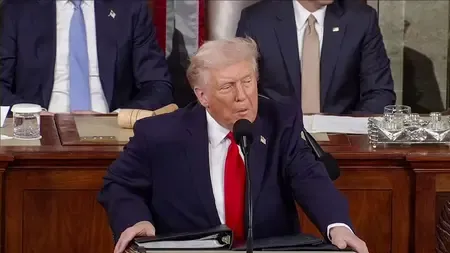
Washington, March 13 (NationPress) The globe is currently experiencing a notable short-term disruption aimed at ensuring the long-term stability of energy supplies, as asserted by US Energy Secretary Chris Wright. He justified the United States' decision to release oil reserves in response to the ongoing conflict involving Iran.
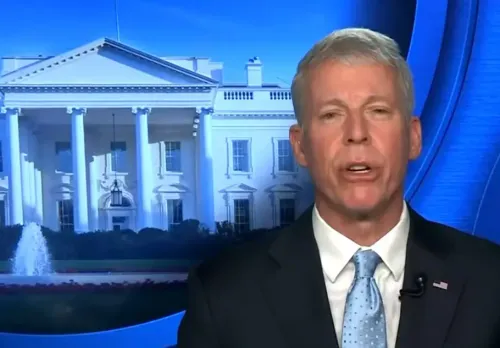
Wright stated in a CNN interview, “We’re navigating a significant short-term disruption to secure energy flow for the future.”
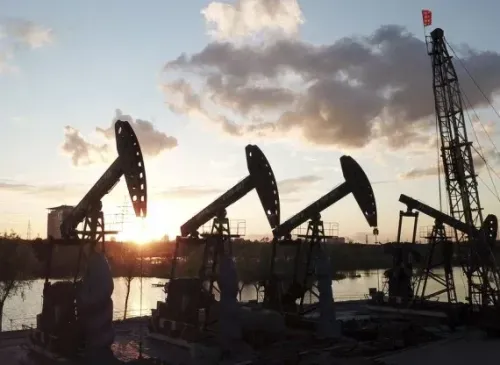
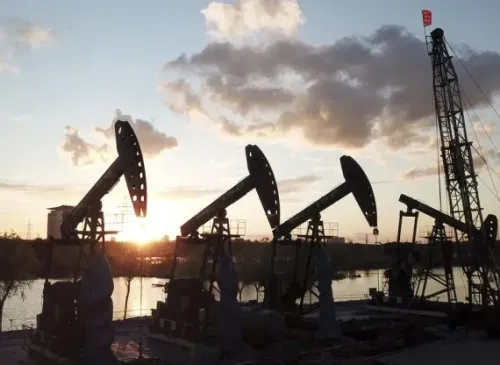
The US government has initiated plans to distribute approximately 172 million barrels of oil from its Strategic Petroleum Reserve (SPR) as a coordinated international strategy to stabilize global markets.
Around 30 nations are engaged in this emergency initiative, potentially releasing about 400 million barrels of oil into the global market to counteract the disruptions caused by the conflict.
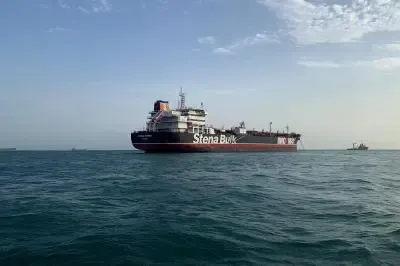
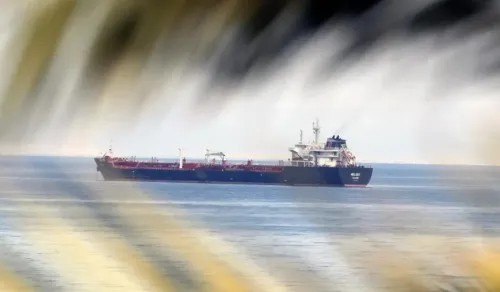
Energy markets are under pressure due to rising tensions in the Strait of Hormuz, one of the most vital oil transportation routes worldwide.
Tankers in the area have encountered attacks and security risks, escalating concerns about prolonged oil supply interruptions.
In separate discussions with Fox News, CNBC, and CNN, Wright emphasized that the reserve release is crucial for maintaining the flow of oil to international markets, particularly in Asia.
“The release effectively addresses the supply gap,” he remarked during his Fox News appearance.
This move follows indications that refineries in Asia, specifically in India, South Korea, Japan, and Thailand, were considering reducing their operational capacity due to uncertainties surrounding oil availability.
“Last week, we began hearing from Asian refineries regarding potential reductions in their throughput,” Wright explained.
“It’s essential to keep these refineries operational so they can supply jet fuel, diesel, and other products necessary for the Asian economy.”
Japan is also contributing by releasing oil at a rate exceeding its proportional share of the global emergency stockpile to help stabilize supplies to Asian markets.
The United States currently possesses about 415 million barrels in its Strategic Petroleum Reserve.
Officials indicate that this emergency release is meant to cover supply shortages until normal shipping activities resume through the Strait of Hormuz.
Wright added that the US military is focused on diminishing Iran's military capabilities that threaten regional shipping and global energy supplies.
“Our military assets are concentrated on neutralizing Iran’s capacity to wage war and instill fear in the region,” he stated in the CNN interview.
Naval escorts for oil tankers navigating the Strait of Hormuz may commence once security conditions improve.
“This is an operation that will take weeks, not months,” Wright noted during an interview with CNBC.
Despite the current disruptions, Wright believes that the United States is in a stronger position compared to many countries due to its status as a net oil exporter, producing more oil than it consumes.
“The United States… has become a net oil exporter,” he claimed during the Fox News interview.
The Strategic Petroleum Reserve was established in the aftermath of the oil crises of the 1970s to safeguard both US and global markets during periods of supply disruptions.
The Strait of Hormuz remains a critical energy chokepoint, with approximately one-fifth of the global oil trade passing through this narrow channel.
Any extended disruption could have significant ramifications for global prices and supply chains, especially for major oil-importing nations like India and other Asian economies.
Point of View
It's essential to recognize the proactive measures being taken to secure energy supplies amid geopolitical tensions. The US's release of oil reserves represents a commitment to maintaining stability in global energy markets, which is vital for economies worldwide.
NationPress
26 Sept 2026
Frequently Asked Questions
What is the reason behind the US releasing oil reserves?
The US is releasing oil reserves to address significant short-term disruptions in global energy supplies caused by the ongoing conflict involving Iran.
How many barrels of oil is the US planning to release?
The US plans to release approximately 172 million barrels of oil from its Strategic Petroleum Reserve.
What impact could the conflict in the Strait of Hormuz have on oil supplies?
The conflict has raised concerns about prolonged disruptions in oil supplies, which could significantly affect global prices and supply chains.
Which countries are participating in the emergency oil release?
Around 30 countries are involved in the coordinated effort to stabilize global oil markets.
How is the US positioned in terms of oil production?
The US is currently a net oil exporter, producing more oil than it consumes, which positions it favorably compared to many other nations.