U.S. Evaluates Energy Strategies to Mitigate Rising Oil Prices
Synopsis
As global oil prices surge, the U.S. is exploring emergency measures, including potential releases from strategic reserves and easing Iranian oil restrictions. Treasury Secretary Scott Bessent reveals a coordinated approach to stabilize supply amidst ongoing tensions. Discover how these actions may impact the market and international relations.
Key Takeaways
The U.S. is considering emergency energy measures to combat rising oil prices.
Potential releases from the Strategic Petroleum Reserve could play a pivotal role.
Relaxing restrictions on Iranian oil may introduce significant additional supply.
Coordinated efforts with allies are expected to ensure energy security.
The current SPR capacity raises questions about long-term replenishment.
Washington, March 19 (NationPress) The United States is evaluating a set of urgent energy initiatives, which may involve a greater release of crude oil from its strategic reserves and a potential reduction of restrictions on Iranian oil. This strategy aims to address escalating prices following recent disruptions in global supply chains.
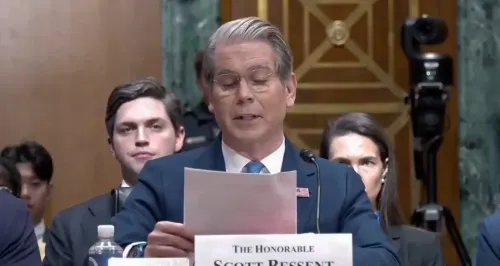
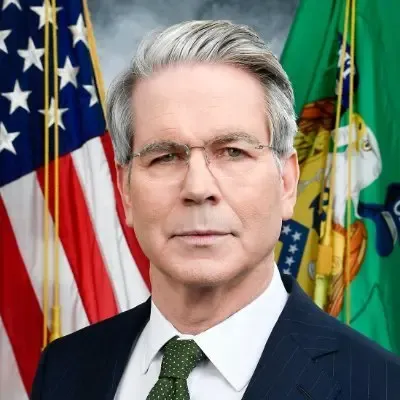
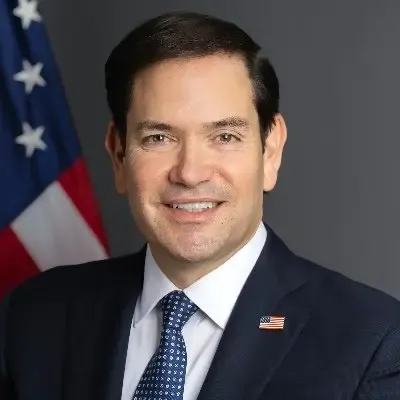
Treasury Secretary Scott Bessent, in discussions with Bloomberg and Fox News, disclosed that the administration had developed contingency plans ahead of anticipated bottlenecks in international oil flows, especially concerning vital maritime routes.
“We had a break-the-glass strategy across the administration and at Treasury,” he explained during the interview, highlighting a synchronized endeavor to stabilize oil supply.
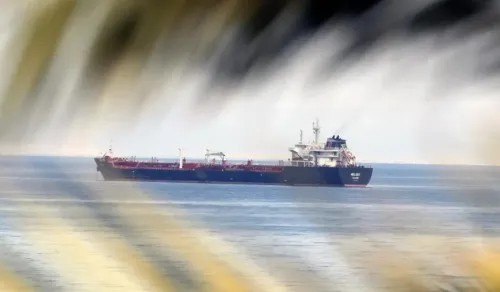
Bessent noted that Washington has already taken steps to augment supply by relaxing restrictions on Russian oil shipments currently in transit. “We have effectively removed sanctions on Russian oil. We were aware of approximately 130 million barrels at sea, and we facilitated supply,” he elaborated.
He emphasized that any disruptions are projected to be short-lived. “We foresaw this. We recognized the possibility of a temporary… choke point,” he remarked.
The administration is contemplating similar actions for Iranian oil that is already en route. Bessent indicated that around 140 million barrels could be made market-ready if necessary.
“Essentially, we will be utilizing Iranian barrels against the Iranians to keep prices down over the next 10 to 14 days,” he stated.
Officials project that these floating supplies could offer a buffer of up to two weeks of additional oil, serving as a short-term solution as tensions persist.
Bessent also referred to a significant release from the Strategic Petroleum Reserve (SPR), labeling it “the largest coordinated SPR release in history, amounting to 400 million barrels,” which received approval recently.
He mentioned that further releases remain a possibility. “The U.S. could independently execute another SPR release to maintain lower prices,” he added.
Concurrently, administration officials indicated that allies may be called upon to contribute. “Some nations will be stepping up their efforts,” Bessent remarked, suggesting a collective approach.
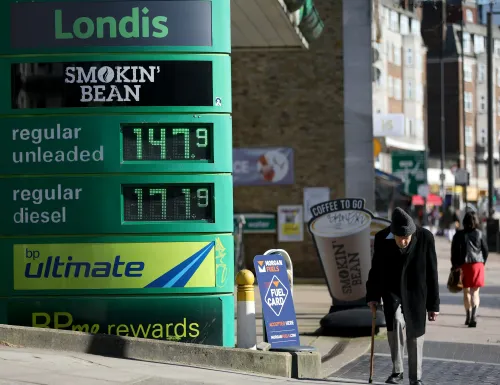
This initiative arises as the White House encounters mounting pressure to respond to soaring oil prices due to attacks on energy infrastructure and shipping disruptions, as discussed in the interviews with Fox News and Bloomberg.
Officials mentioned that the current SPR is at approximately 60 percent capacity, leading to concerns regarding long-term replenishment as short-term releases are contemplated.
Simultaneously, U.S. officials are urging allies to assist in securing critical maritime routes. Bessent noted that nations dependent on imported energy have a vested interest. “When President Trump advocates for our allies to join us… They are the ones who require this oil,” he asserted, adding that the U.S. is now “virtually energy independent” and an oil exporter.
Point of View
The U.S. government's proactive measures to stabilize oil prices reflect a critical response to global supply disruptions. The nuanced approach of leveraging existing resources while engaging allies demonstrates a commitment to ensuring energy security, which is vital for both the economy and international relations.
NationPress
19 Sept 2026
Frequently Asked Questions
What actions is the U.S. considering to address rising oil prices?
The U.S. is contemplating releasing more crude from its strategic reserves and easing restrictions on Iranian oil imports to stabilize prices following global supply disruptions.
How much oil could be made available from Iranian sources?
Approximately 140 million barrels of Iranian oil could potentially be brought into the market if necessary.
What is the current status of the Strategic Petroleum Reserve?
The Strategic Petroleum Reserve currently stands at about 60 percent capacity, raising concerns about long-term replenishment.
Who is responsible for coordinating these energy measures?
Treasury Secretary Scott Bessent is leading the coordinated effort across the administration to stabilize oil supply.
What impact do these measures have on U.S. allies?
U.S. officials are urging allies to contribute to securing critical maritime routes, emphasizing their reliance on oil imports.