KOSPI surges 6% past 7,300 on US-Iran peace hopes, Samsung soars 12%
Synopsis
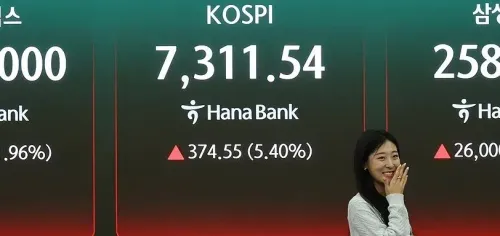
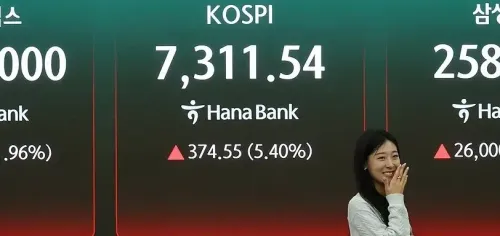
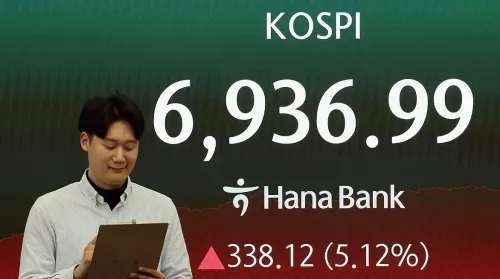
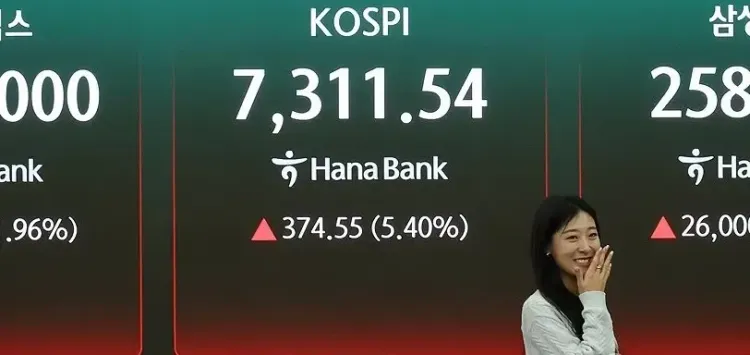
South Korea's KOSPI hit an all-time intraday high of 7,355.81 on 6 May, surging over 6% as US-Iran peace deal optimism and a Wall Street AI rally sent Samsung Electronics soaring 12.47%. The milestone came even as South Korean inflation hit a 21-month high — a split screen that captures the tension between geopolitical relief and economic reality.
Key Takeaways
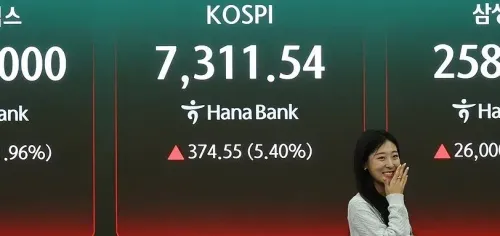
KOSPI surged 6.04% to an all-time intraday high of 7,355.81 on 6 May 2025 , crossing 7,300 for the first time.
Samsung Electronics jumped 12.47% and SK Hynix soared 10.3% , leading the semiconductor-driven rally.
The trigger was US President Donald Trump's announcement to pause Strait of Hormuz ship-guiding efforts to finalise a deal with Iran .
Defence stocks fell — Hanwha Aerospace dropped 2.32% and Hyundai Rotem declined 2.6% on reduced conflict expectations.
South Korea's consumer inflation hit a 21-month high of 2.6% in April, with petroleum prices up 21.9% year-on-year.
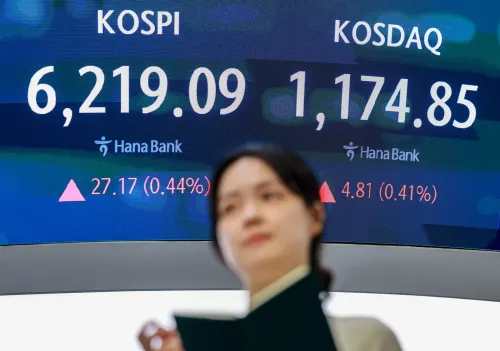
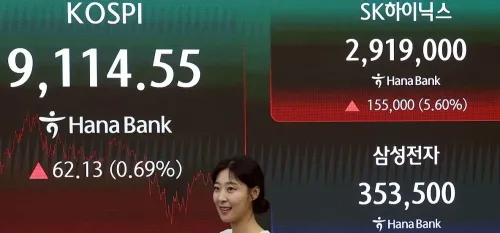
South Korea's benchmark Korea Composite Stock Price Index (KOSPI) surged 6.04 percent to an all-time intraday high of 7,355.81 on Wednesday, 6 May, driven by strong semiconductor gains and rising optimism over a potential US-Iran peace deal. The index added 418.82 points as of 11:20 am local time, according to Yonhap news agency, crossing the unprecedented 7,300-point threshold for the first time.
What Triggered the Rally
The surge followed an announcement by US President Donald Trump to pause American efforts to guide ships through the Strait of Hormuz as part of ongoing negotiations to finalise a deal with Iran. The move was interpreted by markets as a meaningful step toward de-escalation in the Middle East. Overnight on Wall Street, the S&P 500 and Nasdaq closed at record highs, buoyed by artificial intelligence-related stocks, setting a positive tone for Asian markets.
Semiconductor Stocks Lead the Charge
Samsung Electronics, the top-cap chipmaker, surged 12.47 percent, while rival SK Hynix soared 10.3 percent. Chip equipment manufacturer Hanmi Semiconductor rose 1.59 percent. The semiconductor-led rally reflects global investor appetite for AI-linked hardware, a trend that has underpinned South Korean equities for much of 2025. Top carmaker Hyundai Motor advanced 2.23 percent, and its auto parts affiliate Hyundai Mobis added 0.46 percent.
Circuit Breaker and Market Controls
With the scale of the surge, bourse operator Korea Exchange issued a buy-side sidecar at 9:06 am to halt program-driven buy orders in KOSPI futures for five minutes — a standard mechanism triggered when momentum buying risks destabilising price discovery. The index had opened 2.25 percent higher before extending gains sharply through the morning session.
Defence Shares Buck the Trend
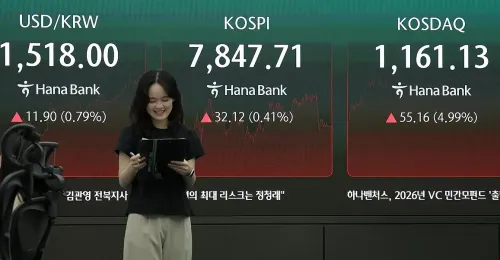
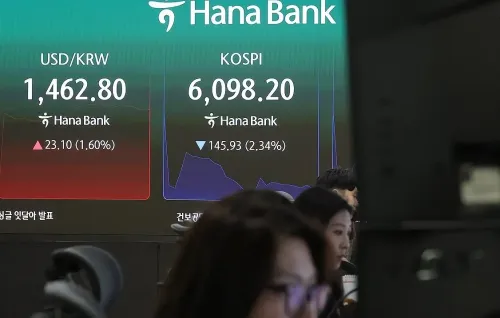
Not all sectors participated in the rally. Defence stocks traded lower as the prospect of a Middle East peace deal reduced near-term demand expectations for defence hardware. Industry leader Hanwha Aerospace fell 2.32 percent and Hyundai Rotem dropped 2.6 percent. The Korean won strengthened, trading at 1,457.6 won against the US dollar as of 11:20 am, up 5.2 won from the previous session.
Inflation Climbs to 21-Month High
The market euphoria came alongside a sobering economic data point: South Korea's consumer prices rose at their fastest pace in 21 months in April, driven by soaring fuel costs linked to the ongoing Middle East conflict. According to data from the Ministry of Data and Statistics, consumer prices increased 2.6 percent year-on-year last month — the largest on-year rise since July 2024, when inflation also climbed 2.6 percent. Petroleum product prices jumped 21.9 percent from a year earlier, marking the sharpest increase since July 2022. The inflation uptick could complicate the Bank of Korea's monetary policy calculus in the months ahead, even as equity markets celebrate the prospect of easing geopolitical tensions.
Point of View
300 is a headline, but the more revealing story is the split between what equity markets are pricing and what the real economy is signalling. Samsung's 12% single-session surge reflects global AI-linked semiconductor demand, not just geopolitical relief — meaning the rally has structural legs beyond the Iran narrative. Yet the simultaneous 21-month inflation high, driven by a 21.9% petroleum price surge, is a reminder that the Middle East conflict has already extracted a cost from South Korean households. If the US-Iran deal stalls, both the equity euphoria and the fuel-price relief evaporate at once — a double vulnerability that markets appear to be discounting entirely.
NationPress
23 Sept 2026
Frequently Asked Questions
Why did the KOSPI surge over 6% on 6 May 2025?
The KOSPI surged 6.04% to an all-time intraday high of 7,355.81 on 6 May 2025, driven by optimism over a potential US-Iran peace deal and a record-setting overnight session on Wall Street. Semiconductor stocks, particularly Samsung Electronics and SK Hynix, led the rally.
What is a buy-side sidecar and why was it triggered?
A buy-side sidecar is a market circuit breaker that temporarily halts program-driven buy orders in futures for five minutes when momentum buying risks distorting prices. Korea Exchange triggered it at 9:06 am on 6 May as the KOSPI's rapid surge threatened to destabilise orderly trading.
How did South Korea's inflation data factor into the market picture?
South Korea's consumer prices rose 2.6% year-on-year in April — a 21-month high — driven by a 21.9% surge in petroleum product prices linked to the Middle East conflict. The data underscores that while markets are celebrating potential peace, households have already absorbed significant fuel cost increases.
Which sectors fell despite the overall market rally?
Defence stocks declined as peace deal optimism reduced near-term demand expectations. Hanwha Aerospace fell 2.32% and Hyundai Rotem dropped 2.6%, bucking the broader market's upward trend.
How did the Korean won perform alongside the KOSPI rally?
The Korean won strengthened to 1,457.6 won per US dollar as of 11:20 am on 6 May, gaining 5.2 won from the previous session, reflecting improved risk sentiment tied to the US-Iran peace deal optimism.