US Urges India to Utilize 100 Million Barrels of Russian Oil Amid Iran Tensions
Synopsis
The US has called on India to expedite the unloading of over 100 million barrels of Russian oil stranded offshore, aiming to stabilize rising prices due to the Iran conflict. Energy Secretary Chris Wright emphasizes this as a temporary solution, not a change in US policy towards Russia.
Key Takeaways
US urges India to unload stranded Russian oil.
Over 100 million barrels of crude oil are waiting offshore.
This move aims to stabilize rising oil prices.
No change in US policy towards Russia.
Global oil supply remains adequate despite market fears.
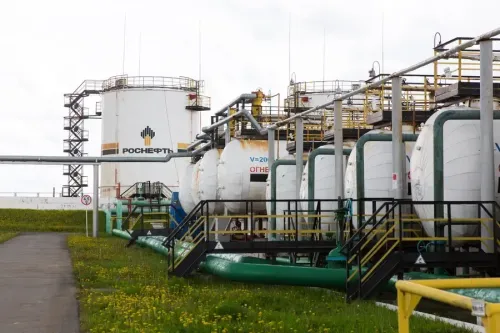
On March 8, Washington (NationPress) reported that the United States has encouraged India to expedite the unloading of over 100 million barrels of Russian crude oil that are currently stranded offshore, awaiting transfer to Chinese refineries. This strategy aims to mitigate escalating oil prices amid the ongoing conflict in Iran, according to Energy Secretary Chris Wright during a television interview.
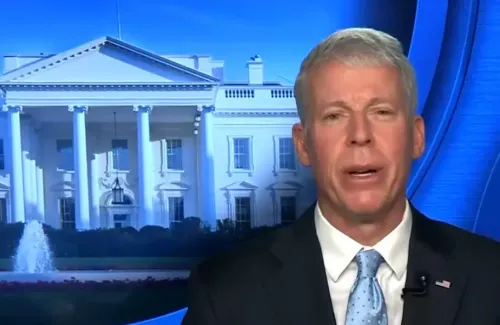
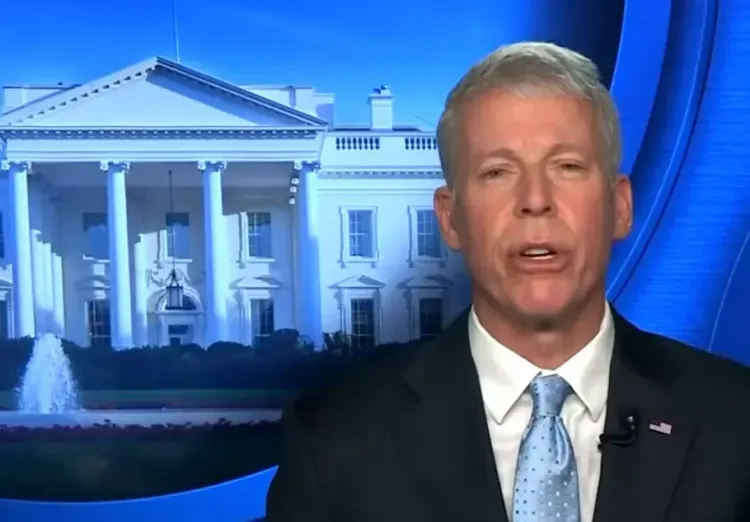
Wright mentioned that the Trump administration has proactively engaged with Indian officials as part of a short-term strategy to stabilize energy markets shaken by disruptions in the Middle East. "I reached out to Indian officials, as did Treasury Secretary Scott Bessent, to highlight the substantial volume of oil that is ready for offloading at Chinese facilities," the Energy Secretary explained.
He further elaborated that there are over 100 million barrels of Russian crude awaiting delivery to China. The proposal suggests redirecting these shipments to Indian refineries to prevent them from sitting idle while awaiting unloading at Chinese ports.
Wright emphasized the urgency of this approach: "Instead of letting the oil sit for weeks, we can expedite its arrival at Indian facilities, easing fears of oil shortages and curbing price spikes in the market," he stated.
This initiative is viewed as a temporary and pragmatic measure, aimed at preventing panic in the global oil markets due to the disruptions caused by the Iran conflict affecting vital shipping routes.
He clarified that this action does not signal a shift in the overall US policy towards Russia: "The United States' stance on Russia remains unchanged," Wright asserted when questioned about whether this move contradicts the US's efforts to reduce dependency on Russian oil.
Wright stated that global oil supplies are currently adequate and that the recent price increases are primarily due to market anxiety and logistical challenges rather than actual shortages. "The global oil supply is ample right now," he added.
Despite ongoing tensions in the Middle East disrupting tanker traffic through the crucial Strait of Hormuz, Wright noted that shipping activities are beginning to resume, although they are still below normal levels. "Traffic isn't back to where it should be yet, and it may take some time to normalize," he remarked. "However, we anticipate that even the worst-case scenario will only see a few weeks of delays, not months."
Point of View
The US's request to India signifies a strategic maneuver to address rising oil prices amidst geopolitical tensions. While it provides immediate relief, it raises questions about long-term energy policies and dependencies.
NationPress
22 Sept 2026
Frequently Asked Questions
What does the US want India to do with the Russian oil?
The US is urging India to expedite the unloading of over 100 million barrels of Russian crude oil that are waiting offshore, to help stabilize rising oil prices.
Why is this move necessary?
This move is deemed necessary due to the ongoing conflict in Iran, which is disrupting oil supply chains and causing market instability.
Will this change US policy towards Russia?
No, Energy Secretary Chris Wright has stated that this action does not represent any shift in the US's broader policy toward Russia.
How is the global oil supply currently?
According to Wright, the global oil supply is adequate, with recent price spikes attributed more to market anxiety than to actual shortages.
What is the situation in the Strait of Hormuz?
Shipping traffic through the Strait of Hormuz has been disrupted but is beginning to resume, although still below normal levels.