US Energy Secretary Urges India to Secure Russian Oil amidst Iran Tensions

Synopsis
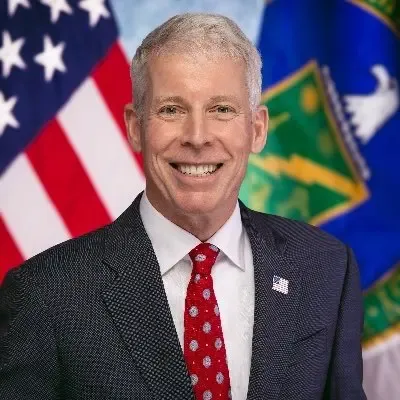
In a strategic move to stabilize global energy markets, US Energy Secretary Chris Wright announced that the US is encouraging India to purchase Russian oil stranded at Chinese refineries, aiming to mitigate the impact of the ongoing conflict with Iran on oil prices.
Key Takeaways
US Energy Secretary Chris Wright encourages India to procure Russian oil .
This request aims to stabilize global oil markets amidst Iranian conflict .
Washington's overall policy towards Russia remains unchanged.
India is diversifying its energy imports significantly.
The Strait of Hormuz remains crucial for global oil supply, facing disruptions.
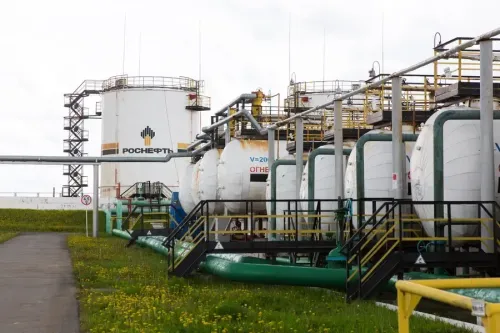
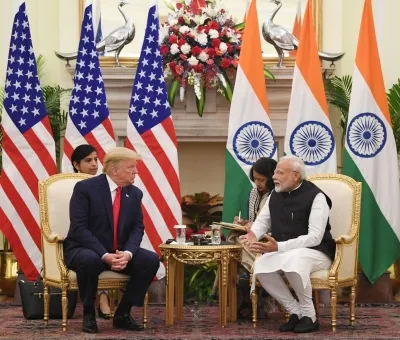
On March 8, in a statement from Washington, US Energy Secretary Chris Wright revealed that the United States has urged India to acquire Russian oil cargoes that were delayed at Chinese refineries. This move aims to stabilize the global energy market amidst the current tensions involving Iran.
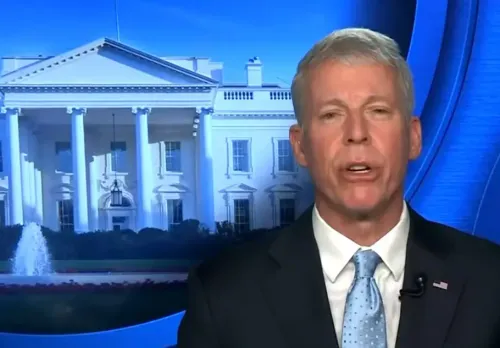
During a CNN interview, Wright explained that the Trump administration had reached out directly to India as part of a strategy to ease the turbulence in oil markets caused by instability in the Middle East.
"I personally contacted Indian officials, along with US Treasury Secretary Scott Bessent, and pointed out the situation with oil waiting to be unloaded in China," he stated.
"Instead of allowing this oil to linger for six weeks at Chinese facilities, the proposal was to expedite its arrival at Indian refineries, thereby alleviating fears of oil shortages and addressing price surges that have been troubling the market," Wright elaborated.
The Energy Secretary emphasized that this initiative is designed to swiftly introduce more crude oil into the global market and mitigate the risk of further price hikes linked to the conflict with Iran.
"This is a practical measure with a limited timeframe," he noted.
Wright also clarified that this temporary flexibility granted to India does not signify a shift in the US's overall strategy towards Russia.
"Our policy regarding Russia remains unchanged," Wright affirmed when questioned about whether this action undermined efforts to decrease dependence on Russian oil.
He acknowledged that India has already been diversifying its energy imports, significantly reducing its reliance on Russian crude.
"India has made it clear that they have replaced all Russian oil imports and have increased their purchases from the United States, Venezuela, and other countries. India has been an excellent partner in this regard," Wright remarked.
The top priority for the US administration is to ensure the stability of global oil supplies as the conflict with Iran continues to obstruct tanker movements through the Strait of Hormuz.
"Currently, the world is adequately supplied with oil," he added.
"While there is some apprehension reflected in market pricing, there is no shortage of oil or natural gas at this moment."
The Strait of Hormuz, a crucial passage for approximately 20% of the world's oil shipments, has faced considerable disruptions since the onset of the conflict, raising alarms about potential shortages and spikes in energy costs.
Wright indicated that while some tanker traffic has resumed, it remains significantly below the normal levels.
"We are far from achieving regular traffic levels, and it will take some time to return to normalcy," he added.
"However, even in the worst-case scenario, we are looking at a few weeks rather than months for recovery."
This situation highlights India's increasing significance in the global energy market as leading economies seek to navigate supply challenges arising from geopolitical conflicts.
Point of View
The United States' request for India to procure Russian oil cargoes reflects a pragmatic approach to managing energy supply amidst ongoing geopolitical tensions. It showcases India's evolving role in the global energy landscape and the complexities involved in balancing international relations and energy security.
NationPress
19 Sept 2026
Frequently Asked Questions
Why did the US ask India to buy Russian oil?
The US requested India to purchase Russian oil cargoes to stabilize global energy markets amid disruptions caused by the conflict with Iran.
How does this affect US-Russia relations?
US Energy Secretary Chris Wright stated that this request does not alter the US's broader policy toward Russia, which remains unchanged.
What is the current status of oil supplies?
Wright emphasized that the world is well supplied with oil currently, despite some market fears.
What geopolitical factors are influencing oil prices?
The ongoing conflict with Iran and disruptions in the Strait of Hormuz are significant factors contributing to fluctuations in oil prices.
How is India responding to international energy demands?
India has been diversifying its energy sources, reducing reliance on Russian crude oil while increasing imports from other nations.