Trump touts record jobs, stock highs in 'America First' push
Synopsis
At the White House on 1 May, President Trump claimed record US employment and historic oil output while tying everything — from a potential Spirit Airlines bailout to car-buying incentives — to his 'America First' doctrine. With fuel prices still high and geopolitical tensions squeezing shipping routes, the gap between the administration's optimism and ground-level pressures is the real story.
Key Takeaways
President Trump on 1 May 2025 cited record US employment and stock market highs from the White House .
He attributed economic growth to "the largest tax cuts in the history of our country" and sweeping deregulation.
Trump acknowledged high fuel prices but predicted they would "tumble" once an ongoing war ends and constrained shipping routes open.
The administration is evaluating a potential bailout for Spirit Airlines , but only "if it's a good deal" for American jobs.
New incentives for buyers of American-made cars include tax deductions on interest payments, part of a broader manufacturing push.
Inflation pressures, geopolitical tensions, and supply chain shifts remain key risks to the US economic outlook.
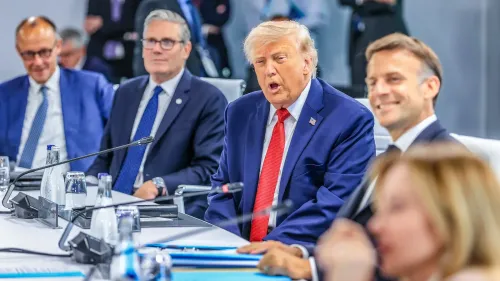
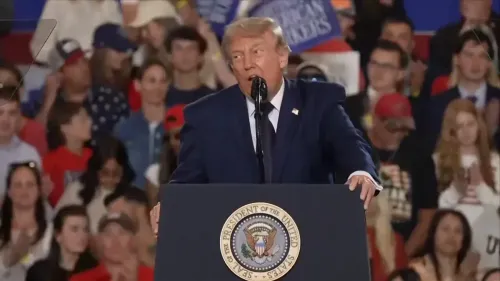
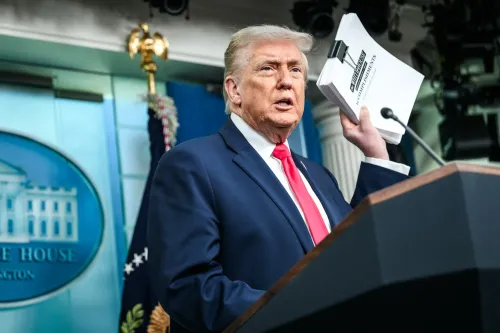
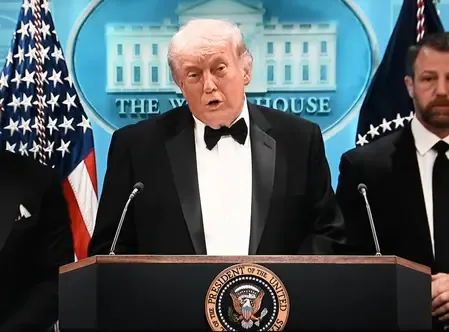
US President Donald Trump on Friday, 1 May highlighted a string of economic indicators at the White House, reiterating his 'America First' doctrine and pointing to record employment levels, stock market gains, and surging domestic energy output as evidence of his administration's economic stewardship.
Key Claims on Jobs and Markets
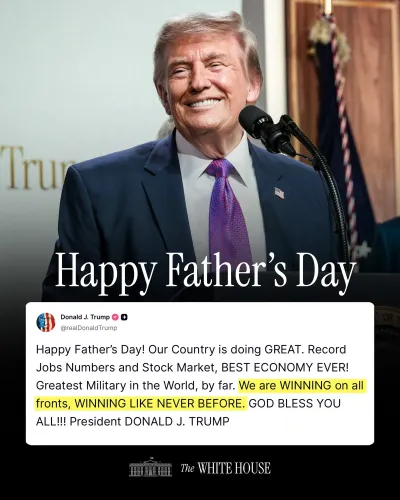
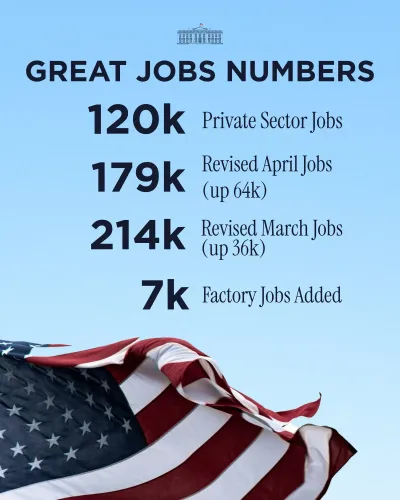
Trump told reporters that the stock market was hitting record numbers and that more Americans were employed than at any point in the country's history. "The stock market is hitting record numbers. We have more people working in the USA today than we've ever had working," he said. He attributed the momentum to sweeping tax cuts and deregulation, calling them "the largest tax cuts in the history of our country."
Economists and independent analysts have noted that while employment figures have remained strong, the precise framing of records requires context — labour force participation and population growth are key variables that complicate direct historical comparisons.
Fuel Prices and Energy Production
When asked about persistently high fuel prices, Trump acknowledged the pressure on consumers but suggested relief was on the horizon. "When the war ends… gasoline prices are going to tumble," he said, pointing to large quantities of oil reportedly unable to move through constrained shipping routes due to ongoing geopolitical tensions.
He also cited domestic energy output as a point of strength. "We have more oil production right now than any time in history," Trump said, adding that major shipments were moving through ports in Texas, Louisiana, and Alaska. Energy prices, supply chain disruptions, and geopolitical uncertainty remain key variables shaping the US economic outlook in the months ahead.
Spirit Airlines and the 'Good Deal' Test
On a potential government intervention for Spirit Airlines, Trump framed any bailout consideration squarely within his 'America First' lens. "We'd like to save the jobs, but only if it's a good deal," he said, indicating the administration was still evaluating its options. The comment signals that federal support — if extended — would come with conditions tied to domestic job preservation.
Manufacturing Incentives and Trade Policy
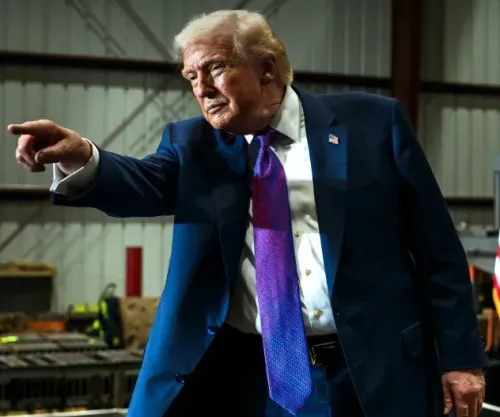
Trump also highlighted new incentives for domestic manufacturing, stating that buyers of American-made cars could benefit from tax deductions on interest payments. He underscored the role of tariffs and trade policy in supporting US industry, tying them directly to job creation and manufacturing growth. "Our country is getting stronger and stronger," he said.
This comes amid ongoing debates over the long-term impact of tariffs on consumer prices and global supply chains, with critics arguing that import levies can offset gains from tax cuts by raising input costs for US manufacturers.
Broader Economic Context
The US economy has demonstrated resilience in recent years, underpinned by robust consumer spending, fiscal stimulus measures, and strong energy production. However, inflation pressures and global uncertainties — including geopolitical tensions affecting shipping routes — continue to shape the near-term outlook. How the administration navigates these variables in the months ahead will be closely watched by markets and trading partners alike.
Point of View
Attributed to tax cuts, with caveats buried in qualifiers like 'when the war ends.' The Spirit Airlines comment is telling: even a potential rescue is being filtered through an ideological lens rather than a systemic one. The deeper tension is that tariffs — central to 'America First' — can raise input costs for the very manufacturers the administration wants to champion. Whether record employment and oil output can sustain momentum against inflation and geopolitical headwinds is a question the White House has not yet answered with policy specifics.
NationPress
24 Sept 2026
Frequently Asked Questions
What economic claims did President Trump make on 1 May 2025?
President Trump claimed that the US stock market was hitting record numbers and that more Americans were employed than at any point in history. He credited the gains to what he called the largest tax cuts in US history and significant deregulation measures.
Why did Trump say gasoline prices would fall?
Trump acknowledged that fuel prices remain high but said relief would come when an ongoing war ends, freeing up large quantities of oil currently unable to move through constrained shipping routes. He did not specify a timeline.
What is the Trump administration's position on bailing out Spirit Airlines?
Trump said the administration would consider a bailout for Spirit Airlines only if it constitutes a 'good deal,' with job preservation as a key condition. No final decision has been announced and options are still being evaluated.
What manufacturing incentives did Trump highlight?
Trump highlighted a tax deduction on interest payments for buyers of American-made cars as part of a broader push to incentivise domestic manufacturing. He also linked tariff policy to job creation and industrial growth.
What risks could affect the US economic outlook?
Despite strong employment and energy output figures, analysts point to persistent inflation pressures, geopolitical tensions affecting global shipping routes, and supply chain disruptions as key variables that could weigh on US economic performance in the months ahead.