Trump vows tougher tariffs on China, calls current levels 'not high enough'
Synopsis
Trump didn't just defend tariffs at the White House — he said they aren't high enough yet. With a China trip and Xi meeting imminent, his remarks signal a deliberate hardening of the US trade posture, even as he framed US-China relations as 'friendly competition'. The gap between that diplomatic language and his escalatory tariff stance is the real story.
Key Takeaways
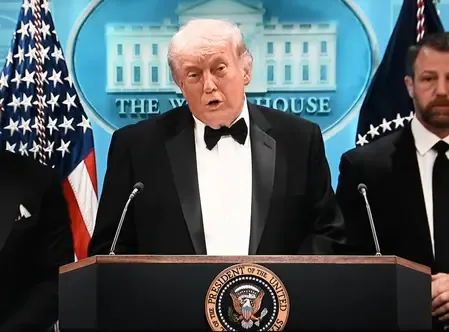
Donald Trump on 5 May declared tariffs a permanent pillar of US trade policy, speaking from the White House .
Trump said current tariff levels are "not high enough" , signalling further escalation against China and other competitors.
He offered companies a tariff exemption if they relocate production to the United States .
Trump linked tariffs to a claimed revival in US manufacturing , citing the auto and furniture sectors.
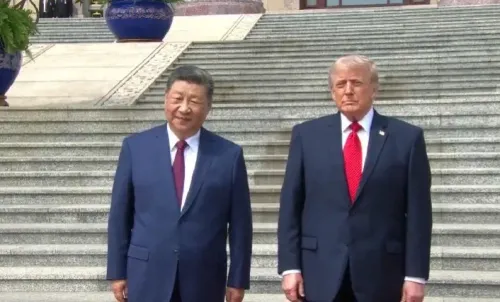
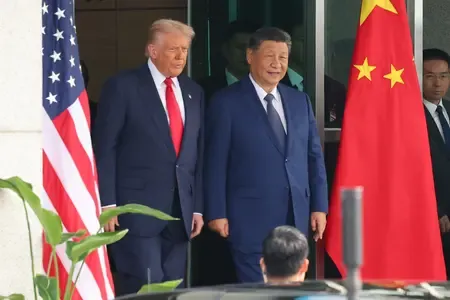
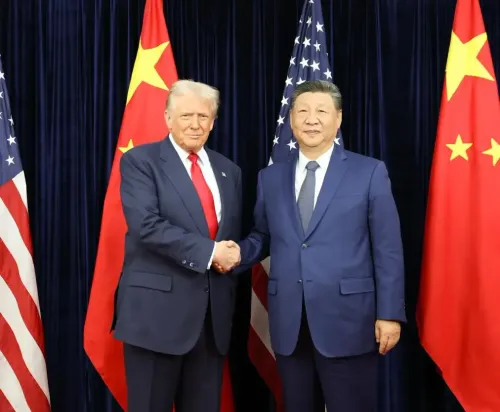
He described US-China ties as "friendly competition" ahead of a planned meeting with President Xi Jinping .
The administration acknowledged legal challenges to tariff orders and said alternative tariffing mechanisms are being prepared.
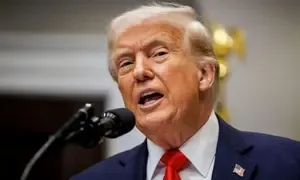
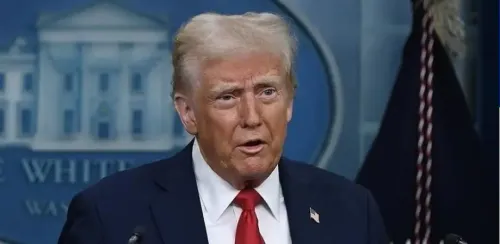
US President Donald Trump on 5 May declared that tariffs would remain the cornerstone of American trade policy, signalling an escalation of measures against China and other countries he accused of undercutting US businesses with cheaper imports. Speaking at the White House, Trump indicated the existing tariff regime may need to go further — and framed the entire push as a manufacturing revival in the making.
Trump's Core Tariff Argument
Trump argued that foreign competitors, particularly China, had long damaged American industry by flooding the market with lower-cost goods. "You're getting hurt by China and other countries making a product that's not as good, but it's less money," he said. He also claimed that tariff revenues had already generated substantial returns for the federal government. "Because of the use of tariffs, we have all this money," Trump said.
Notably, the remarks came ahead of his planned trip to China later this month and a scheduled meeting with Chinese President Xi Jinping — lending particular weight to his choice of language around trade competition.
Current Tariff Levels 'Not High Enough'
In a pointed signal to trading partners, Trump suggested that prevailing tariff rates fall short of what is needed. "The tariffs really aren't high enough in my opinion," he said, pointing to sectors under sustained pressure from foreign competition. He also offered companies a route around tariffs: relocate production to American soil. "If they come in and build a business here… there are no tariffs," he said.
Manufacturing Revival Claims
Trump repeatedly tied the tariff policy to what he described as a broad resurgence in US manufacturing. "We lost our car industry… and they're all coming back," he said. He singled out sectors including furniture and general manufacturing as areas where tariffs would accelerate the return of production. "We're going to bring all the furniture back… you're going to see it," he said. Critics, however, have questioned whether tariff-driven reshoring can materialise at the scale Trump projects, given supply chain dependencies and labour cost differentials.
US-China Framing: Competition, Not Conflict
Despite the tough trade rhetoric, Trump stopped short of characterising the US-China relationship as adversarial. "We're leading China in AI… we have friendly competition," he said — a framing that reflects the diplomatic balancing act ahead of the Xi meeting. He also took direct aim at past administrations. "We've been ripped off in this country for decades," he said, arguing that earlier US governments had systematically failed to defend domestic industries.
Legal Challenges and Alternative Mechanisms
Trump acknowledged that tariff policies have faced legal scrutiny but said the administration had alternative tools available. "We have other ways of tariffing… they're more tested, they're stronger," he said, without elaborating on the specific legal authorities being invoked. The remarks suggest the administration is preparing contingency frameworks in the event that existing tariff orders face judicial setbacks. How those mechanisms hold up in court — and at the negotiating table with Beijing — will shape the next phase of US trade policy.
Frequently Asked Questions
What did Trump say about tariffs on China on 5 May?
Trump said tariffs would remain central to US trade policy and that current levels are 'not high enough', signalling further escalation against China and other countries he accused of undercutting American businesses. The remarks were made at the White House ahead of his planned trip to China.
How can companies avoid Trump's tariffs?
Trump said companies that relocate their production to the United States would face no tariffs. 'If they come in and build a business here… there are no tariffs,' he said, positioning domestic manufacturing as the administration's preferred alternative to import duties.
What is Trump's position on US-China relations?
Despite tough tariff rhetoric, Trump described the US-China relationship as competitive but not adversarial, saying 'we have friendly competition', particularly citing US leadership in artificial intelligence. He is scheduled to meet Chinese President Xi Jinping during his upcoming China visit.
Has Trump faced legal challenges over tariffs?
Yes. Trump acknowledged legal challenges to existing tariff policies and said the administration has 'other ways of tariffing' that are 'more tested' and 'stronger', suggesting contingency mechanisms are being prepared in case current orders face judicial setbacks.
Which sectors did Trump highlight in his tariff remarks?
Trump specifically mentioned the automotive and furniture industries as sectors where tariffs would help bring production back to the United States, claiming the car industry was already returning and that furniture manufacturing would follow.