Over 100 Million Barrels of Russian Oil Awaiting Delivery to China, US Reports
Synopsis
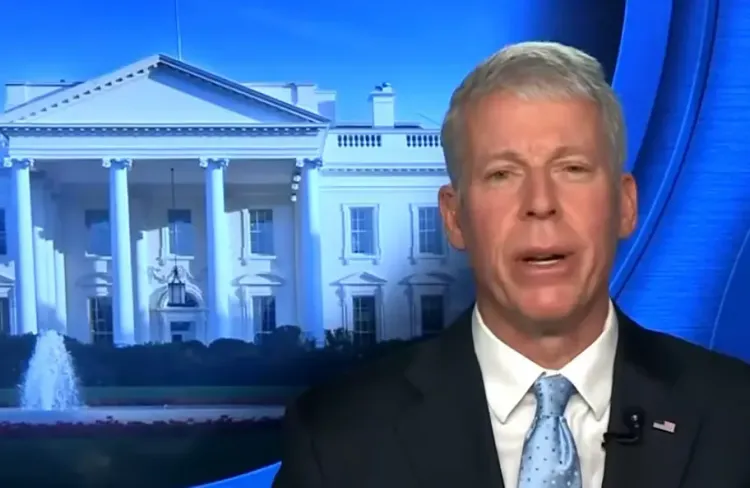
US Energy Secretary Chris Wright reveals that over 100 million barrels of Russian oil are currently floating at sea, potentially alleviating global energy market disruptions. This insight comes amidst ongoing tensions in the region affecting shipping routes and fuel prices.
Key Takeaways
Over 100 million barrels of Russian crude oil are floating at sea.
The US believes redirecting this oil could ease global energy market disruptions.
Current oil price spikes are linked to logistical challenges, not supply shortages.
The US military is focused on maintaining stability in the Strait of Hormuz .
The administration is committed to protecting consumers from rising fuel prices.
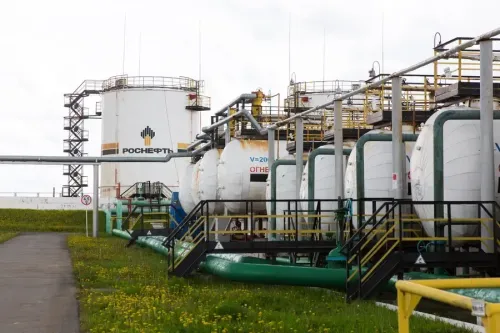
Washington, March 8 (NationPress) US Energy Secretary Chris Wright disclosed on Sunday that over 100 million barrels of Russian crude oil are currently floating at sea, awaiting delivery to China. This backlog, according to the US, has the potential to temporarily alleviate disruptions in the global energy market if redirected to different refineries.
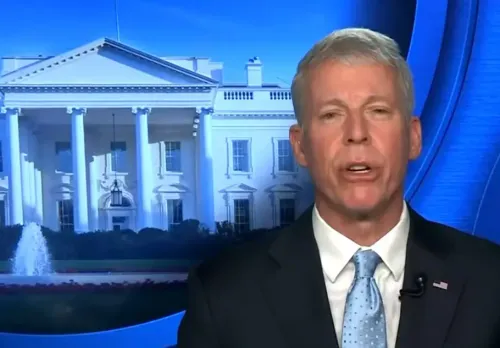
In an interview with CBS News, Wright stated, "There are over 100 million barrels of Russian crude waiting to be delivered to China. These will eventually be sold and refined, but that process may take one to two months."
These remarks come as the global oil market grapples with disruptions linked to ongoing conflicts involving Iran, which have shaken shipping routes and caused fuel prices to surge.
Wright emphasized that the US has taken a pragmatic approach to mitigate the supply dislocation impacting refineries in Asia and Europe. He noted, "With no change in US policy towards Russia, we advised the Indians to utilize that crude in their refineries."
He added, "If you're experiencing a shortage of crude, and prices are rising, draw on that Russian crude that is positioned just offshore."
According to Wright, the recent spike in oil prices is more a result of logistical challenges than an actual scarcity of crude oil. "The world is adequately supplied with oil. There is no energy shortage in the Western Hemisphere," the US Energy Secretary asserted.
He pointed out that while the US is a significant net exporter of oil and natural gas, refineries in Europe and Asia are facing interruptions due to compromised shipping routes and supply chains.
"There are substantial energy reserves globally," Wright stated, adding that the current market reactions stem from emotional responses and fears of a prolonged conflict, which he believes is unlikely.
Wright also mentioned that the US military is focused on restoring stability in the Strait of Hormuz, a crucial oil transit corridor that typically sees nearly 20 million barrels of crude pass through daily.
"All our military resources are directed towards preventing Iran from harming its neighbors, threatening US troops, and endangering shipping traffic in the Strait of Hormuz," he explained.
He noted that the conflict has already diminished Iran's operational capabilities, with missile and drone launches down significantly.
"In the near future, we expect their capacity to be reduced to a level that allows normal shipping traffic to resume in the Strait of Hormuz," Wright predicted.
He added that some early tanker movements may necessitate direct protection from the US military, stating, "Yes, early tanker movements will likely require US military oversight," while clarifying that the US is in communication with shipping operators looking to navigate tankers out of the Gulf.
Wright also indicated that the current administration remains focused on minimizing the crisis's impact on fuel prices. "At this moment, our priorities are addressing the situation with Iran and protecting American consumers," he concluded, emphasizing the need to halt the rise in gasoline and diesel prices.
Point of View
The situation surrounding the backlog of Russian oil presents both challenges and opportunities for the global energy market. The proactive measures suggested by the US indicate a strategic approach to stabilize fuel prices while addressing geopolitical tensions.
NationPress
19 Sept 2026
Frequently Asked Questions
How many barrels of Russian oil are currently floating at sea?
Over 100 million barrels of Russian crude oil are currently floating at sea, awaiting delivery to China.
What impact could the backlog of Russian oil have on global energy prices?
If redirected to other refineries, the backlog could temporarily ease global energy market disruptions and help stabilize prices.
What factors are driving the current spike in oil prices?
The spike in oil prices is primarily driven by logistical disruptions rather than an actual shortage of crude supplies.
What is the US military's role in the current situation?
The US military is focused on ensuring stability in the Strait of Hormuz, a critical oil transit route, amidst ongoing regional tensions.
How is the US responding to the energy crisis?
The US is engaging with international partners and advising them to utilize available Russian crude to mitigate supply disruptions.