G7 Finance Ministers to Explore Joint Emergency Oil Reserve Release Amid Rising Prices
Synopsis
In light of escalating oil prices due to Gulf conflicts, G7 finance ministers will convene to discuss a coordinated emergency release of oil reserves. This meeting aims to address the pressing impact on global energy markets, with significant implications for the economy.
Key Takeaways
G7 finance ministers will discuss oil reserve releases.
Meeting scheduled for Monday at 8:30 AM NY time .
Potential release of 300-400 million barrels being considered.
This would represent 25-30% of IEA reserves .
Emergency reserves were created post- 1974 Arab oil embargo .
New Delhi, March 9 (NationPress) The finance ministers of the Group of Seven (G7) nations are set to engage in discussions regarding a potential synchronized release of emergency oil reserves during a conference call scheduled for Monday, following a rise in oil prices due to the ongoing conflict in the Gulf, according to reports.
The conference is anticipated to take place at 8:30 AM New York time (approximately 7 PM local time) and will include Fatih Birol, the executive director of the International Energy Agency (IEA), as per insights from individuals familiar with the situation, as reported by the Financial Times.
The agenda will primarily center on the repercussions of the war involving Iran on the global energy landscape. So far, three G7 nations, including the United States, have shown their backing for a plan to release oil from strategic reserves, according to sources involved in the dialogue.
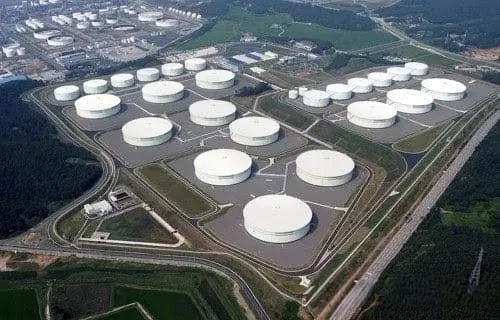
Additionally, the report indicated that certain US policymakers are considering a coordinated release of around 300 million to 400 million barrels as a viable option.
This figure would account for approximately 25 to 30 percent of the 1.2 billion barrels that IEA member countries currently maintain in their strategic reserves, as noted by The Financial Times.
Emergency oil stockpiles were created following the establishment of the IEA in 1974, which was a response to the Arab oil embargo that led to global fuel shortages and significant price surges.
Members of the IEA are mandated to keep strategic reserves as part of a collective framework intended to address severe oil supply disruptions.
There have been five coordinated releases of emergency oil reserves by IEA member nations since the organization was formed, with the most recent instance occurring in 2022, in response to the spike in energy prices triggered by the Russian invasion of Ukraine.
Prior to the forthcoming meeting, the IEA conducted an emergency discussion last week to explore possible responses to the emerging supply crisis, as reported by the Financial Times.
A document prepared for this meeting confirmed that the IEA is “prepared to act to ensure the stability of oil markets.”
Point of View
It's crucial to recognize the G7's proactive stance in addressing the rising oil prices due to geopolitical tensions. The potential coordinated release from strategic reserves reflects a commitment to stabilize global energy markets and mitigate economic impacts. This meeting underscores the interconnectedness of international politics and economic stability.
NationPress
20 Sept 2026
Frequently Asked Questions
What is the purpose of the G7 meeting?
The G7 meeting aims to discuss a coordinated release of emergency oil reserves in response to rising oil prices due to the Gulf conflict.
How much oil might be released?
Reports suggest that US policymakers are considering a coordinated release of approximately 300 million to 400 million barrels.
When is the G7 meeting taking place?
The G7 conference call is scheduled for Monday at 8:30 AM New York time.
Why were emergency oil stockpiles created?
Emergency oil stockpiles were established in response to the 1974 Arab oil embargo, which caused widespread fuel shortages and price increases.
What is the role of the International Energy Agency (IEA)?
The IEA oversees the maintenance of strategic oil reserves among its member countries, aimed at responding to severe disruptions in oil supply.