IEA Leader Warns Global Economy Vulnerable Amid Middle East Tensions
Synopsis
As the Middle East crisis deepens, IEA chief Fatih Birol warns that no nation is safe from the economic fallout. Discover how escalating tensions could disrupt global oil supplies and impact economies worldwide.
Key Takeaways
IEA Chief Fatih Birol warns of significant threats to the global economy due to Middle East tensions.
The conflict has led to the largest supply disruption in global oil history.
Shipping through the Strait of Hormuz has been severely impacted.
The IEA recommends demand-side actions to mitigate economic impacts.
No nation will be immune from the consequences of this crisis.
New Delhi, March 23 (NationPress) The head of the International Energy Agency (IEA), Fatih Birol, has issued a stark warning that the global economy is under significant threat due to the energy chaos stemming from the rising tensions in the Middle East.
Birol emphasized that the ongoing situation in the West Asia region poses severe risks for economies around the globe.
"The global economy is currently facing a profound threat, and I sincerely hope that this issue can be resolved swiftly," Birol stated during a media engagement in Australia.
He highlighted that the repercussions of the crisis will not be confined to a select few nations, asserting that "no country will be shielded from the consequences of this situation."
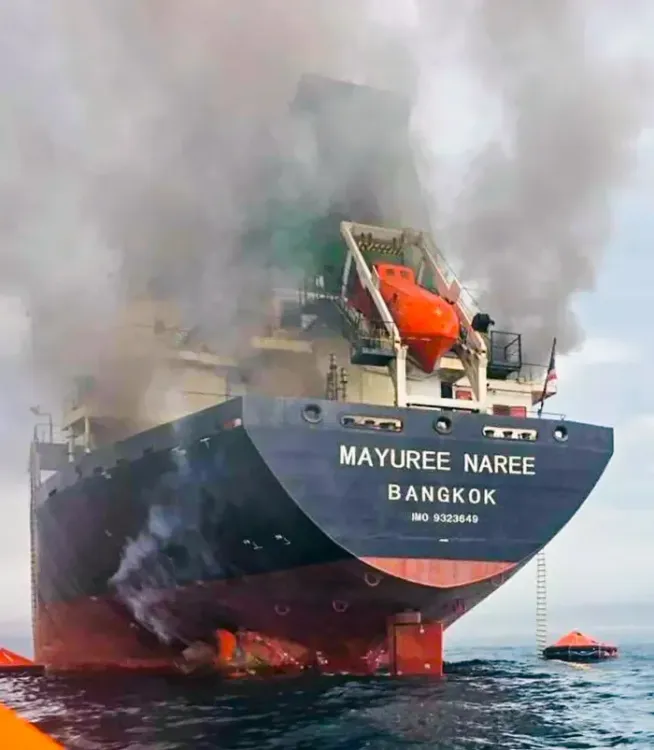
The ongoing conflict has caused an unprecedented supply disruption in the global oil market, significantly affecting shipping routes through the Strait of Hormuz, which typically accounts for about 20% of the world's oil consumption, reducing traffic to a mere trickle.
Normally, approximately 20 million barrels of crude oil and petroleum products pass through this vital waterway each day.
In response, Iran's Foreign Ministry has stated that the Strait of Hormuz remains open for navigation, with appropriate measures implemented in light of wartime conditions.
The ministry further affirmed Iran’s commitment to upholding the principles of free navigation and maritime safety, noting their efforts over the years to maintain these standards.
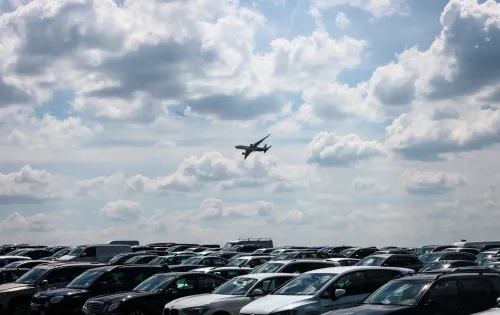
Last week, the IEA proposed a variety of demand-side measures—including telecommuting and minimizing air travel—for governments, businesses, and households to mitigate the economic impact on consumers.
Among the immediate recommendations to cut demand is to encourage remote work wherever feasible, which could decrease oil consumption linked to commuting, especially in roles suitable for telecommuting. Additionally, transitioning to modern cooking methods is advised to lessen reliance on LPG, as highlighted in the report.
Birol remarked, "The conflict in the Middle East is instigating a considerable energy crisis, marked by the largest supply disruption in the history of the global oil market. Without a prompt resolution, the ramifications for energy markets and economies are poised to escalate dramatically."
Point of View
It is imperative to recognize the intricate relationship between geopolitical tensions and global economic stability. The warnings from the IEA highlight a concern that transcends borders, reminding us of the interconnectedness of our economies.
NationPress
24 Sept 2026
Frequently Asked Questions
What is the current situation in the Middle East affecting global oil?
The ongoing tensions in the Middle East have led to significant supply disruptions in the global oil market, particularly affecting shipping through the Strait of Hormuz.
How much oil typically transits through the Strait of Hormuz?
Around 20 million barrels of crude oil and oil products usually pass through the Strait of Hormuz each day.
What recommendations did the IEA make to mitigate the crisis?
The IEA suggested measures such as working from home and exploring alternative cooking methods to reduce demand for oil.
Is the Strait of Hormuz currently blocked?
No, Iran's Foreign Ministry has stated that the Strait of Hormuz remains open for navigation, although wartime conditions have necessitated certain precautions.
What are the potential impacts of the Middle East conflict on global economies?
The conflict could lead to severe economic repercussions worldwide, as no country is expected to be immune from the fallout.