IEA Chief Warns of Extensive Damage to Oil and Gas Assets in West Asia Conflict
Synopsis
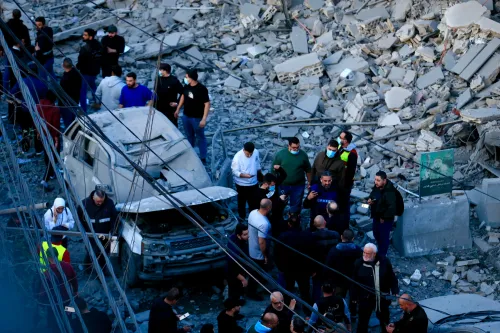
The ongoing conflict in West Asia has led to significant damage to over 40 energy assets, with dire implications for global oil and gas supplies, warns IEA Executive Director Fatih Birol. The repercussions could reverberate across the global economy.
Key Takeaways
Over 40 energy assets damaged in West Asia due to conflict.
Current oil supply loss is approximately 11 million barrels per day.
IEA plans to release 400 million barrels from reserves to mitigate impacts.
Critical sectors such as petrochemicals are also affected.
Reopening the Strait of Hormuz is essential for resolving supply issues.
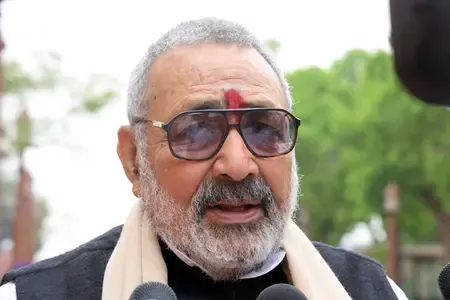
New Delhi, March 23 (NationPress) More than 40 energy infrastructure assets across nine nations in West Asia have suffered severe damage as a result of the ongoing conflict involving Iran, according to Fatih Birol, Executive Director of the International Energy Agency (IEA). He warned in Canberra that there would be no country spared from the repercussions of disrupted oil and gas supplies.
Birol noted, "The impact of these disruptions in West Asia is akin to the combined effects of the two major oil crises in the 1970s and the 2022 natural gas crisis that followed Russia's invasion of Ukraine."
Speaking to reporters at the National Press Club in Australia, he highlighted that while the oil crises of the 1970s caused a total loss of around 10 million barrels per day, the current situation has already led to a loss of approximately 11 million barrels per day.
Birol elaborated that the crisis extends beyond oil and gas, affecting critical sectors of the global economy, including petrochemicals, fertilizers, sulfur, and helium, all of which are currently facing trade interruptions that could have dire consequences for the global economy.
In early March, the IEA announced plans to release a historic 400 million barrels from its emergency oil reserves to mitigate supply shocks and reduce soaring prices triggered by the conflict in West Asia.
Additionally, Birol mentioned that the IEA is in talks with governments in Asia and Europe about the potential release of more oil if the situation demands it. However, he pointed out that with shipping through the Strait of Hormuz nearly at a standstill due to the war, the only viable solution to the fuel supply crisis is to reopen this vital trade route.
He cautioned that the global economy is facing a significant threat if the crisis continues to escalate.
Point of View
It is crucial to emphasize that the ongoing conflict in West Asia poses a serious threat to global energy supplies and economic stability. The insights from IEA Executive Director Fatih Birol highlight the urgent need for international attention and action to mitigate these impacts.
NationPress
24 Sept 2026
Frequently Asked Questions
What caused the damage to energy assets in West Asia?
The damage is primarily due to the ongoing conflict involving Iran, which has severely disrupted oil and gas supplies across the region.
How many barrels of oil are being lost daily due to the disruptions?
The current situation has led to a loss of approximately 11 million barrels of oil per day.
What is the IEA's response to the situation?
The IEA has announced plans to release 400 million barrels from emergency reserves to alleviate supply shocks and rising prices.
Which sectors are affected by the conflict beyond oil and gas?
The conflict is also impacting sectors such as petrochemicals, fertilizers, sulfur, and helium.
What is the significance of the Strait of Hormuz in this context?
The Strait of Hormuz is a critical trade route, and its disruption due to the conflict is exacerbating fuel supply issues.