EAM Jaishankar Connects with German FM Wadephul on Rising West Asia Tensions
Synopsis
In a crucial dialogue, EAM Jaishankar and German FM Wadephul addressed the escalating conflict in West Asia, emphasizing the need for de-escalation and stability in global markets. This engagement highlights India's proactive role amidst regional tensions.
Key Takeaways
EAM Jaishankar and German FM Wadephul discussed the escalating conflict in West Asia .
The dialogue aims at promoting immediate de-escalation and ensuring market stability.
The conflict was triggered by US-Israel strikes on Iran.
The Strait of Hormuz is crucial for oil transit and global energy security.
India remains proactive in regional diplomacy and communication.
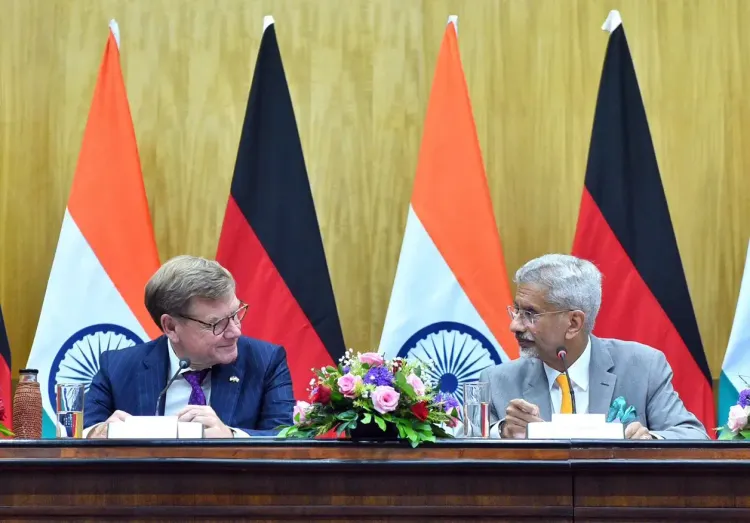
New Delhi, March 10 (NationPress) External Affairs Minister (EAM) S Jaishankar engaged in a telephonic dialogue with his German counterpart, Johann Wadephul, on Tuesday in light of the escalating conflict in West Asia.
"I discussed the ongoing situation in West Asia with FM Johann Wadephul of Germany," EAM Jaishankar shared on X following their conversation.
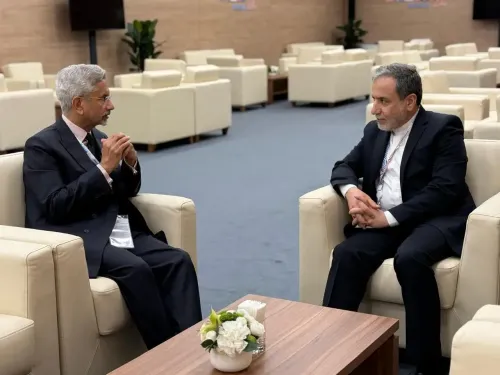
Recently, EAM Jaishankar has been in communication with various foreign ministers, including those from Italy, Oman, and Iran, as India remains actively involved with regional governments and key partners amidst the heightened security tensions in West Asia.
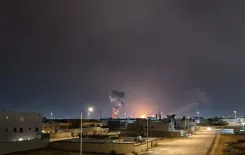
The unrest erupted following the coordinated US-Israel strikes on Iran on February 28, which prompted Iran to retaliate with drone and missile assaults targeting US assets, allied forces, and regional capitals.
On Monday, Jaishankar connected with Italian Foreign Minister Antonio Tajani to deliberate on the situation in West Asia. Tajani expressed that both he and EAM Jaishankar are committed to coordinating efforts to facilitate an immediate de-escalation, safeguard freedom of navigation, and maintain the stability of global markets.
Tajani highlighted that the partial blockade of the Strait of Hormuz poses a significant threat to energy security and the economic stability of both Italy and India.
The Strait of Hormuz serves as a narrow passage linking the Gulf to the Arabian Sea and is recognized as one of the world’s most critical oil transit chokepoints. A substantial portion of crude exports from Gulf nations traverses this route, making any threats to it a significant concern for international energy markets.
"I had a conversation with India's Minister, Dr. S Jaishankar, to review developments in the Gulf and the broader Middle Eastern region. Europe and India share a strategic partnership; the partial blockade of the Strait of Hormuz poses serious risks to our energy security and economic stability. We expressed mutual concerns regarding strategic implications and the safety of our citizens in the region. In light of this, we aim to align our actions to foster immediate de-escalation, guarantee freedom of navigation, and uphold international market stability—conditions essential for the effective implementation of the EU-India free trade agreement," Tajani posted on X.
"This crisis highlights the urgent need to enhance investments in new infrastructure and secure trade routes: the IMEC corridor exemplifies this. To advance this initiative, we will launch a political and economic initiative on March 17 in Trieste, aimed at strengthening our trade, digital, and energy ties, thereby creating an economic space that benefits our businesses," he added.
Point of View
The dialogue between EAM Jaishankar and German FM Wadephul reflects a proactive approach to diplomacy. India’s engagement with multiple nations underscores its strategic role in addressing regional conflicts and ensuring global stability.
NationPress
20 Sept 2026
Frequently Asked Questions
What is the main topic of conversation between EAM Jaishankar and FM Wadephul?
The main topic of their conversation was the ongoing conflict in West Asia, with a focus on promoting de-escalation and ensuring market stability.
What triggered the recent conflict in West Asia?
The conflict began following US-Israel strikes on Iran on February 28, which led to retaliatory attacks by Iran.
Why is the Strait of Hormuz significant?
The Strait of Hormuz is a critical oil transit chokepoint, with a large share of crude exports from Gulf producers passing through it, making it vital for global energy security.
How is India involved in the West Asia conflict?
India is actively engaging with various nations in the region to maintain communication and coordinate responses to the escalating tensions.
What initiatives are being discussed to enhance stability?
Both ministers discussed the need for immediate de-escalation and the importance of safeguarding energy security and economic stability through coordinated actions.