EAM Jaishankar Engages with Iranian Ambassador on West Asia Crisis
Synopsis
In a crucial meeting, EAM Jaishankar and Iranian Ambassador Dr. Mohammad Fathali discussed the escalating West Asia conflict and India's diplomatic efforts to ensure the safety of its nationals. The conversation comes as Prime Minister Modi also engages with Iranian leadership amidst rising tensions.
Key Takeaways
EAM Jaishankar emphasized the importance of dialogue in addressing the West Asia conflict.
PM Modi condemned attacks on critical infrastructure affecting regional stability.
India's ongoing diplomatic outreach aims to ensure the safety of its nationals abroad.
The discussions reflect India's commitment to fostering peace in a volatile region.
India's firm stance against civilian attacks highlights its humanitarian approach.
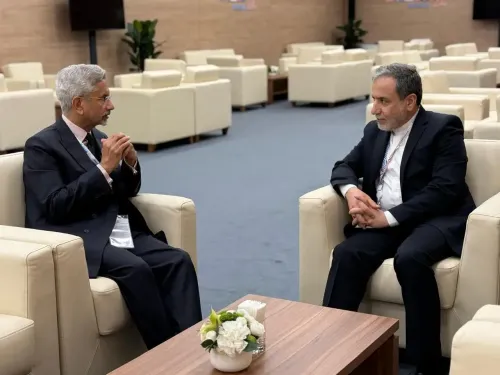
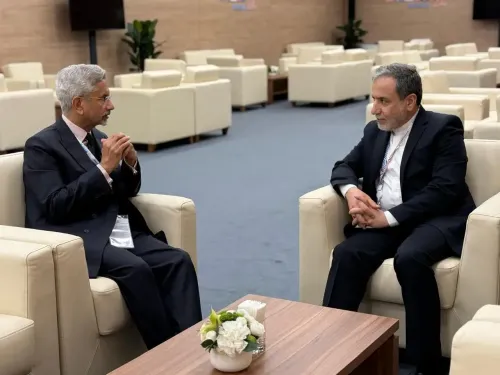
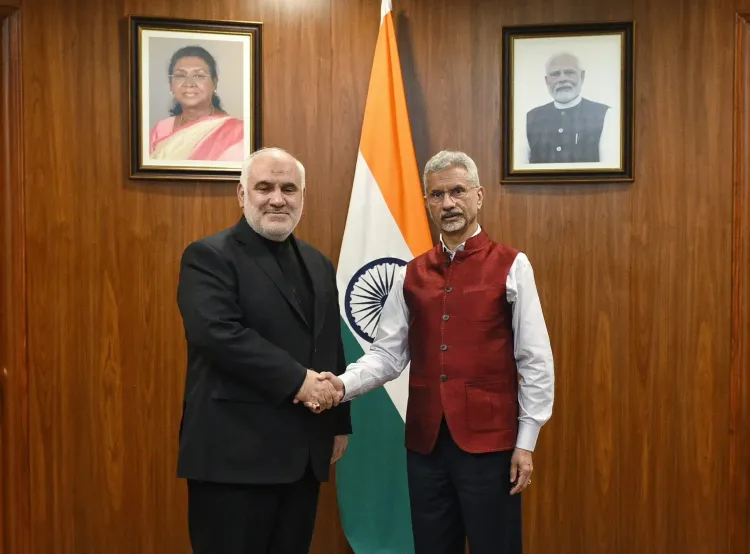
New Delhi, March 24 (NationPress) External Affairs Minister (EAM) S. Jaishankar engaged in discussions with the Iranian Ambassador in New Delhi on Tuesday, centering around the current turmoil in West Asia.
"I met with Dr. Mohammad Fathali, Iran's Ambassador to India, this afternoon to discuss the escalating conflict in West Asia. I value the assistance extended to Indian nationals in Iran during these trying times," EAM Jaishankar posted on X following their meeting.
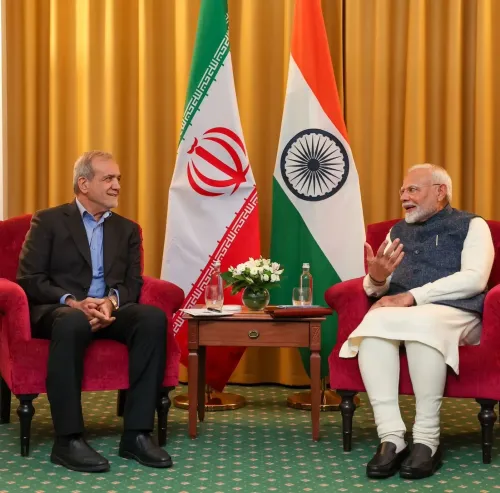
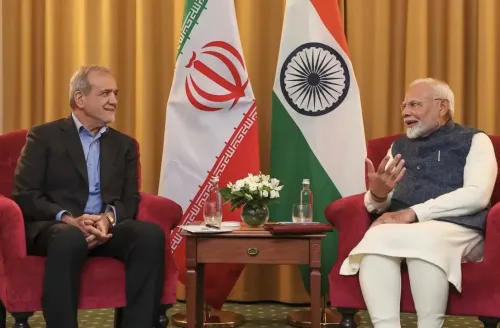
Last week, Prime Minister Narendra Modi had a conversation with Iranian President Masoud Pezeshkian, addressing regional developments and the potential for bilateral collaboration.
During this conversation, PM Modi expressed his heartfelt greetings to President Pezeshkian in light of the festive occasions of Eid and Nowruz. Both leaders shared the aspiration that these celebrations would mark the beginning of a new era of peace, stability, and prosperity for the West Asian region.
In the call, PM Modi condemned the recent assaults on vital infrastructure in the area, emphasizing that such actions jeopardize regional stability and disrupt crucial global supply chains. He reiterated the importance of protecting the freedom of navigation and ensuring the security of international shipping routes. PM Modi also expressed gratitude for Iran's ongoing support in safeguarding the welfare of Indian citizens residing there.
"I spoke with President Dr. Masoud Pezeshkian and conveyed Eid and Nowruz wishes. We collectively hope that this festive season brings peace, stability, and prosperity to West Asia. I condemned the attacks on critical infrastructure in the region, which endanger stability and disrupt global trade. I reaffirmed the need to protect freedom of navigation and ensure the safety of shipping lanes. I appreciate Iran’s consistent support for Indian nationals in Iran," PM Modi shared on X after his conversation with the Iranian President.
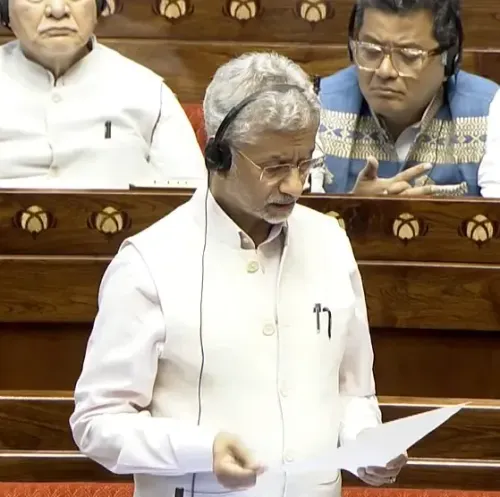
On Tuesday, Prime Minister Modi addressed the Rajya Sabha, outlining the government's stance on the situation stemming from the ongoing conflict in West Asia. He noted that the war, which has continued for over three weeks, has triggered a significant global energy crisis with troubling repercussions for India, disrupting trade routes and affecting the steady supply of essential goods such as petrol, diesel, gas, and fertilizers.
Detailing India's proactive diplomatic efforts since the onset of hostilities, he revealed that he personally engaged in two rounds of telephone discussions with leaders from various West Asian nations. Modi emphasized that India remains in constant communication with all Gulf states, alongside Iran, Israel, and the United States, aiming to restore peace in the region through dialogue and diplomacy. Discussions regarding de-escalation and the reopening of the Strait of Hormuz have been specifically prioritized.
Highlighting India's unwavering position, PM Modi asserted that attacks on commercial vessels and the obstruction of international waterways, such as the Strait of Hormuz, are intolerable. He firmly denounced all attacks on civilians, civil infrastructure, and energy-related facilities.
"Any threat to human life in this conflict is against the very essence of humanity, and thus, India’s ongoing efforts are directed towards encouraging all parties to achieve a peaceful resolution as soon as possible," PM Modi remarked on Tuesday.
Point of View
The discussions between EAM Jaishankar and the Iranian Ambassador underscore India's proactive diplomatic engagement in a volatile region. It highlights the importance of dialogue in addressing conflicts that not only affect the countries involved but also have broader implications for global stability and security.
NationPress
24 Sept 2026
Frequently Asked Questions
What was the main focus of EAM Jaishankar's meeting with the Iranian Ambassador?
The primary focus was the ongoing conflict in West Asia and the support for Indian nationals in Iran during these challenging times.
What did PM Modi discuss with Iranian President Pezeshkian?
PM Modi discussed regional developments, bilateral cooperation, and conveyed festive greetings for Eid and Nowruz, emphasizing a shared hope for peace and stability.
What concerns did PM Modi express regarding the conflict?
PM Modi condemned the attacks on critical infrastructure and highlighted the disruption to global supply chains and India's essential commodity supplies.
How has India responded diplomatically to the conflict?
India has engaged in continuous dialogue with various West Asian nations and emphasized the importance of restoring peace through diplomatic channels.
What is India's stance on attacks affecting civilians?
India categorically opposes attacks on civilians and civil infrastructure, advocating for a peaceful resolution to the conflict.