PM Modi Engages with Iran's President: A Call for Peace and Security in West Asia
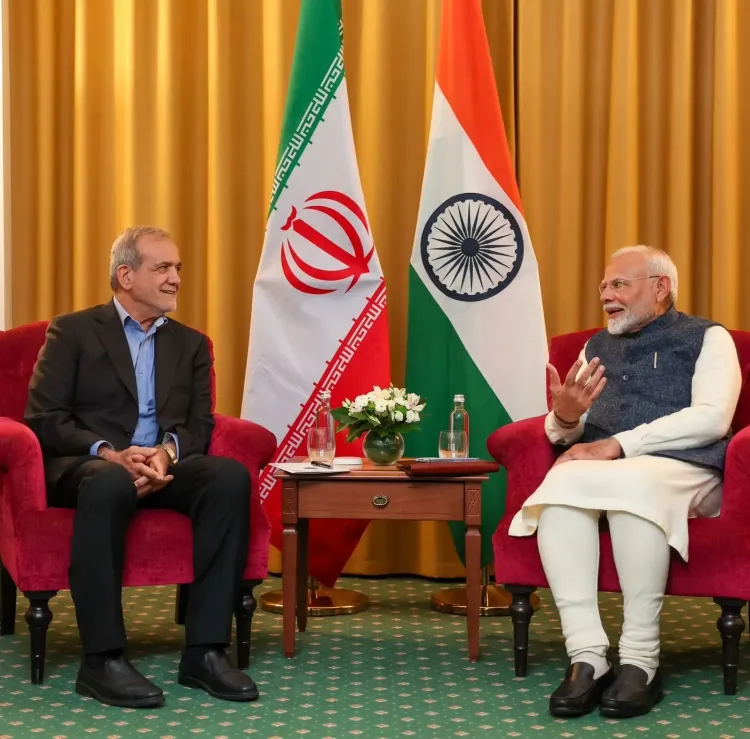
Synopsis
In a recent phone call, Prime Minister Modi and Iran's President discussed security concerns in the West Asia region, emphasizing the need for peace, stable infrastructure, and open shipping lanes. This conversation marks a significant diplomatic engagement amid rising tensions.
Key Takeaways
PM Modi and President Pezeshkian discussed security in West Asia.
Modi condemned attacks on critical infrastructure .
Importance of protecting freedom of navigation was emphasized.
India-flagged tankers can now pass through the Strait of Hormuz .
Dialogue and diplomacy were highlighted as essential for regional stability.
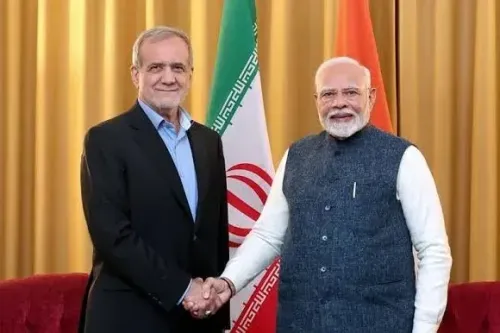
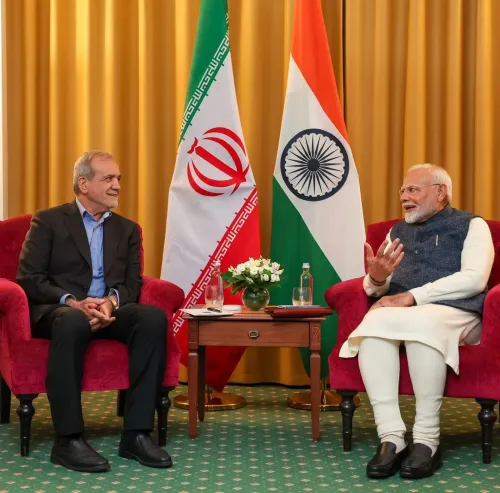
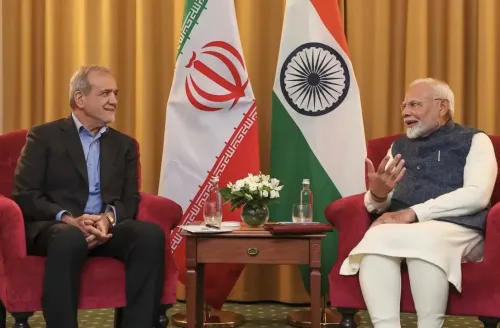
New Delhi, March 21 (NationPress) On Saturday, Prime Minister Narendra Modi engaged in a phone conversation with Iran's President Masoud Pezeshkian, extending heartfelt Eid and Nowruz greetings while addressing the prevailing security concerns in the West Asia region.
In the dialogue, PM Modi strongly denounced the attacks on critical infrastructure within the area, emphasizing the essential need to protect the freedom of navigation and to ensure the security of shipping lanes.
This marks the second instance in just ten days that PM Modi has reached out to the Iranian President.
“I spoke with President Dr. Masoud Pezeshkian to deliver Eid and Nowruz wishes. We expressed our hopes that this festive time ushers in peace, stability, and prosperity for West Asia. I condemned the assaults on critical infrastructure in the region that jeopardize both regional stability and global supply chains,” PM Modi shared on platform X following their conversation.
“I reiterated the necessity of maintaining freedom of navigation and ensuring that shipping lanes stay open and secure. I also appreciated Iran’s ongoing commitment to the safety and security of Indian nationals residing in Iran,” added Prime Minister Modi.
Earlier, both leaders had communicated on March 12, where PM Modi raised concerns over rising tensions in the region, highlighting civilian casualties and infrastructural damage. He reaffirmed India’s steadfast stance that all matters should be resolved through dialogue and diplomacy.
Moreover, PM Modi stressed the importance of uninterrupted transit for goods and energy, noting that any disruptions could have extensive repercussions for India’s economy and the region's stability.
Pezeshkian subsequently updated PM Modi about the situation in Iran and shared insights on recent regional developments.
Following their discussions, Iran has permitted Indian-flagged tankers to navigate through the Strait of Hormuz.
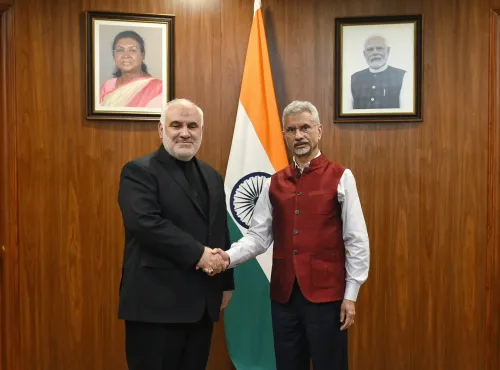
External Affairs Minister (EAM) S. Jaishankar and Iranian Foreign Minister Seyed Abbas Araghchi have also engaged in multiple discussions over the past few weeks, particularly since the conflict erupted on February 28.
In addition to evaluating the current security landscape in the region, the ministers explored topics related to shipping safety, bilateral cooperation, and BRICS issues, where India serves as chair and Iran is a participant.
Earlier this week, Finnish President Alexander Stubb proposed that India could play a crucial diplomatic role in alleviating tensions between the United States and Iran.
In a recent interview with Bloomberg, Stubb emphasized that global efforts should concentrate on ceasing hostilities and facilitating dialogue, noting that India could significantly contribute to diplomatic initiatives aimed at de-escalation.
“A ceasefire is essential... I wonder if India can indeed intervene. We observed Foreign Minister Jaishankar advocating for a ceasefire to stabilize the situation,” he remarked.
Point of View
This engagement reflects India's proactive approach to fostering diplomatic ties and addressing regional security challenges. Prime Minister Modi's outreach signifies a commitment to maintaining stability in West Asia, crucial for both regional and global interests.
NationPress
23 Sept 2026
Frequently Asked Questions
What was the main purpose of PM Modi's call with President Pezeshkian?
The call aimed to extend Eid and Nowruz greetings while discussing the current security situation and condemning attacks on critical infrastructure in West Asia.
How many times have PM Modi and President Pezeshkian spoken recently?
This was their second conversation within a span of ten days.
What did PM Modi emphasize regarding shipping lanes?
He stressed the importance of safeguarding freedom of navigation and ensuring that shipping lanes remain open and secure.
What significant development followed the talks between the two leaders?
Iran allowed Indian-flagged tankers to pass through the Strait of Hormuz following their discussions.
What broader regional concerns were addressed in the discussions?
The discussions focused on the escalation of tensions, the loss of civilian lives, and the need for dialogue to resolve issues.