PM Modi Addresses Concerns with Iranian President Amid West Asia Turmoil
Synopsis
In a vital dialogue, PM Modi communicates with Iranian President Pezeshkian, addressing the escalating tensions in West Asia. Emphasizing the safety of Indian nationals and the importance of energy transit, he underscores India's commitment to peace and stability in the region.
Key Takeaways
PM Modi communicates with Iranian President amid escalating tensions.
Safety of Indian nationals is a top priority for the government.
Unhindered transit of goods and energy is crucial for regional stability.
India emphasizes diplomacy and dialogue to prevent further conflict.
Recent events have heightened the urgency for diplomatic engagement.
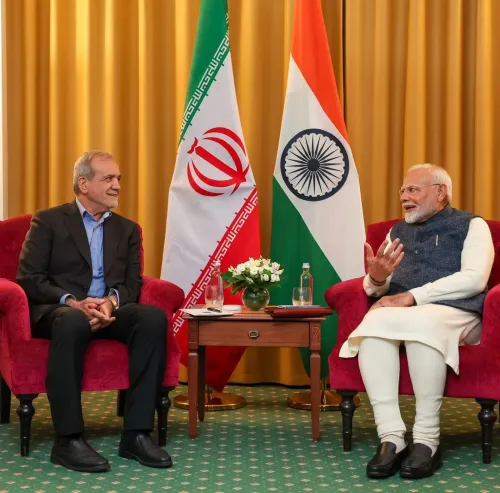
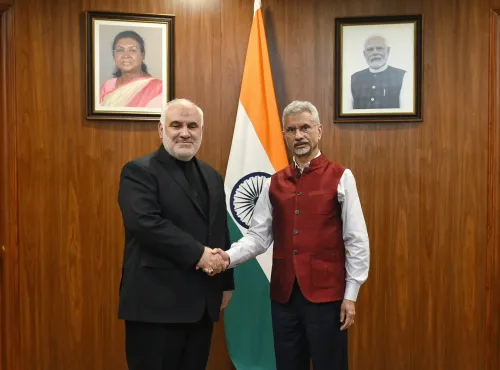
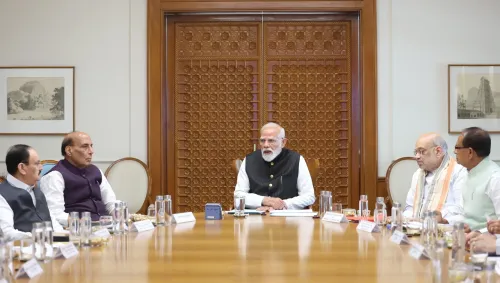
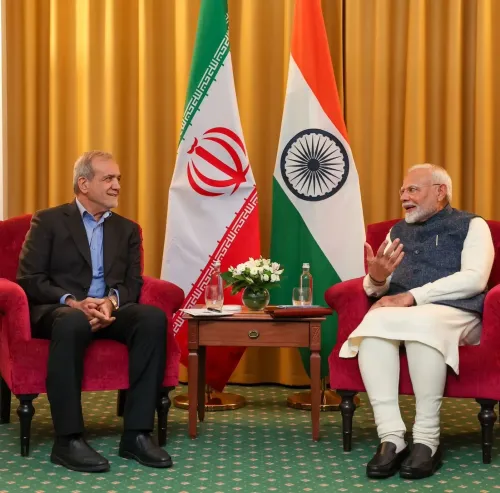
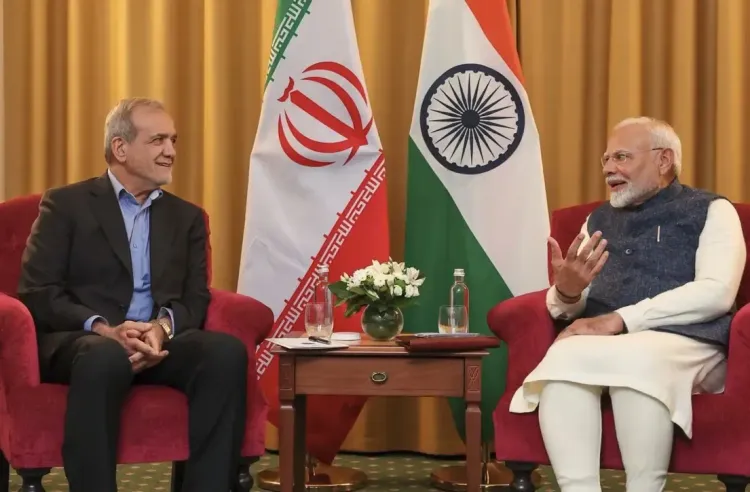
New Delhi, March 12 (NationPress) Prime Minister Narendra Modi engaged in a conversation with Iranian President Masoud Pezeshkian to assess the critical situation developing in the West Asia region.
In a message posted on X, PM Modi expressed his worries regarding the rising tensions, emphasizing the tragic loss of civilian lives and damage to vital infrastructure.
He reaffirmed that the protection of Indian citizens remains the government's top priority.
The Prime Minister underscored the necessity of smooth transit for goods and energy, cautioning that any disruptions could have significant consequences for India's economy and regional stability.
"The safety and security of Indian nationals, along with the imperative for uninterrupted transit of goods and energy, are paramount for India," he stated.
PM Modi reiterated India's dedication to peace and stability, urging all parties to engage in constructive dialogue and diplomacy.
He highlighted that de-escalation and proactive engagement are crucial to avoid further escalation of the situation.
By tagging President Pezeshkian in his message, PM Modi emphasized the significance of direct communication between New Delhi and Tehran.
This outreach reflects India’s strategic approach to safeguard its citizens abroad, ensure energy supplies, and maintain diplomatic relations amidst rising geopolitical tensions.
The Prime Minister's comments emerge at a time when regional unrest has raised alarms concerning security, trade routes, and the well-being of expatriates.
India has consistently positioned itself as a proponent of dialogue in West Asia, advocating for restraint and peaceful conflict resolution.
The ties between India and Iran are rooted in deep cultural and economic connections, with energy cooperation at their core.
Iran has long served as a vital supplier of crude oil to India, while the Chabahar Port project provides New Delhi with a strategic gateway for trade and connectivity.
Instability in West Asia directly impacts India's energy security and its extensive diaspora.
New Delhi has repeatedly emphasized the importance of diplomacy and dialogue, striving to balance its national interests with its role as a stakeholder in regional peace.
In February, Iran’s Supreme Leader Ayatollah Ali Khamenei was killed by Israel in a targeted attack on Tehran.
This assassination has sparked widespread mourning, escalated regional tensions, and raised concerns about a broader conflict across West Asia.
Point of View
The ongoing situation in West Asia necessitates a careful balance of diplomacy, national security, and international relations. Prime Minister Modi's proactive engagement reflects India's strategic interests in the region while prioritizing the safety of its citizens and energy security.
NationPress
30 Sept 2026
Frequently Asked Questions
What is Prime Minister Modi's stance on the situation in West Asia?
PM Modi emphasizes the need for dialogue and diplomacy, prioritizing the safety of Indian nationals and the uninterrupted transit of goods and energy.
How does the unrest in West Asia impact India?
Instability in West Asia affects India's energy security and the welfare of its large expatriate community, making diplomatic engagement crucial.
What are the historical ties between India and Iran?
India and Iran share deep cultural and economic ties, with energy cooperation and projects like the Chabahar Port being central to their relationship.
What recent event heightened tensions in the region?
The assassination of Iran's Supreme Leader Ayatollah Ali Khamenei by Israel has significantly escalated tensions in West Asia.
What is India's approach towards the conflict in West Asia?
India advocates for restraint and peaceful resolution of disputes, positioning itself as a voice for dialogue in the region.