Rajasthan Petrochemical Zone Emerges as Industrial Job Engine
Synopsis
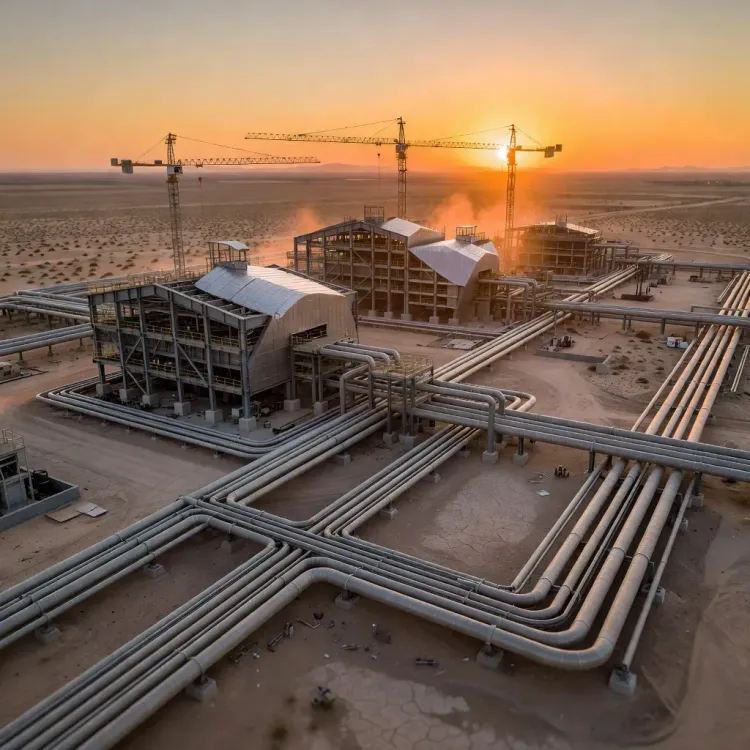
The Chief Minister's Office of Rajasthan announced on November 15, 2026, that the Rajasthan Petrochemical Zone is emerging as a key driver of industrial growth, employment, and state revenue under CM Bhajan Lal Sharma's government.
Key Takeaways
The Chief Minister's Office of Rajasthan declared the Rajasthan Petrochemical Zone a major centre for employment and revenue generation on November 15, 2026 .
CM Bhajan Lal Sharma , in office since December 2023 , has made industrial investment attraction a defining pillar of his administration.
The zone is part of a broader state strategy to diversify Rajasthan's economy beyond tourism and agriculture toward heavy industry.
Petrochemical clusters generate a multiplier effect through downstream ancillary units, amplifying both jobs and tax revenues.
Specific investment figures and confirmed employment data are yet to be officially released through state budget or industry department channels.
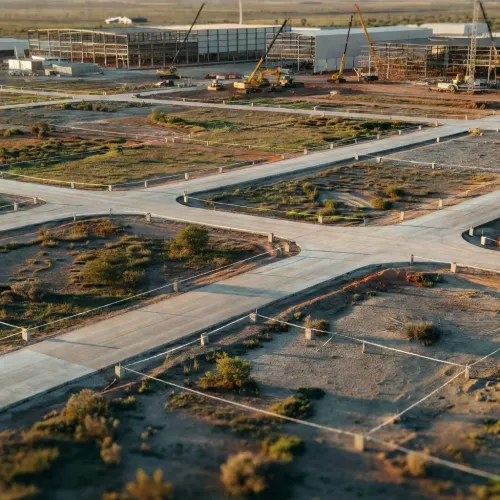
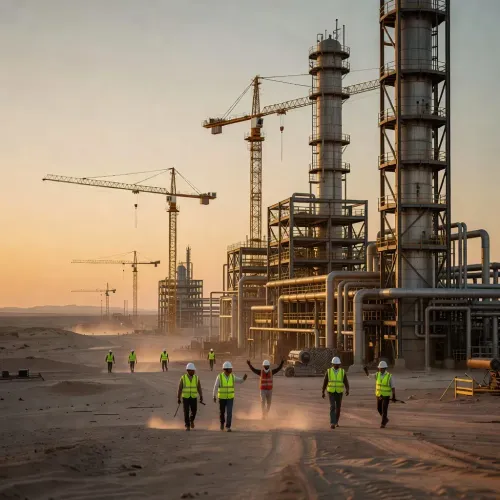
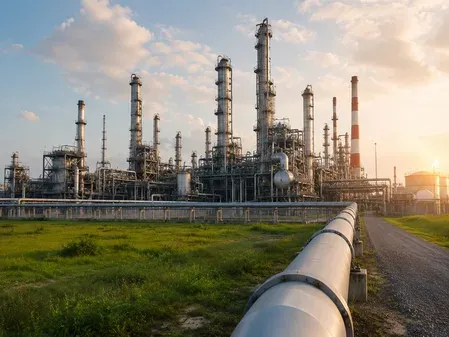
Rajasthan is betting big on petrochemicals — and Chief Minister Bhajan Lal Sharma's government wants the country to know it. The Chief Minister's Office of Rajasthan posted on Sunday, November 15, 2026, that the Rajasthan Petrochemical Zone is fast becoming a central pillar of the state's industrial economy, generating both employment and revenue at scale.
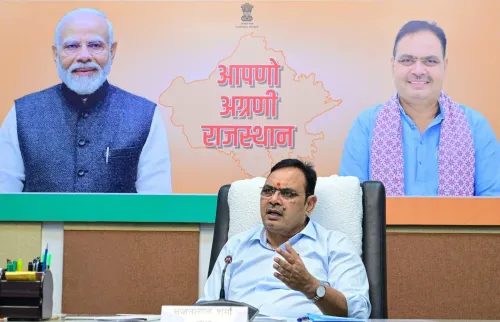
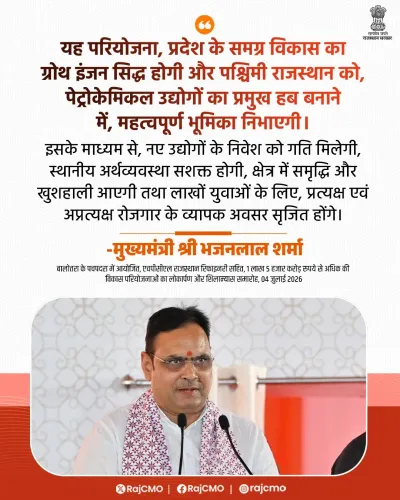
The post, shared under the hashtag #आपणो_अग्रणी_राजस्थान ('Our Leading Rajasthan'), declared that the zone is 'giving new heights to the state's industrial economy while becoming a major centre for employment creation and revenue generation.' The language is deliberate — this is a government signalling momentum, not just outlining a plan.
From Tourism-Heavy to Industry-Driven: The Strategic Bet
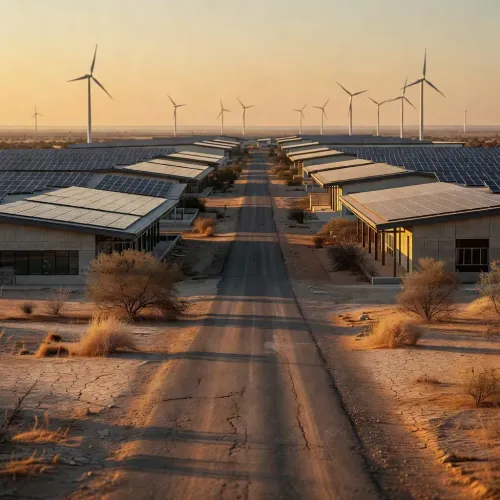
For decades, Rajasthan's economic identity has rested on tourism, handicrafts, and agriculture — sectors with limited scope for the kind of large-scale industrial employment that transforms a state's fiscal architecture. The push into petrochemicals is part of a broader diversification drive, with the government designating focused industrial zones to attract heavy-industry capital and build downstream supply chains.
Petrochemical clusters are particularly attractive to planners because of their multiplier effect: a single large refinery or cracker unit pulls in dozens of ancillary units — packaging, plastics, specialty chemicals — each generating its own payroll and tax base. It is precisely this downstream potential that makes the zone's growth a headline metric for the Bhajan Lal Sharma administration.
CM Bhajan Lal Sharma's Industrial Agenda Since December 2023
Sharma, who took charge as Chief Minister in December 2023, has consistently positioned industrial investment attraction as a cornerstone of his governance pitch. The Petrochemical Zone fits squarely into that frame — a tangible, place-specific asset the government can point to when making the case that Rajasthan is open for heavy industry.
The state has historically struggled to compete with Gujarat and Maharashtra for large manufacturing investments. Dedicated zones with infrastructure and policy incentives are the administration's answer to that competitive gap.
Jobs and Revenue: The Twin Metrics to Watch
The CMO's post pairs employment creation with revenue generation — two metrics that matter very differently to two very different audiences. For workers and local communities, job numbers are the story. For the state exchequer, the downstream tax and royalty flows from operational petrochemical units are what convert a zone from a policy announcement into a fiscal asset.
Specific investment figures, land acquisition status, and employment data for the zone remain to be confirmed through official budget or industry department releases. Those numbers, when they arrive, will be the real test of whether this zone is delivering at the scale the government is projecting.
Rajasthan has drawn the map — now the market will decide whether the destination is worth the journey.
Point of View
And a credible petrochemical cluster would meaningfully shift that competitive standing. The twin emphasis on 'employment' and 'revenue' is textbook coalition politics: one message for workers, one for fiscal hawks. Whether the zone's on-ground numbers match the government's headline ambition will become clearer when official budget and industry department data are published.
NationPress
15 Nov 2026
Frequently Asked Questions
What is the Rajasthan Petrochemical Zone?
The Rajasthan Petrochemical Zone is a government-designated industrial area promoted by the state government to develop petrochemical manufacturing, downstream units, and ancillary industries, with the goal of boosting industrial employment and state revenue.
Who is the Chief Minister of Rajasthan in 2026?
Bhajan Lal Sharma of the BJP has been the Chief Minister of Rajasthan since December 2023 .
How does the Rajasthan Petrochemical Zone create jobs?
A petrochemical zone generates direct employment in manufacturing units and indirect employment through dozens of downstream and ancillary industries such as plastics, packaging, and specialty chemicals that cluster around core facilities.
Why is Rajasthan investing in petrochemicals?
Rajasthan has traditionally relied on tourism and agriculture, and the government is diversifying toward heavy industry to build a broader tax base and create large-scale industrial employment, competing with more industrialised states like Gujarat and Maharashtra.
Where can I find official investment and job data for the Rajasthan Petrochemical Zone?
Official figures on investment inflows, land acquisition, and employment are expected to be released through the Rajasthan state budget or the state industries department in upcoming fiscal disclosures.