CM Dhami Inaugurates Historic Jauljibi Mela in Pithoragarh
Synopsis
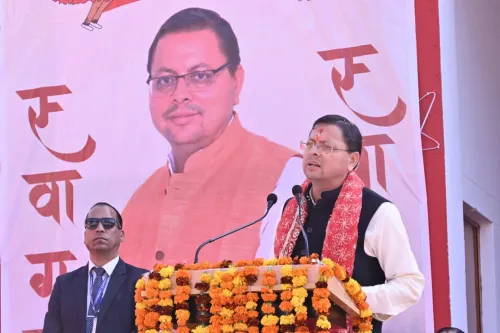
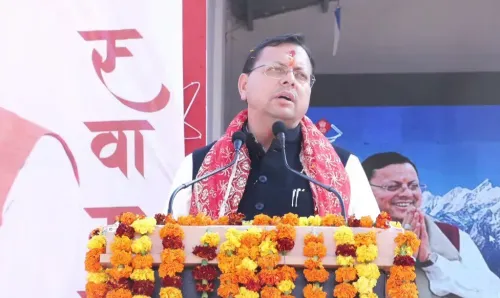
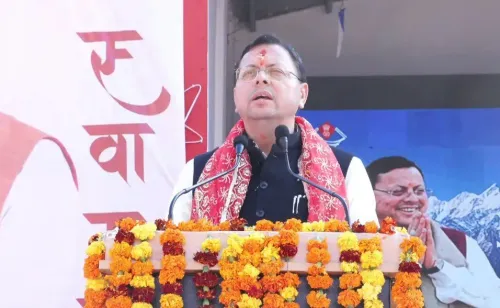
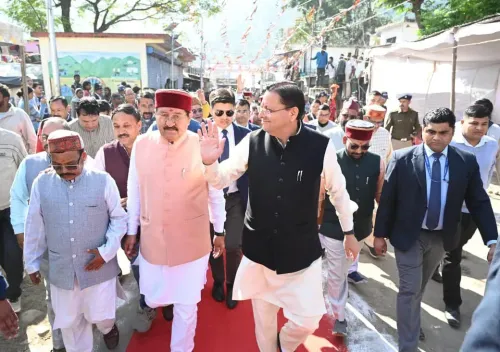
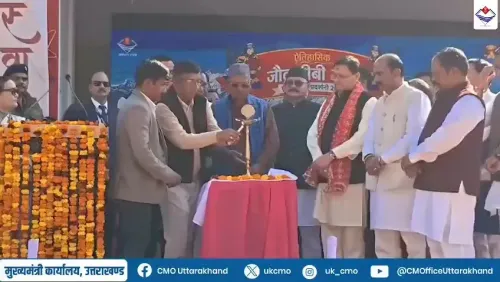
Chief Minister Pushkar Singh Dhami inaugurated the historic Jauljibi Mela in Pithoragarh on 15 November 2026. Held at the Gori-Kali river confluence near the Indo-Nepal border, the centuries-old fair is a cultural and trade landmark for Bhotia communities and a symbol of Himalayan heritage.
Key Takeaways
CM Pushkar Singh Dhami formally inaugurated the Jauljibi Mela on 15 November 2026 .
The mela is held annually in Jauljibi village, Pithoragarh district , at the confluence of the Gori and Kali rivers .
The fair has historically served as a cross-border trade point linking Uttarakhand with Nepal and Tibetan regions .
The Bhotia communities are the cultural and commercial backbone of the mela, using it for seasonal trade and cultural exchange.
State participation aligns with Uttarakhand's broader push to promote heritage tourism in remote border districts .
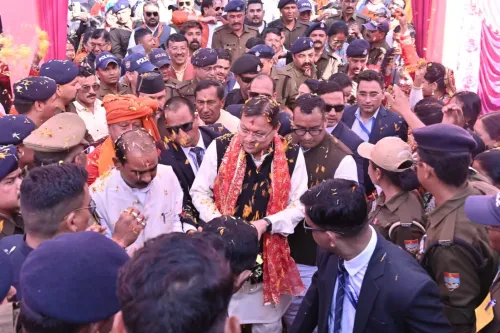
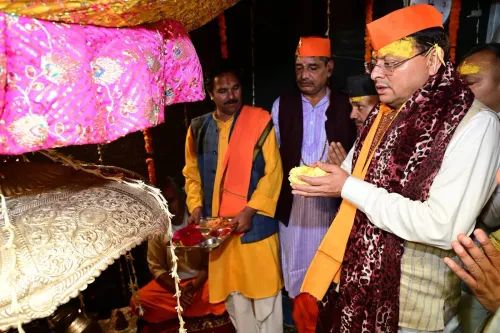
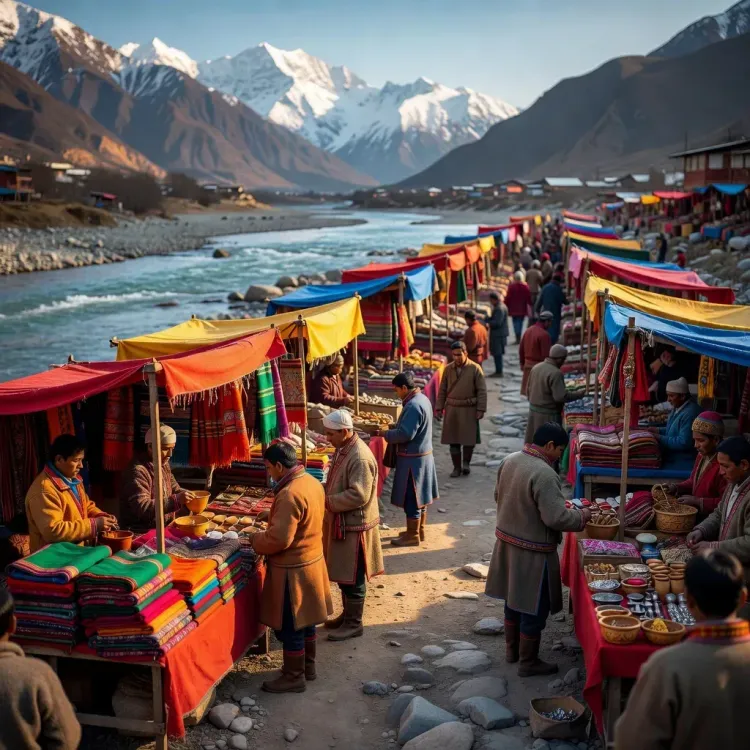
At the confluence of the Gori and Kali rivers in Uttarakhand's border district of Pithoragarh, one of the Himalayas' oldest trade gatherings came alive on Sunday, 15 November 2026 — as Chief Minister Pushkar Singh Dhami formally inaugurated the Jauljibi Mela, a fair that has bridged mountain communities, merchants, and cultures for generations.
A fair older than modern borders
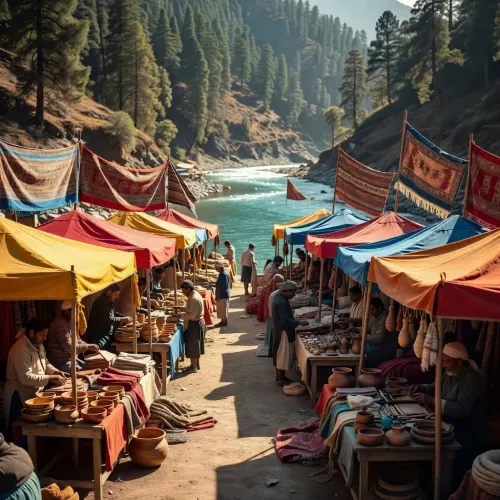
Jauljibi is not simply a market. Historically, this small village near the Indo-Nepal border functioned as a critical exchange point connecting the high-altitude Bhotia communities of Uttarakhand with traders from Nepal and the Tibetan plateau. Salt, wool, grain, livestock — the goods changed hands here long before tariffs and customs checkpoints existed. The mela carried the economic weight of an entire mountain economy.
That heritage gives Chief Minister Dhami's inauguration more than ceremonial weight. When state leadership participates, it signals that Pithoragarh district — remote, border-sensitive, and often overshadowed by Uttarakhand's more prominent tourist corridors — remains within the state's development and cultural vision.
Bhotia community and the mela's living tradition
The Bhotia communities — trans-Himalayan traders and pastoralists — are the cultural spine of Jauljibi Mela. For centuries, they moved their flocks down from high pastures as winter approached, converging at Jauljibi each November to trade, socialise, and affirm ties that cut across national boundaries. The fair is as much a social institution as an economic one: folk music, traditional crafts, and regional cuisine are as prominent as the commerce.
Uttarakhand governments have consistently backed such Himalayan fairs as anchors of both cultural preservation and border-area tourism — a twin objective that becomes especially relevant in a district that shares a sensitive frontier with Nepal.
Border-area heritage in the spotlight
State patronage of events like Jauljibi Mela fits a broader pattern: using cultural tourism to animate remote districts that might otherwise struggle for investment and visibility. Pithoragarh, with its dramatic mountain topography and proximity to both Nepal and Tibet, holds genuine draw for adventure tourists and cultural travellers — but converting that potential into consistent footfall requires sustained state attention.
The Tourism Department's follow-through — visitor infrastructure, accessibility of roads approaching Jauljibi, and promotion of Pithoragarh as a heritage-and-adventure destination — will determine whether this inauguration translates into lasting impact for the communities the mela was always built to serve.
An ancient trade route, an enduring mountain festival, and a Chief Minister's presence: Jauljibi just reminded the rest of India that some of the country's richest cultural commerce happens far from the plains.
Frequently Asked Questions
What is Jauljibi Mela and why is it significant?
Jauljibi Mela is an annual historic fair held in November at Jauljibi village in Pithoragarh district, Uttarakhand, at the confluence of the Gori and Kali rivers. It is historically significant as a cross-border trade hub connecting Bhotia communities of Uttarakhand with traders from Nepal and the Tibetan plateau.
Who inaugurated Jauljibi Mela 2026?
Chief Minister Pushkar Singh Dhami inaugurated the Jauljibi Mela 2026 on Sunday, 15 November 2026.
Where is Jauljibi located?
Jauljibi is a village in Pithoragarh district, Uttarakhand, situated near the Indo-Nepal border at the confluence of the Gori and Kali rivers.
Which community is associated with Jauljibi Mela?
The Bhotia communities — trans-Himalayan traders and pastoralists — are the cultural and commercial backbone of Jauljibi Mela, having used it for seasonal trade and social exchange for centuries.
Why do Uttarakhand governments support traditional Himalayan fairs like Jauljibi?
Uttarakhand governments have routinely supported such fairs to preserve cultural practices, stimulate tourism in remote districts, and maintain state visibility in sensitive border areas like Pithoragarh.