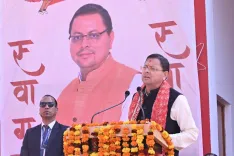
CM Dhami Hails Jauljibi Mela's Century of Culture
Synopsis
Chief Minister Pushkar Singh Dhami marked the Jauljibi Mela's 112-year legacy on 14 November 2026, calling the Pithoragarh fair — held since 1914 at the Kali-Gori confluence — an essential stage for Uttarakhand's folk culture, traditional food, handicrafts, and local produce.
Key Takeaways
Jauljibi Mela was established in 1914 and has run for more than a century without interruption.
The fair is held at Jauljibi, Pithoragarh district , at the confluence of the Kali and Gori rivers.
CM Pushkar Singh Dhami described it as a key platform for folk culture, traditional cuisine, handicrafts, and local products.
Uttarakhand governments have consistently used traditional melas to support rural artisans and domestic tourism since statehood in 2000 .
The fair remains one of the few direct-to-buyer marketplaces for craftspeople in the remote Pithoragarh region.
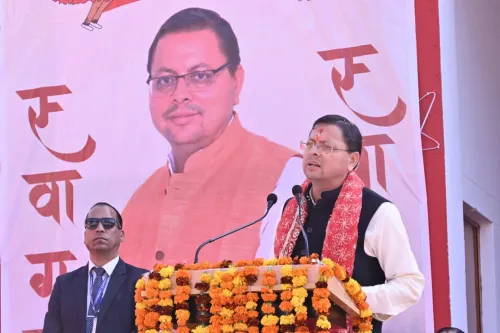
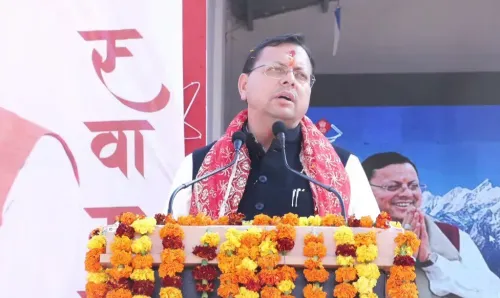
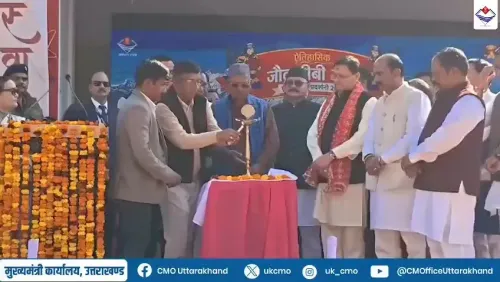
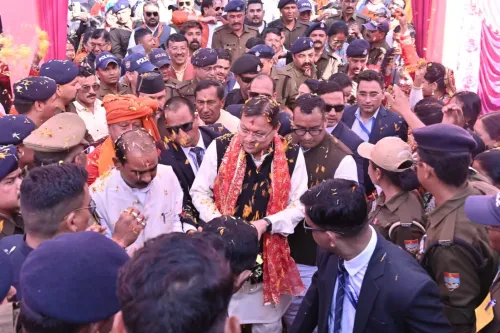
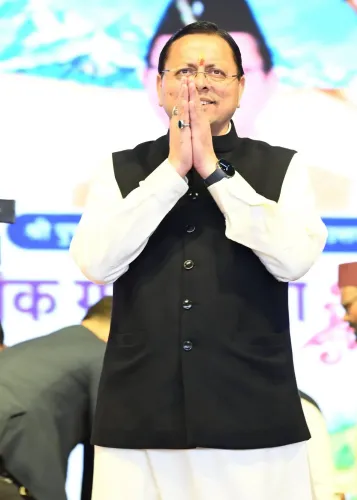
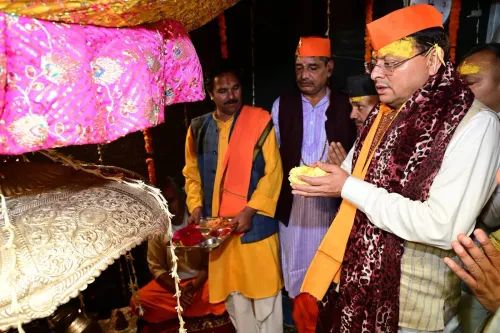
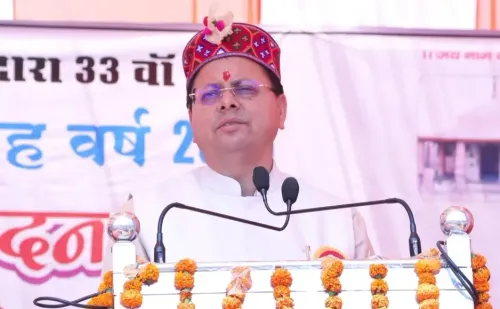
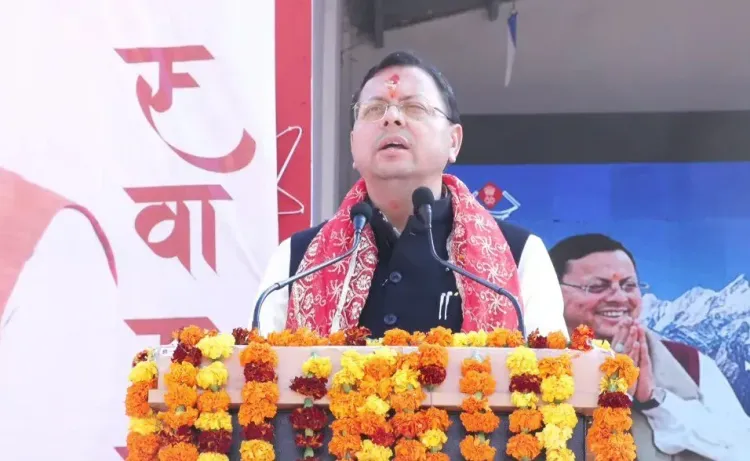
More than a hundred years after its first edition, the Jauljibi Mela still draws traders, artisans, and folk performers to a riverside ground in Pithoragarh, Uttarakhand — and Chief Minister Pushkar Singh Dhami wants the country to know why that matters. On Saturday, 14 November 2026, the Chief Minister's Office of Uttarakhand shared his remarks celebrating the fair's enduring legacy.
Speaking about the occasion, CM Dhami said: 'Varsh 1914 mein shuru hua Jauljibi ka ye mela aaj ek sadi se bhi adhik ka safar tay kar chuka hai' — 'The Jauljibi fair, which began in 1914, has now completed a journey of more than a century.' He described it as 'an important platform for recognising our folk culture, traditional cuisine, handicrafts, and local products.'
Where the Kali and Gori Rivers Meet
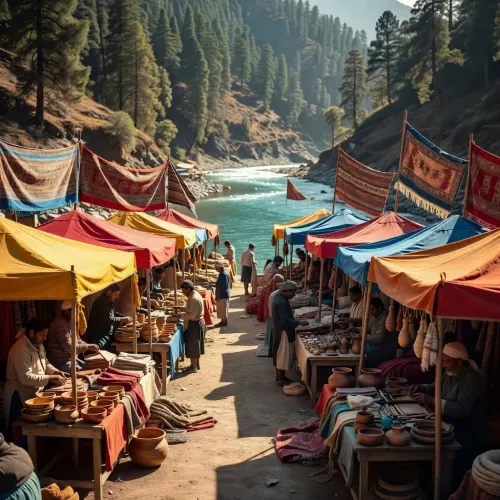
Jauljibi sits at the confluence of the Kali and Gori rivers in Pithoragarh district, a remote Himalayan corner that once served as a natural crossroads for cross-border trade. The fair that took root there in 1914 began as a commercial and cultural gathering — local traders, craftspeople from the hills, and communities from across the region converging on the riverbank each year. Over eleven decades, it has never stopped.
That continuity is itself the story. Most fairs of that era did not survive partition, statehood changes, or the slow drain of rural economies. Jauljibi did — and it did so by remaining genuinely useful to the people who attend it.
Folk Culture as Economic Infrastructure
Uttarakhand has, since its formation as a separate state in 2000, consistently positioned traditional melas as twin-purpose events: cultural preservation and rural economic activity in the same tent. Local artisans get a marketplace; domestic tourists get an authentic experience; the state gets a low-cost heritage promotion vehicle. Jauljibi fits that template precisely — and CM Dhami's remarks reinforce that the current government sees it as a flagship example of the model working.
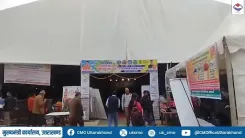
The fair showcases handmade crafts, hill-region produce, and folk performances that rarely find a stage in urban markets. For many artisans in Pithoragarh, it remains one of the few annual occasions where their work reaches buyers directly.
Point of View
But they reinforce the government's cultural-continuity messaging ahead of what is typically a busy winter events calendar in the hill state.
NationPress
15 Nov 2026
Frequently Asked Questions
What is the Jauljibi Mela and where is it held?
The Jauljibi Mela is an annual fair held at Jauljibi in Pithoragarh district, Uttarakhand, at the confluence of the Kali and Gori rivers. It began in 1914 as a cross-border trading and cultural gathering and continues today as a showcase for folk culture, handicrafts, traditional food, and local products.
When did the Jauljibi fair start?
The Jauljibi Mela started in 1914, making it over 112 years old as of 2026. It is one of the oldest continuously held fairs in Uttarakhand.
What did CM Pushkar Singh Dhami say about Jauljibi Mela?
CM Dhami said the Jauljibi fair, which began in 1914, has completed a journey of more than a century and called it an important platform for recognising Uttarakhand's folk culture, traditional cuisine, handicrafts, and local products.
Why is the Jauljibi Mela important for local artisans?
For artisans and rural traders in the remote Pithoragarh region, the Jauljibi Mela is one of the few annual events where handmade crafts and hill-region produce can reach buyers directly, making it a key source of rural income and cultural visibility.
How does Uttarakhand government support traditional melas?
Since statehood in 2000, successive Uttarakhand governments have positioned traditional fairs like Jauljibi as platforms for both cultural preservation and rural economic activity, consistent with state tourism and handicraft promotion policies.