CM Dhami Highlights Folk Culture and Youth Competitions at Uttarakhand Mela
Synopsis
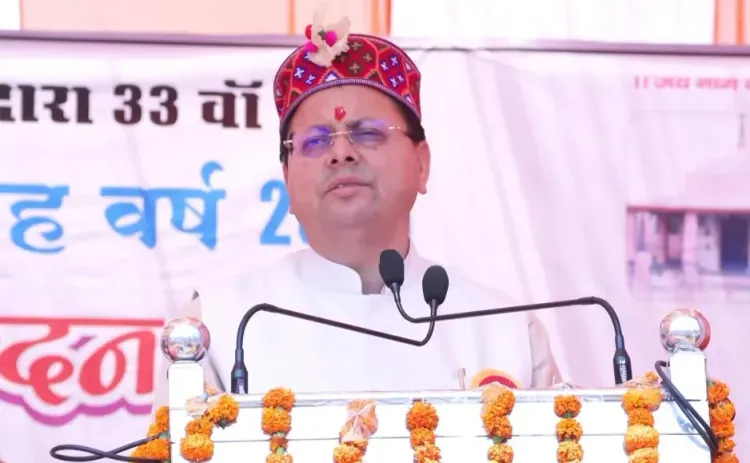
Chief Minister Pushkar Singh Dhami on June 8, 2026 addressed a state-organised mela in Uttarakhand, calling it a showcase of the region's rich folk culture and traditions while noting that competitions for youth intellectual development are also being held at the event.
Key Takeaways
The Chief Minister's Office of Uttarakhand shared remarks by CM Pushkar Singh Dhami on June 8, 2026 regarding a state-organised mela.
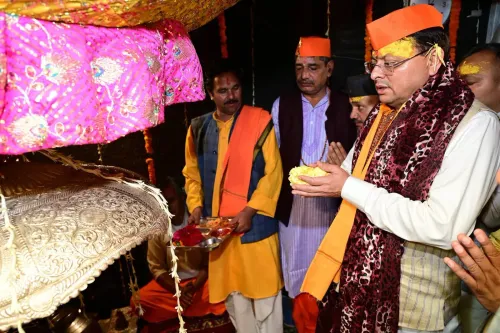
CM Dhami described the fair as a window into Uttarakhand's rich folk culture and traditions .
The mela also features intellectual development competitions specifically targeted at youth participants.
Uttarakhand has supported local melas as cultural preservation tools since its formation as a state in 2000 .
Folk artists and local youth are the primary stakeholders benefiting from such state-organised events.
Future state budget allocations and cultural department notifications will signal how the government plans to expand this model.
The Chief Minister's Office of Uttarakhand on Monday, June 8, 2026, shared remarks by Chief Minister Pushkar Singh Dhami underscoring the dual purpose of a state-organised fair — celebrating the region's rich folk culture and fostering intellectual development among youth through competitive events.
Context
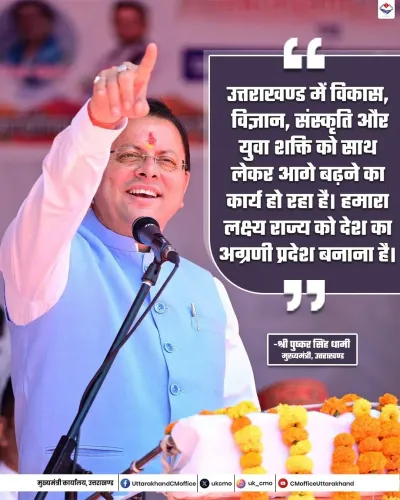
Speaking at the mela, CM Dhami stated: 'This fair offers a glimpse of our rich folk culture and traditions. Along with this, several other competitions have also been organised for the intellectual development of youth.' The remarks, shared via the official Chief Minister's Office account on X, highlight the government's framing of such fairs as more than ceremonial occasions — positioning them as platforms for cultural continuity and youth engagement simultaneously.
Uttarakhand, an Indian Himalayan state formed in 2000, has long been associated with distinct folk traditions, including regional music, dance forms, and artisanal crafts that vary across its hill districts. State-organised melas have historically served as one of the primary venues for showcasing these practices to wider audiences.
Policy Backdrop
Since Uttarakhand's formation, successive state governments have extended institutional support to local melas as instruments of cultural preservation. These events are typically organised under the state's cultural or tourism departments, with budgetary provisions channelled toward infrastructure, artist fees, and competition prizes.
CM Dhami, who has been in office since 2021, has consistently emphasised cultural identity as a pillar of the state's development narrative. His administration has linked heritage promotion with tourism growth, framing folk traditions as both a social asset and an economic driver for the hill economy.
Across India, state administrations regularly stage cultural fairs that combine heritage displays with youth-focused competitions — a model that seeks to strengthen regional identity while providing structured opportunities for younger generations to engage with their own traditions in a competitive, skill-building format.
Stakeholders and Impact
Local folk artists stand among the most direct beneficiaries of such melas, gaining a formal stage and, in many cases, financial recognition through state patronage. For artisans and performers from remote hill villages, these events can represent one of few opportunities for wider visibility within the year.
Youth participants in the intellectual and competitive segments of the fair gain exposure to structured contests that complement academic learning — an objective explicitly cited by CM Dhami in his remarks. Cultural departments and local administrative bodies are also key stakeholders, as the organisation and success of such events reflect on state capacity for grassroots engagement.
What's Next
Observers and cultural advocates will watch for announcements from the state's cultural department on whether the competition formats introduced at this mela will be expanded or standardised across future events. Budget allocations for upcoming melas and any policy notifications on youth competition frameworks will be indicators of how seriously the administration intends to institutionalise this dual-purpose model.
As Uttarakhand continues to position itself as a state that balances development with heritage, the degree to which cultural fairs receive sustained funding — rather than episodic attention — will determine their long-term impact on both folk traditions and youth development outcomes.
Point of View
High-visibility tools for asserting regional identity — particularly in hill states where distinct traditions serve as markers of sub-national pride. By explicitly linking the event to youth intellectual development, the administration is attempting to modernise the mela's political optics, framing heritage not as nostalgia but as a developmental input. This dual framing is increasingly common in BJP-governed states, where cultural programming is positioned alongside welfare delivery as evidence of governance. The real test will be whether these competitions receive sustained institutional backing or remain one-off ceremonial additions to the fair calendar.
NationPress
24 Oct 2026
Frequently Asked Questions
What did CM Pushkar Singh Dhami say about the Uttarakhand mela?
CM Dhami said the mela offers a glimpse of Uttarakhand's rich folk culture and traditions, and that several competitions have been organised at the event for the intellectual development of youth.
Which mela did CM Dhami address in June 2026?
The specific name of the mela was not confirmed in the official post. The Chief Minister's Office of Uttarakhand shared his remarks on June 8, 2026 in reference to a state-organised fair.
What is the purpose of melas in Uttarakhand?
Melas in Uttarakhand serve as platforms to showcase the state's folk culture, traditional arts, and regional heritage, while also providing opportunities for community gathering and, increasingly, youth-focused competitions.
How does Uttarakhand support folk culture?
Since its formation in 2000, Uttarakhand has channelled state support toward local melas and cultural events through its cultural and tourism departments, providing infrastructure, artist platforms, and competition frameworks.
Why are youth competitions held at cultural fairs in Uttarakhand?
Youth competitions at cultural fairs are designed to foster intellectual development and connect younger generations with regional traditions in a structured, skill-building environment, as highlighted by CM Dhami in his June 2026 remarks.