CM Dhami Opens Jauljibi Mela, Gifts Pithoragarh ₹102.72 Cr
Synopsis
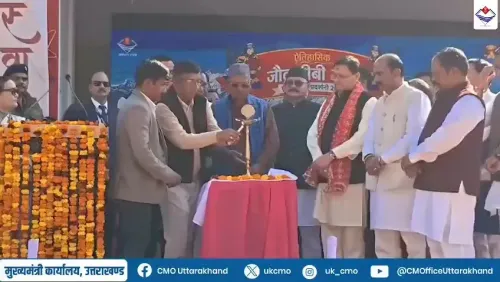
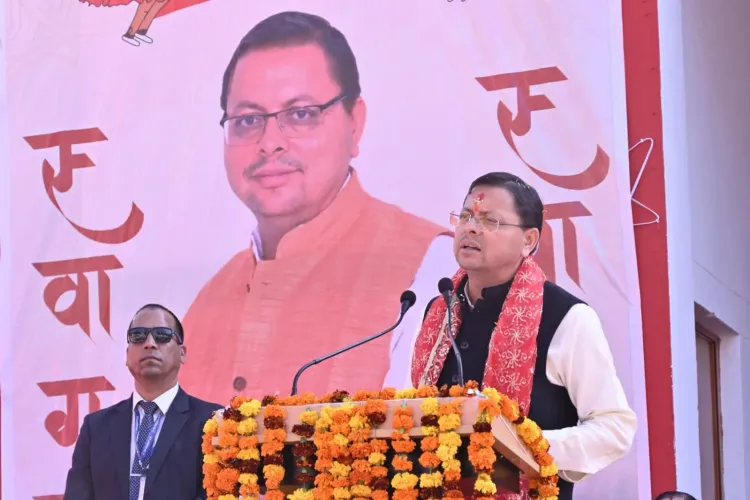
CM Pushkar Singh Dhami lit the ceremonial lamp at the historic Jauljibi Mela in Pithoragarh on 14 November 2026, inaugurating the India-Nepal border fair and unveiling 25 development schemes worth ₹102.72 crore, including a ₹36.10-crore flood protection project and a new circuit house.
Key Takeaways
CM Pushkar Singh Dhami inaugurated the Jauljibi Mela at the confluence of the Kali and Gori rivers in Pithoragarh on 14 November 2026 .
He unveiled 25 development schemes worth ₹102.72 crore for Pithoragarh district, including foundation stones for 24 projects and inauguration of one completed work.
Largest single project: a ₹36.10-crore flood protection scheme for the Khotila and Ghatdhar areas.
A ₹10-lakh grant was announced specifically for the organisation of the Jauljibi Mela.
Dhami described the fair as a living symbol of India-Nepal-Tibet cultural and trade heritage, connecting the two nations for centuries.
Union Minister of State Ajay Tamta and senior district officials attended, alongside citizens from both India and Nepal .
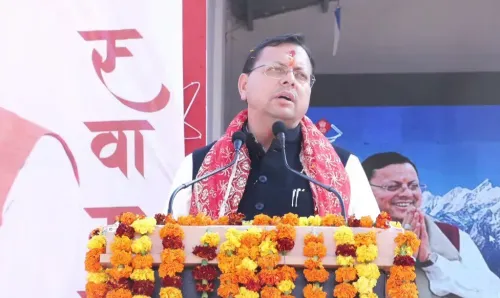
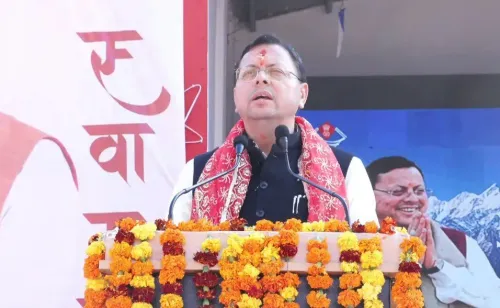
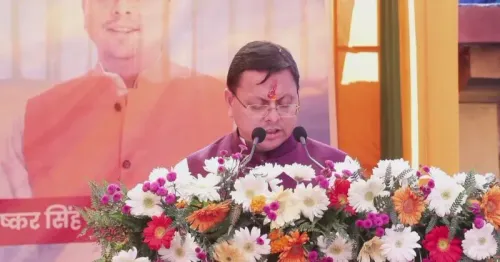
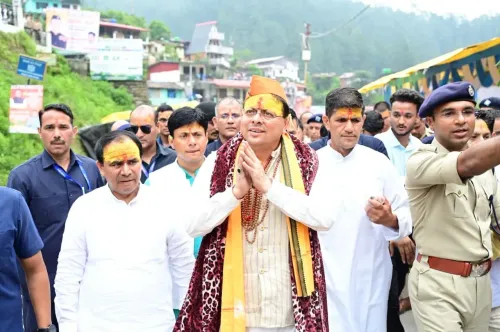
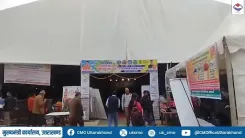
At the ancient confluence of the Kali and Gori rivers in Pithoragarh, a lamp was lit on Saturday, 14 November 2026 — and with it, a centuries-old fair that has bound India, Nepal and Tibet together in trade and culture sprang to life once more. Chief Minister Pushkar Singh Dhami inaugurated the historic Jauljibi Mela and simultaneously announced ₹102.72 crore worth of development schemes for the border district, turning a cultural occasion into a declaration of infrastructure intent.
A fair older than modern borders
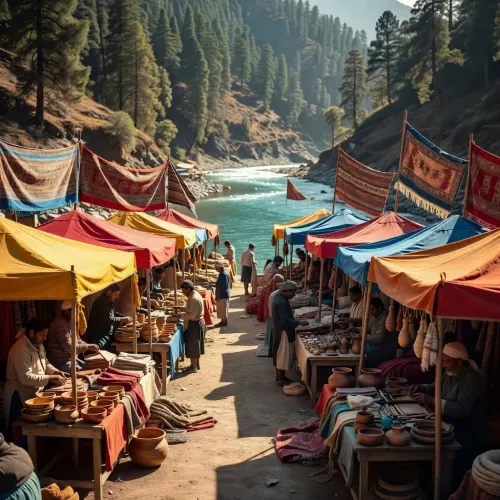
The Jauljibi Mela is no ordinary district fair. Held annually at the Pithoragarh frontier, it predates the political boundaries that now separate India and Nepal, and once served as a critical node on the India-Nepal-Tibet trade corridor. CM Dhami acknowledged the fair's weight in his address: 'Jauljibi Mela bharatvarsh aur Nepal ki saanjhi saanskritik virasat ka jeevant pratik hai' — 'The Jauljibi Mela is a living symbol of the shared cultural heritage and mutual goodwill of India and Nepal.' He added that it has connected the people of both countries socially and culturally for centuries, and holds a special place in the history of trade and cultural ties among India, Nepal and Tibet.
Dhami also struck a personal note, saying the fair holds a childhood connection for him. He described seeing its rich culture, traditions and local customs up close — and argued that such events are a vital medium for keeping cultural identity alive and linking new generations to their roots.
₹102.72 crore in 25 schemes: what gets built
The cultural occasion carried hard economic weight. CM Dhami laid the foundation stones for 24 projects worth ₹102.48 crore and inaugurated one completed project worth ₹24 lakh in the Kanalichhina development block — a connectivity road and Himalaya Darshan shed. The headline projects among the foundation-stone layings are:
- A new State Guest House (Circuit House) in Pithoragarh at a cost of ₹23.26 crore
- The Ghat Pumping Drinking Water Scheme at ₹13.38 crore
- A flood protection scheme for the Khotila and Ghatdhar areas at ₹36.10 crore — the single largest outlay
- A motor bridge over the Ramganga river at ₹8.80 crore
The remaining projects cover roads, drinking water, education, tourism, irrigation and other infrastructure. CM Dhami also announced a grant of ₹10 lakh for the organisation of the Jauljibi Mela itself.
Border districts as economic hubs, not just frontiers
Pithoragarh, nestled against the Nepal border, has historically been treated as a security zone first and a development zone second. CM Dhami's remarks signal a deliberate reframing. 'The development of border areas is a special priority of the state government,' he said, pointing to continuous work on roads, drinking water, education, health, tourism and other basic facilities in these regions. He specifically cited the natural beauty, adventure tourism potential and rich folk culture of frontier areas as drivers of self-employment opportunities for local youth.
The push sits within a broader frame Dhami attributed to Prime Minister Narendra Modi, who has described the third decade of the 21st century as 'Uttarakhand ka dashak' — Uttarakhand's decade. The state government, Dhami said, is committed to both delivering development schemes on the ground and preserving the state's cultural heritage.
Who was in the room
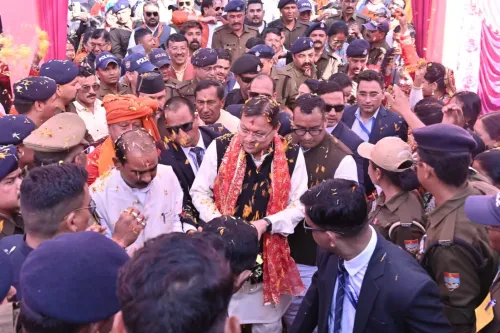
Union Minister of State for Road Transport and Highways Ajay Tamta, who represents the Kumaon region, also addressed the gathering — underlining the event's national-level resonance. District Panchayat President Jitendra Prasad, MLA Didihat Bishan Singh Chufal, MLA Dharchula Harish Dhami, Pithoragarh Municipal Corporation Mayor Kalpana Devalal, District Magistrate Ashish Kumar Bhatganai, Superintendent of Police Akshay Prahlad Konde, local representatives, officials, cultural workers, and citizens from both India and Nepal attended in large numbers — a human reminder that this fair has never really respected a line drawn on a map.
The ₹36.10-crore flood protection works may be the most consequential line item on the list — but the real signal from Jauljibi 2026 is that Uttarakhand's most remote corners are being treated as the state's next growth frontier, not its forgotten edge.
Point of View
CM Dhami is executing a well-worn but effective playbook: using community gatherings to amplify the visibility of state spending in Uttarakhand's historically underserved frontier districts. The move reinforces the BJP-led state government's 'Uttarakhand ka dashak' narrative, framing border regions as engines of growth rather than security liabilities. The presence of Union Minister Ajay Tamta signals Centre-state coordination on border connectivity — an increasingly important variable as India deepens its strategic infrastructure push along the Nepal and China frontiers. Whether the foundation-stone projects translate into completed assets on schedule will ultimately determine whether the announcement outlasts the fair season.
NationPress
15 Nov 2026
Frequently Asked Questions
What is the Jauljibi Mela and where is it held?
The Jauljibi Mela is a historic annual fair held at the confluence of the Kali and Gori rivers in Pithoragarh district, Uttarakhand. It has served for centuries as a cultural and trade meeting point for communities from India, Nepal and Tibet.
How much development funding did CM Dhami announce at Jauljibi Mela 2026?
CM Pushkar Singh Dhami announced 25 development schemes worth a total of ₹102.72 crore for Pithoragarh district — ₹102.48 crore for 24 new projects via foundation-stone layings and ₹24 lakh for one completed project inaugurated on the same day.
What are the major projects announced by CM Dhami in Pithoragarh?
The major projects include a new State Guest House (Circuit House) worth ₹23.26 crore, the Ghat Pumping Drinking Water Scheme at ₹13.38 crore, a ₹36.10-crore flood protection scheme for Khotila and Ghatdhar, and an ₹8.80-crore motor bridge over the Ramganga river.
What is the significance of the Jauljibi Mela for India-Nepal relations?
The fair is considered a living symbol of shared cultural heritage and trade ties between India and Nepal. It predates modern political borders and has historically connected communities from India, Nepal and Tibet socially, culturally and commercially.
What is 'Uttarakhand ka dashak' and how does Jauljibi fit into it?
'Uttarakhand ka dashak' — Uttarakhand's decade — is PM Narendra Modi's framing for the state's accelerated development in the 2020s. The Jauljibi event fits into this narrative by combining cultural preservation with infrastructure investment in border districts the state government has identified as priority growth zones.