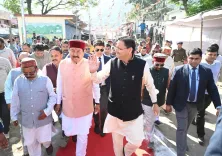
CM Dhami links Uttarakhand's traditional fairs to jobs and tourism
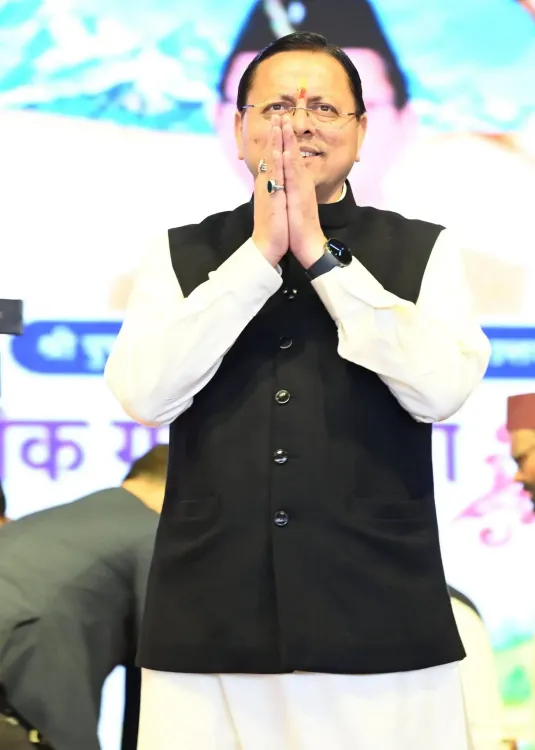
Synopsis
Uttarakhand CM Pushkar Singh Dhami declares his government is actively connecting the state's traditional fairs and cultural events to livelihoods, tourism, trade, and self-employment — positioning Himalayan heritage as an economic engine, not just a celebration.
Key Takeaways
CM Pushkar Singh Dhami posted on 14 November 2026 outlining his government's approach to traditional fairs and cultural events in Uttarakhand .
The stated goal is to link these events to four pillars: local livelihood, tourism, trade, and self-employment .
Uttarakhand , formed in 2000 , hosts numerous seasonal Himalayan fairs that have historically served cultural and religious purposes.
The approach aligns with a broader BJP-era policy pattern of framing cultural heritage as an economic asset across Indian states.
Key beneficiaries identified include local artisans, rural communities, and tourism operators in the state's mountain regions.
Concrete scheme notifications and budget allocations will determine whether the stated direction translates into measurable employment and trade outcomes.
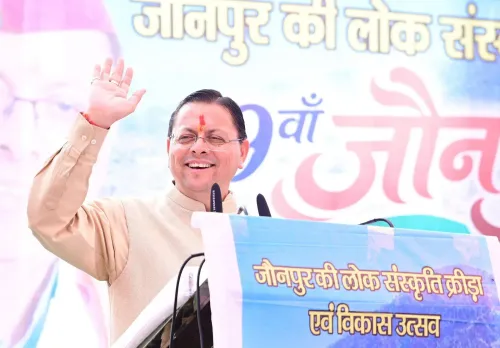
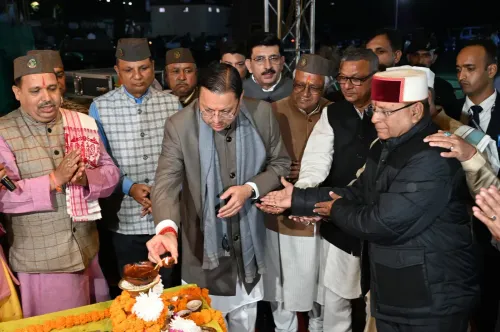
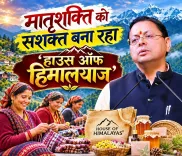
Uttarakhand's mountain villages have hosted seasonal fairs for centuries — but Chief Minister Pushkar Singh Dhami wants those ancient gatherings to do double duty as engines of local employment and tourism revenue. On Saturday, 14 November 2026, Dhami posted on X, stating that his government is working continuously to connect the state's traditional fairs and cultural events not merely to celebration, but to local livelihoods, tourism, trade, and self-employment.
In his own words: 'हमारी सरकार प्रदेश के पारंपरिक मेलों और सांस्कृतिक आयोजनों को केवल उत्सव तक सीमित न रखते हुए उन्हें स्थानीय आजीविका, पर्यटन, व्यापार और स्वरोजगार से जोड़ने की दिशा में निरंतर कार्य कर रही है।' — 'Our government is continuously working to connect the state's traditional fairs and cultural events, rather than limiting them only to celebration, to local livelihoods, tourism, trade, and self-employment.'
From ritual to revenue: the fair-as-economy argument
Uttarakhand, formed in 2000, is home to dozens of traditional fairs — melas — that punctuate the Himalayan calendar. Many bring together local artisans, folk performers, and pilgrims at a single venue for days at a time. The question successive governments have faced is whether that footfall can be systematically converted into sustainable income for the rural communities that host them.
Dhami's framing explicitly names four pillars — livelihood, tourism, trade, and self-employment — signalling an intent to move beyond one-off grants or stage-building towards a more integrated economic model. The approach mirrors a broader pattern across BJP-governed states, where cultural heritage is increasingly positioned as an asset class: a resource that can generate year-round dividends rather than a single-day spectacle.
Uttarakhand's cultural-tourism arc since statehood
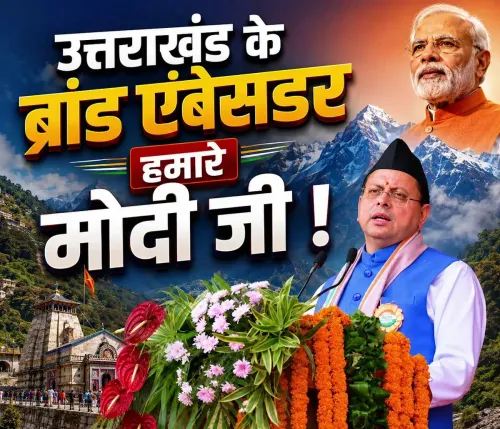
The state's cultural-tourism ambitions have deep roots. Even before the landmark Haridwar Kumbh Mela became a recurring showcase for state capacity, Uttarakhand was threading pilgrimage circuits and local fairs into its tourism pitch. The logic was straightforward: a state with limited flat land and a large migrant workforce needed attractions that could pull visitors — and spending — into remote valleys.
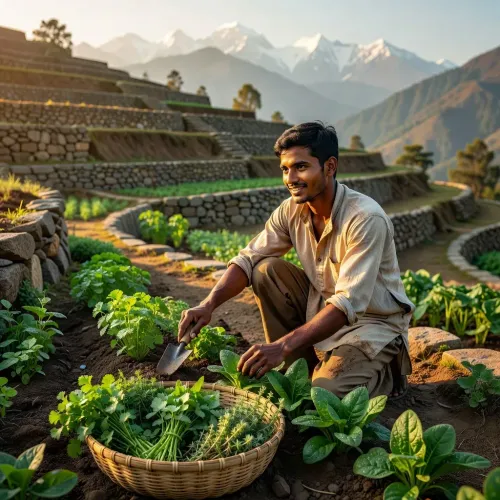
The Dhami administration's post-2021 tenure has pushed this further, framing swadeshi craft and lok culture as marketable identities rather than merely preserved traditions. Local artisans, rural homestay operators, and small traders stand as the primary intended beneficiaries of this pivot.
What concrete delivery will look like
The real test, as policy watchers have noted, lies in the specifics: which fairs get linked to formal trade clusters, what employment metrics get tracked, and how the state budget allocates for cultural-tourism infrastructure. A stated direction is not yet a scheme — and Uttarakhand's mountain geography makes logistical delivery genuinely hard. The government's next budget cycle and any forthcoming scheme notifications will be the proof of the pudding.
For now, Dhami's statement plants a flag: cultural events in Uttarakhand are to be measured not just by attendance or sentiment, but by livelihoods created and trade generated.
Point of View
Tourism, trade, self-employment) echoes national BJP messaging on 'vocal for local' and heritage-led growth, suggesting alignment with central priorities rather than a purely state-driven initiative. The real test will come at the budget and scheme-notification stage: vague intent has characterised cultural-economy policy in hill states before. If Uttarakhand can attach measurable employment metrics to specific melas, it would mark a genuine policy evolution — and a template other Himalayan states would likely watch closely.
NationPress
14 Nov 2026
Frequently Asked Questions
What did CM Dhami say about Uttarakhand's traditional fairs?
CM Pushkar Singh Dhami said his government is working to connect the state's traditional fairs and cultural events to local livelihoods, tourism, trade, and self-employment — not limiting them only to celebration.
How is Uttarakhand linking cultural events to employment?
The Dhami government has stated a policy direction of integrating melas and cultural gatherings with trade clusters, tourism circuits, and self-employment schemes, though specific new scheme notifications are awaited.
What are some traditional fairs in Uttarakhand?
Uttarakhand hosts dozens of seasonal Himalayan fairs, with the Haridwar Kumbh Mela being the most prominent. Numerous smaller village-level fairs also take place across the state's mountain districts.
Who benefits from Uttarakhand's cultural tourism policy?
Local artisans, rural communities, homestay operators, and small traders are the primary intended beneficiaries of the state's push to link cultural events to economic activity.
Is Uttarakhand's approach to cultural fairs unique among Indian states?
No — framing cultural fairs as economic assets is a broader pattern across several Indian states, particularly under BJP-led administrations, though Uttarakhand's Himalayan geography and pilgrimage heritage give it a distinctive context.