CM Dhami: Uttarakhand culture deeply rooted in nature
Synopsis
On World Environment Day 2026, Uttarakhand Chief Minister Pushkar Singh Dhami declared that the state's culture and way of life are deeply connected to nature — echoing the Himalayan state's long tradition of community-led conservation, from the Chipko Movement to present-day eco-tourism and sustainable development policy.
Key Takeaways
The Chief Minister's Office of Uttarakhand shared CM Pushkar Singh Dhami's statement on World Environment Day, June 5, 2026 .
CM Dhami stated that Uttarakhand's culture and way of life share a 'deep connection with nature.' Uttarakhand was formed in 2000 partly to preserve its distinct ecological and cultural identity.
The Chipko Movement of the early 1970s , born in Uttarakhand, remains a foundational symbol of the state's culture-nature bond.
The statement aligns with national sustainable development goals and India's international biodiversity commitments.
Policy follow-through will be measured in upcoming state budget allocations and forest or tourism policy decisions.
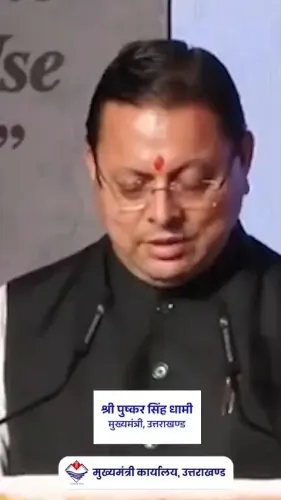
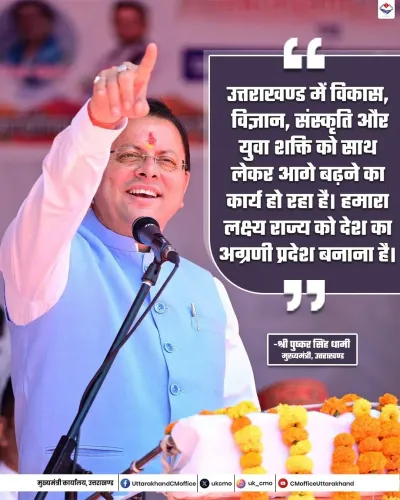
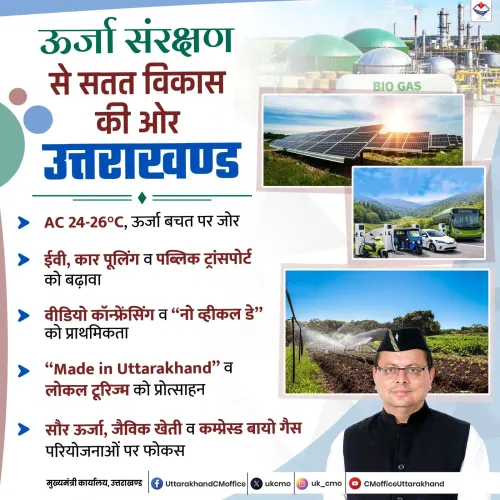
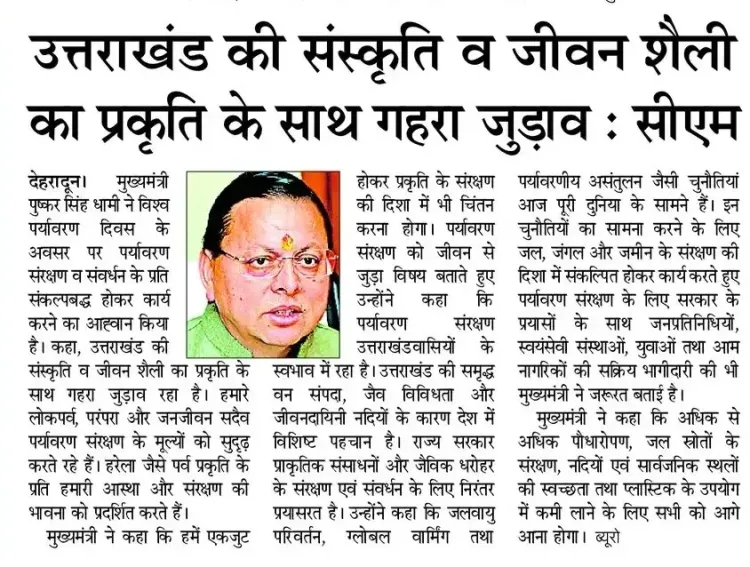
The Chief Minister's Office of Uttarakhand on Friday, June 5, 2026 shared a statement by Chief Minister Pushkar Singh Dhami affirming the inseparable bond between the state's culture and the natural world. The post, published on the occasion of World Environment Day, quoted the Chief Minister as saying: 'Uttarakhand ki sanskriti va jeevan shaili ka prakriti ke saath gehara judav' — 'Uttarakhand's culture and way of life share a deep connection with nature.'
Context
World Environment Day, observed annually on June 5, provides governments and institutions a platform to reaffirm ecological commitments. CM Dhami's statement situates Uttarakhand's cultural identity squarely within the discourse of environmental stewardship, a framing that carries particular weight for a Himalayan state that faces acute climate vulnerabilities including glacial retreat, erratic monsoons and landslide risk.
The remark is consistent with how successive governments in Dehradun have positioned the hill state — as a place where traditional lifestyles and ecological sensitivity are not separate concerns but a single, lived reality.
Policy Backdrop
Uttarakhand was carved out of Uttar Pradesh on November 9, 2000, with the preservation of its distinct ecological and cultural identity as a founding rationale. That identity draws heavily on centuries of mountain community practice: forest-based livelihoods, sacred groves, and seasonal pastoral cycles that have long encoded conservation as custom.
The state's most celebrated expression of this ethos is the Chipko Movement of the early 1970s, when communities in the hills literally embraced trees to prevent commercial felling — a campaign that influenced national forest policy and became a global symbol of grassroots environmentalism. State administrations have repeatedly invoked this legacy to frame contemporary policy on eco-tourism, organic farming and traditional knowledge systems.
CM Dhami, who has served as Chief Minister since 2021, has continued this tradition, aligning state messaging with national sustainable development goals and with India's broader commitments under international biodiversity and climate frameworks.
Stakeholders and Impact
The communities most directly addressed by this framing are Uttarakhand's rural and mountain populations — farmers, forest-dwellers and pastoral communities whose daily lives remain closely tied to local ecosystems. For them, the Chief Minister's words carry the implicit promise that cultural and ecological preservation will inform governance decisions on land use, forest rights and infrastructure development.
The tourism sector also has a direct stake. Uttarakhand receives millions of pilgrims and eco-tourists annually, and the 'culture-nature' brand is central to its appeal. Environmental groups, meanwhile, watch such statements for signs of policy follow-through — particularly on issues like unregulated construction in ecologically sensitive zones and the management of pilgrimage corridors such as the Char Dham route.
What's Next
The practical test of CM Dhami's stated conviction will come in upcoming state budget allocations and any revisions to tourism or forest policy that operationalise the culture-nature linkage he describes. Observers will also watch for Uttarakhand's participation in national and international forums on traditional ecological knowledge and Himalayan biodiversity.
Statements made on high-visibility occasions such as World Environment Day often set the rhetorical agenda for policy debates in the months that follow. Whether this affirmation translates into concrete protections for the mountain communities and ecosystems it celebrates will define its lasting significance.
Point of View
Giving the statement historical depth without requiring new policy commitments. For a mountain state increasingly exposed to climate disruption, such affirmations also serve a defensive purpose — pre-empting criticism of development decisions that environmental groups argue undermine the very connection the Chief Minister celebrates. The real political signal will come when budget season tests whether the rhetoric is matched by resource allocation.
NationPress
20 Oct 2026
Frequently Asked Questions
What did CM Pushkar Singh Dhami say on World Environment Day 2026?
CM Pushkar Singh Dhami stated that Uttarakhand's culture and way of life share a deep connection with nature, a message shared by the Chief Minister's Office on June 5, 2026 .
Why is Uttarakhand considered closely connected to nature?
Uttarakhand is a Himalayan state with centuries of mountain community traditions — including forest-based livelihoods, sacred groves and pastoral cycles — that embed conservation in daily life. The Chipko Movement of the 1970s is the most celebrated expression of this bond.
What is the Chipko Movement and how does it relate to Uttarakhand's culture?
The Chipko Movement began in Uttarakhand in the early 1970s when hill communities embraced trees to stop commercial felling. It became a global symbol of grassroots environmentalism and is frequently cited as evidence of the state's deep cultural commitment to nature.
When was Uttarakhand formed and what was its founding rationale?
Uttarakhand was formed on November 9, 2000 , carved out of Uttar Pradesh , with the preservation of its distinct ecological and cultural identity as a core founding rationale.
How does CM Dhami's statement connect to national policy?
CM Dhami's framing aligns with India's national sustainable development goals and the country's international commitments on biodiversity and climate, positioning Uttarakhand's traditional practices as a contribution to broader conservation objectives.