CM Dhami: Nature Is Mother, Not a Resource to Exploit
Synopsis
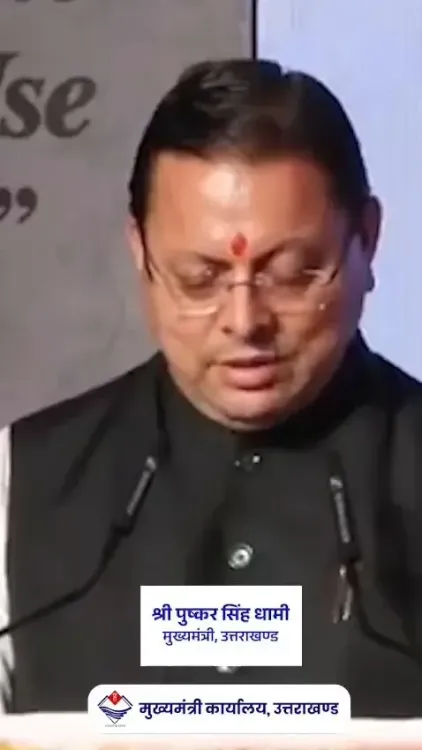
Uttarakhand Chief Minister Pushkar Singh Dhami declared in Dehradun that Indian culture treats nature as a mother, not a means of exploitation — invoking ancient civilisational values in a state that sits at the heart of India's Himalayan ecology.
Key Takeaways
CM Pushkar Singh Dhami made a statement in Dehradun on 1 August 2026 invoking Indian cultural values on nature.
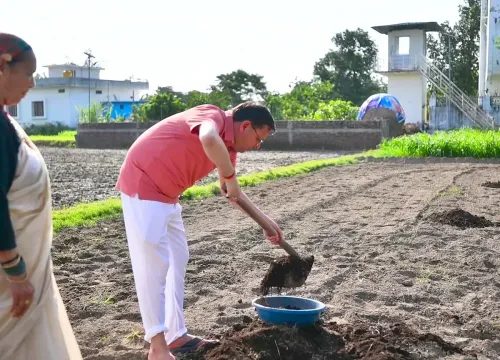
He said Indian culture does not treat nature as a resource for exploitation, but gives it the status of a mother.
Uttarakhand is one of India's most ecologically sensitive states, home to Himalayan forests and the headwaters of major rivers.
The statement draws on a long tradition of nature reverence in Indian civilisation, from Sanskrit texts to tribal practice.
No specific policy announcement accompanied the statement; the occasion prompting it was not detailed in the post.
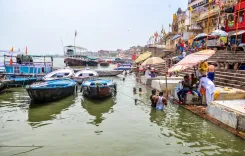
In a culture where rivers are goddesses and mountains are shrines, Uttarakhand Chief Minister Pushkar Singh Dhami drew a sharp line between extraction and reverence — reminding his state, and perhaps the nation, of what Indian civilisation has always known about the natural world.
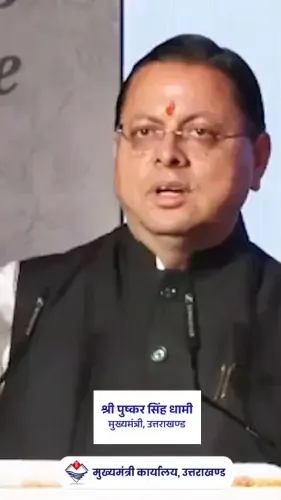
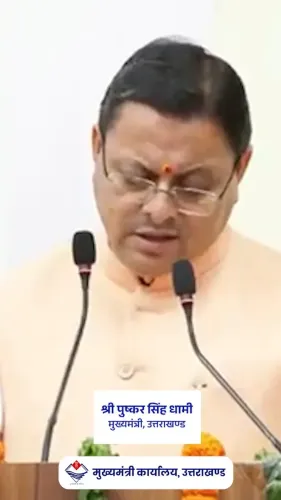
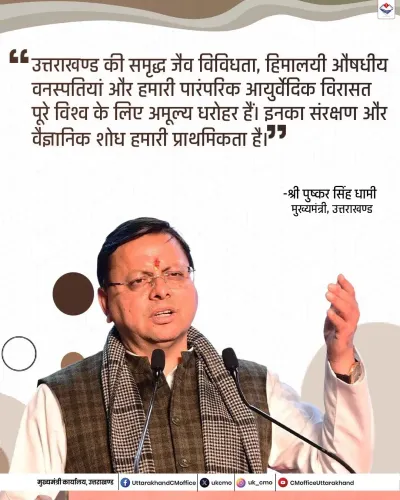
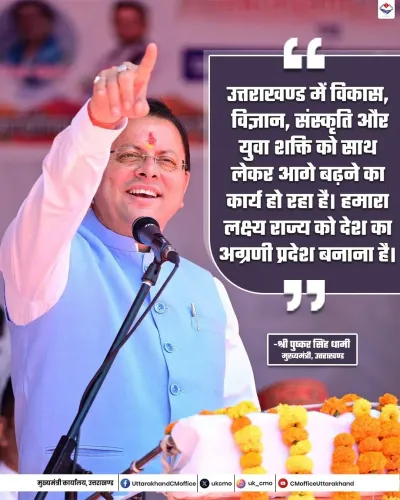
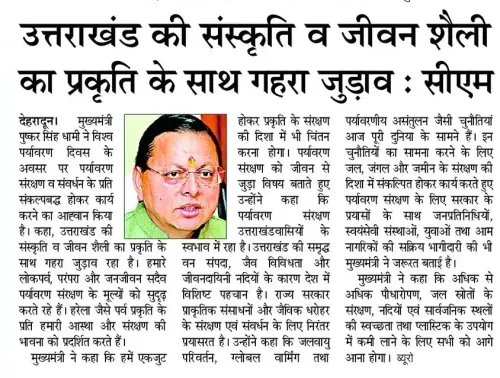
Speaking in Dehradun on Saturday, 1 August 2026, CM Dhami quoted: 'हमारी भारतीय संस्कृति में प्रकृति को केवल दोहन का माध्यम नहीं माना गया है बल्कि उसे माँ का स्वरूप दिया गया है' — 'In our Indian culture, nature has not been regarded merely as a means of exploitation, but has been given the form of a mother.'
A Himalayan State's Cultural Argument for Conservation
Uttarakhand is not a neutral stage for this message. The state is home to the headwaters of the Ganga and Yamuna, dense forest cover across the Himalayas, and some of India's most ecologically fragile terrain. It is also a state under constant pressure — from pilgrimage tourism, infrastructure expansion, and climate-driven glacial retreat. Dhami's invocation of the 'mother' metaphor is a familiar but pointed one here, where that reverence is lived geography, not just philosophy.
Indian state governments have increasingly woven traditional ecological ethics into their public messaging, but Uttarakhand's framing carries particular weight. The state has built its identity around being both a spiritual heartland and a biodiversity corridor — a combination that makes the tension between development and preservation sharper, and more visible, than almost anywhere else in India.
The Older Idea Behind the Headline
The concept Dhami invoked is ancient. Across Sanskrit texts, folk traditions, and tribal practice, Indian civilisation has long encoded nature as kin — rivers as mothers, forests as living beings with rights of their own. What the Chief Minister did on Saturday was pull that thread into a contemporary political register: a reminder that conservation is not a Western import, but a value embedded in the culture long before the word 'sustainability' existed.
Whether the statement is followed by policy action in Dehradun — on forest rights, eco-tourism regulation, or environmental awareness programmes — will determine whether it lands as governance or as rhetoric. For now, it stands as a declaration of intent, delivered from the capital of a state that has more reason than most to mean it.
Point of View
Where development pressures on the Himalayas are acute and electorally sensitive, invoking the 'nature as mother' tradition is both philosophically grounded and politically safe. The broader pattern across Indian state governments suggests this cultural-conservation messaging is becoming a standard register — the test, as always, is whether it precedes or substitutes for action.
NationPress
15 Sept 2026
Frequently Asked Questions
What did Uttarakhand CM Pushkar Singh Dhami say about nature?
CM Dhami said that in Indian culture, nature is not regarded merely as a means of exploitation but is given the status of a mother — a statement he made in Dehradun on 1 August 2026.
Where did CM Dhami make this statement?
The statement was made in Dehradun , the capital of Uttarakhand, and shared by the Chief Minister's Office on X on 1 August 2026.
What is the significance of Uttarakhand in India's environmental context?
Uttarakhand is a Himalayan state that hosts the headwaters of the Ganga and Yamuna rivers, dense forest cover, and some of India's most ecologically fragile terrain, making conservation a central political and governance issue.
Is there a specific policy or event behind Dhami's nature statement?
The specific occasion prompting the statement has not been confirmed. No policy announcement was attached to the post shared by the Chief Minister's Office.
How does Indian culture traditionally view nature?
Across Sanskrit texts, folk traditions, and tribal practice, Indian civilisation has long treated nature as kin — rivers as goddesses, forests as living entities — a tradition CM Dhami referenced in his statement.