CM Fadnavis: Maharashtra to Become India's EV Hub
Synopsis
Chief Minister Devendra Fadnavis declared on 30 October 2026 that Maharashtra will lead India in electric vehicle manufacturing. The day's bulletin also covered his visit to Aryan Pumps' innovation centre, Tata Capital's CSR role in inclusive growth, and PM Modi's call to use technology to boost farmer incomes.
Key Takeaways
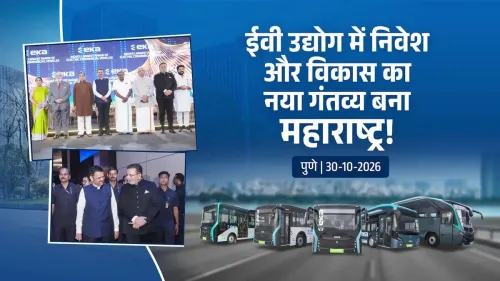
CM Devendra Fadnavis declared Maharashtra will become India's leading electric vehicle manufacturing centre.
Fadnavis visited Aryan Pumps' Global Design and Innovation Centre , underlining the state's focus on homegrown manufacturing innovation.
Tata Capital's CSR initiatives were cited by the CM as important to Maharashtra's inclusive and sustainable development.
PM Narendra Modi emphasised science and technology as key tools for raising farmer incomes, a theme the Maharashtra CMO included in its day's summary.
The state's EV ambition aligns with India's national FAME scheme , in place since 2015, which incentivises domestic EV production.
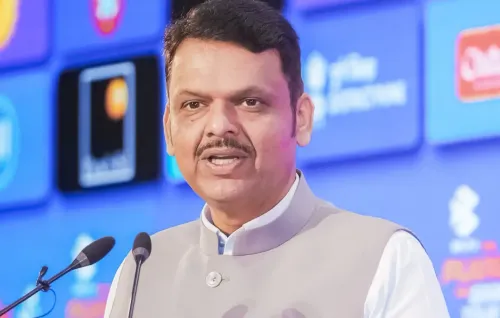
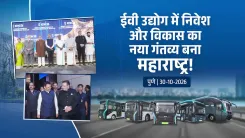
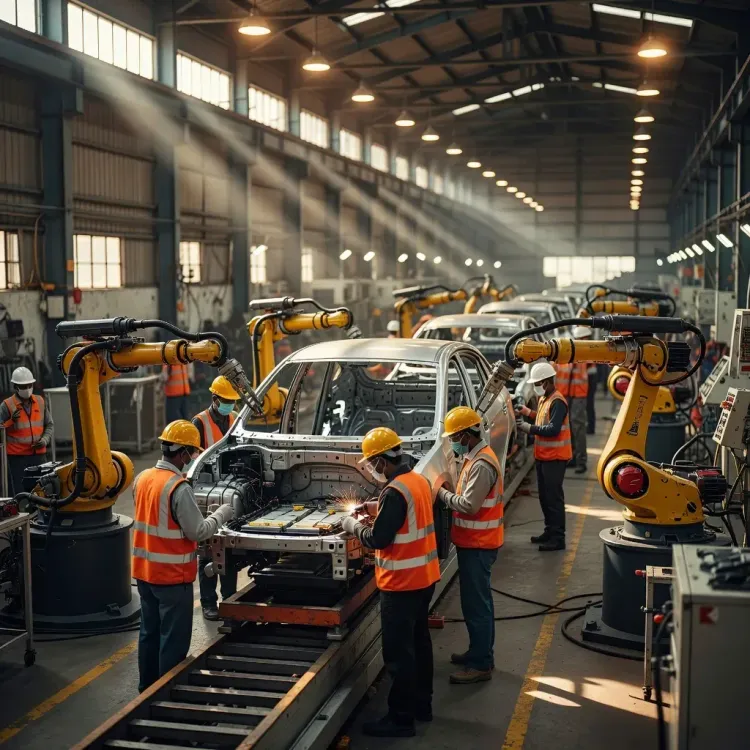
Maharashtra is aiming for pole position in India's electric vehicle revolution. On Friday, 30 October 2026, the Chief Minister's Office of Maharashtra released its end-of-day bulletin anchored by a bold declaration from Chief Minister Devendra Fadnavis: the state will become the country's foremost centre for electric vehicle manufacturing.
Fadnavis plants Maharashtra's flag on India's EV map
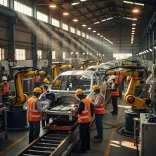
The day's headline claim — 'महाराष्ट्र इलेक्ट्रिक वाहन निर्मितीचे देशातील प्रमुख केंद्र बनणार' ('Maharashtra will become the country's leading centre for electric vehicle manufacturing') — comes as India accelerates its green mobility agenda. Maharashtra already hosts a dense cluster of auto-sector suppliers, logistics corridors, and port access, giving it structural advantages that Fadnavis has increasingly framed as a launchpad for next-generation industry.
The ambition dovetails with India's national FAME (Faster Adoption and Manufacturing of Electric Vehicles) scheme, first launched in 2015, which has steadily pushed states to compete for EV investment by offering land, power, and fiscal incentives to manufacturers.
Aryan Pumps visit and the innovation centre signal
The bulletin also noted CM Fadnavis's visit to Aryan Pumps' Global Design and Innovation Centre — a Maharashtra-based engineering firm. The optics matter: a sitting chief minister walking the floor of a homegrown manufacturer's global design hub is a deliberate signal to industry that the state's leadership is personally invested in deepening the innovation ecosystem, not just announcing it from podiums.
Tata Capital CSR and inclusive growth
Tata Capital's corporate social responsibility initiatives also featured in the day's summary, with Fadnavis describing them as 'important for Maharashtra's inclusive development.' Tata Capital, part of the sprawling Tata Group, has been active in CSR projects across states; the CM's endorsement keeps a high-profile private-sector partner publicly aligned with the state government's development narrative.
Modi's agriculture-technology push anchors the day
Rounding out the bulletin, Prime Minister Narendra Modi's emphasis on science and technology as tools to raise farmer incomes gave the day's agenda a rural dimension. Modi has consistently tied agricultural productivity to technology adoption — from soil health cards to drone-based fertiliser application — and the CMO's inclusion of his statement signals a deliberate effort to present the state's growth story as both industrial and agrarian.
Maharashtra's pivot toward EV leadership, innovation-centre diplomacy, private-sector CSR partnerships, and farm-tech adoption is a composite strategy — and the pace at which these threads are being woven together publicly suggests the state is preparing the ground for a larger investment announcement.
Point of View
Fadnavis is constructing a layered narrative — technology, capital, and social responsibility — that speaks simultaneously to global investors and domestic voters. The inclusion of PM Modi's agriculture-technology message suggests deliberate state-centre alignment, ensuring Maharashtra's industrial ambitions do not appear detached from rural India's concerns. Watch for a formal EV policy package or an investment conclave announcement from the state in the coming weeks.
NationPress
31 Oct 2026
Frequently Asked Questions
Why is Maharashtra aiming to become India's EV manufacturing hub?
Maharashtra has a large existing auto-sector supply chain, port connectivity, and industrial corridors that give it structural advantages for EV production. CM Devendra Fadnavis declared on 30 October 2026 that the state will leverage these strengths to lead the country in electric vehicle manufacturing, aligned with India's national FAME scheme.
What is the FAME scheme and how does it relate to Maharashtra's EV plans?
The FAME (Faster Adoption and Manufacturing of Electric Vehicles) scheme was launched by the Government of India in 2015 to accelerate EV production and adoption. Maharashtra's push to attract EV investment is directly supported by the incentives and framework this national scheme provides to states.
What is Aryan Pumps' Global Design and Innovation Centre?
Aryan Pumps is a Maharashtra-based engineering firm that operates a Global Design and Innovation Centre. CM Fadnavis visited the facility on 30 October 2026 as part of his engagement with the state's industrial and innovation ecosystem.
What is Tata Capital's role in Maharashtra's development?
Tata Capital, the financial services arm of the Tata Group, runs corporate social responsibility initiatives in Maharashtra. CM Fadnavis described these CSR programmes as important for the state's inclusive and sustainable development goals.
What did PM Modi say about farmers and technology on 30 October 2026?
According to the Maharashtra CMO's daily bulletin, PM Narendra Modi emphasised giving priority to science, technology, and comprehensive measures to increase farmers' incomes — a message the state government highlighted as complementary to its own sustainable development objectives.