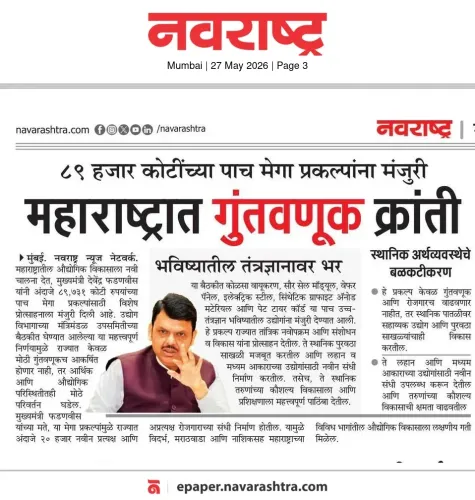
CM Fadnavis Drives Investment Push in Maharashtra
Synopsis
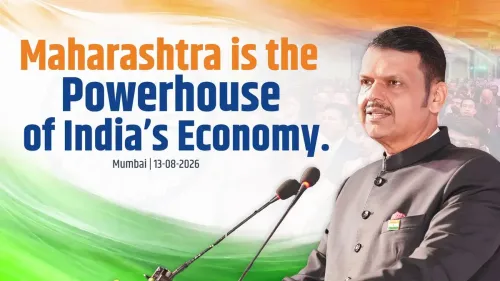
The Chief Minister's Office of Maharashtra on 27 May 2026 spotlighted CM Devendra Fadnavis's drive to boost state investment, signalling an active push to attract industrial capital and position Maharashtra as a top destination for domestic and foreign investors.
Key Takeaways
The Chief Minister's Office of Maharashtra posted on 27 May 2026 about giving impetus to investment in the state.
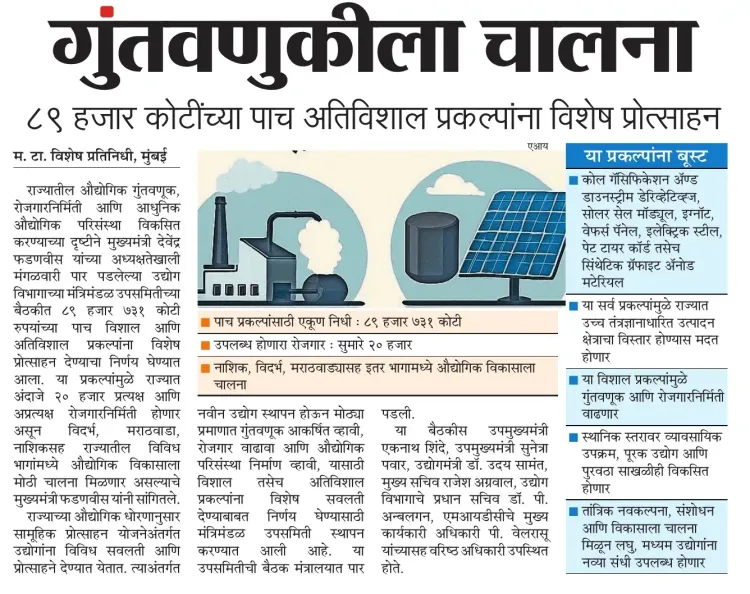
The post tagged CM Devendra Fadnavis and used the Marathi phrase 'गुंतवणुकीला चालना' , meaning 'Giving impetus to investment'.
Maharashtra is India's largest economic state, with Mumbai as the country's financial capital, making it a key arena for investment competition.
The state competes with Gujarat and Tamil Nadu for domestic and foreign direct investment across manufacturing, logistics, and technology sectors.
Industrial clusters in Pune , Nashik , Aurangabad , and Nagpur are among the regions likely to be targeted by any new investment-promotion measures.
Follow-up policy notifications, budget announcements, or investment summits will be the key indicators of concrete action on this stated intent.
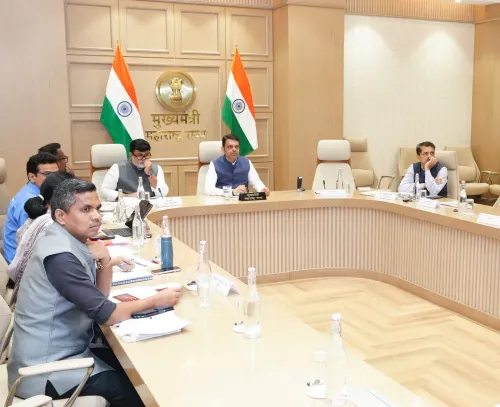
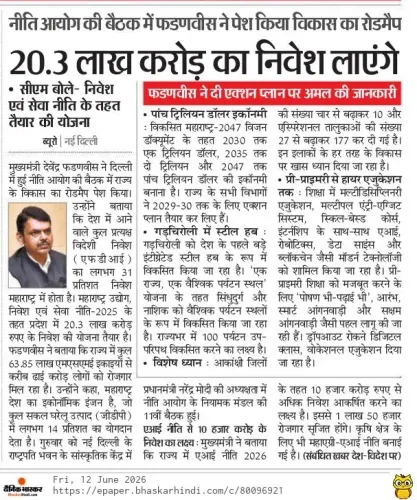
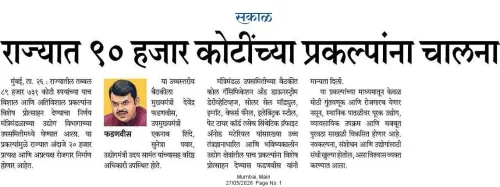
The Chief Minister's Office of Maharashtra posted on Wednesday, 27 May 2026, highlighting Chief Minister Devendra Fadnavis's efforts to boost investment in the state, tagging the initiative under the phrase 'गुंतवणुकीला चालना' — meaning 'Giving impetus to investment' in Marathi.
Context
The post, shared from the official CMO Maharashtra account, signals a fresh push by the Fadnavis-led government to position Maharashtra as a premier investment destination. The Marathi phrase used — 'गुंतवणुकीला चालना' ('Giving impetus to investment') — is a deliberate signal to both domestic and international investors that the state administration is actively facilitating industrial growth.
Devendra Fadnavis, a senior Bharatiya Janata Party leader, has previously championed industrial development during his earlier tenure as Chief Minister from 2014 to 2019, when the state rolled out successive industrial policy frameworks aimed at attracting manufacturing units and services-sector players.
Policy Backdrop
Maharashtra has long maintained its status as India's leading economic state, with Mumbai serving as the country's financial capital. State governments across political formations have periodically revised industrial policies through the 2010s and beyond, offering incentives ranging from land acquisition support and power tariff concessions to fast-track clearances for large projects.
The state competes closely with peers such as Gujarat and Tamil Nadu in attracting both domestic and foreign direct investment, particularly in sectors such as manufacturing, logistics, information technology, and renewable energy. Ease-of-doing-business rankings and infrastructure corridor development have been central planks of this competition.
Stakeholders and Impact
The primary beneficiaries of an investment-promotion drive would be industrial units, domestic investors, and foreign companies scouting for manufacturing or services bases in western India. Employment generation — especially in Maharashtra's large semi-urban and rural hinterland — is typically cited as the downstream social benefit of such initiatives.
Small and medium enterprises that form the backbone of the state's industrial clusters in cities such as Pune, Nashik, Aurangabad, and Nagpur stand to gain if the push translates into streamlined approvals, better infrastructure connectivity, or targeted financial incentives. Labour unions and workers in these clusters are also key stakeholders watching for job-creation outcomes.
What's Next
Observers will look to forthcoming state budget presentations, investment summits, and official policy notifications to gauge the concrete shape of this investment push. Any announcement of sector-specific incentive packages or major project approvals would be the clearest indicator of follow-through on the stated intent.
The CMO Maharashtra's use of social media to frame the investment narrative suggests that public communication around industrial policy will remain an active front for the Fadnavis government in the period ahead, with further announcements likely to be amplified through official digital channels.
Point of View
And such communications are as much targeted at investor confidence as they are at domestic political audiences. For Fadnavis, associating his leadership with industrial growth builds on a brand he cultivated during his 2014-2019 tenure. The brevity of the post, however, means its real significance will only become clear when concrete policy action follows.
NationPress
26 Aug 2026
Frequently Asked Questions
What does 'गुंतवणुकीला चालना' mean?
'गुंतवणुकीला चालना' is a Marathi phrase meaning 'Giving impetus to investment.' It was used by the Chief Minister's Office of Maharashtra in a post on 27 May 2026 to describe CM Devendra Fadnavis's efforts to attract industrial investment to the state.
What is Devendra Fadnavis doing for investment in Maharashtra?
CM Devendra Fadnavis is leading a push to attract domestic and foreign investment to Maharashtra, building on the state's established industrial policy frameworks and its position as India's largest economic state.
Why is Maharashtra important for investment in India?
Maharashtra is India's most industrialised state and home to Mumbai, the country's financial capital. It hosts major manufacturing clusters in Pune, Nashik, Aurangabad, and Nagpur, and competes with Gujarat and Tamil Nadu for top investment destination rankings.
What sectors benefit from Maharashtra's investment push?
Key sectors targeted by Maharashtra's investment promotion efforts typically include manufacturing, logistics, information technology, renewable energy, and services — all of which have significant presence in the state's industrial clusters.
What should investors watch for next from the Maharashtra government?
Investors and analysts should watch for state budget announcements, investment summit dates, and official policy notifications that could detail new incentives, infrastructure commitments, or major project approvals linked to this investment push.