CM Dhami: Protect Ecology, Strengthen Uttarakhand's Economy
Synopsis
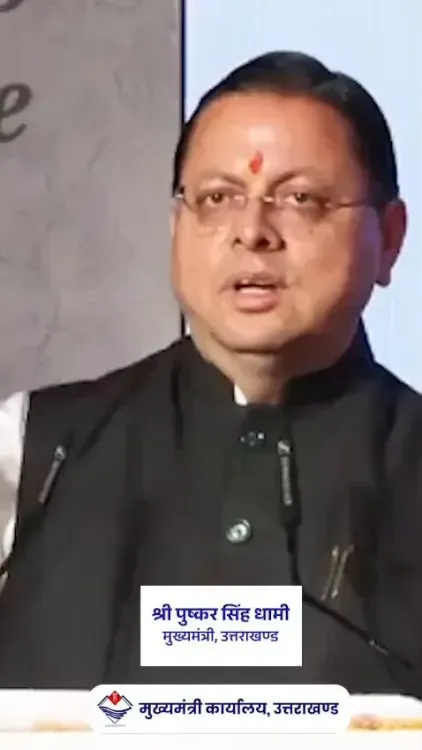
Chief Minister Pushkar Singh Dhami on 1 August 2026 reaffirmed that protecting Uttarakhand's ecology is the foundation for growth in tourism, pilgrimage, and local self-employment — framing conservation as an economic imperative for the Himalayan state.
Key Takeaways
CM Pushkar Singh Dhami stated on 1 August 2026 that ecological protection directly strengthens Uttarakhand's economy.
He specifically linked ecology to three pillars: tourism , pilgrimage (tirthataan) , and local self-employment (swarozgar) .
Uttarakhand's economy is structurally dependent on its Himalayan terrain, making environmental health an economic variable.
The state has linked conservation to tourism revenue since the early 2010s , making this a long-standing governing philosophy.
Local self-employment — guides, home-stay operators, artisans — is the sector most immediately exposed to ecological degradation.
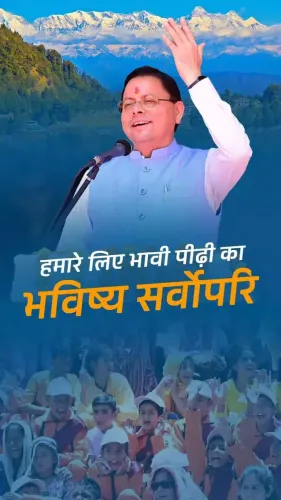
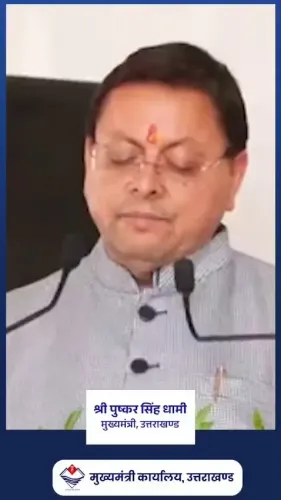
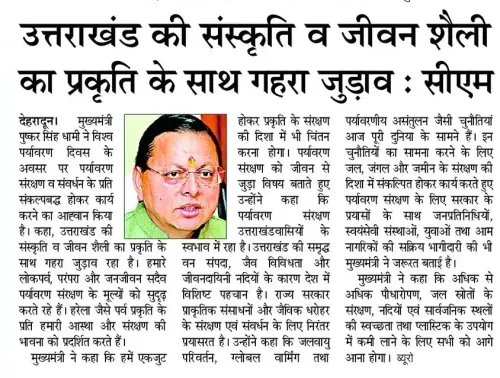
Ecology first, economy next — and in Uttarakhand, the two are inseparable. Chief Minister Pushkar Singh Dhami made that case plainly on Saturday, 1 August 2026, arguing that the state's environmental health is the foundation on which its tourism, pilgrimage, and local livelihoods stand.
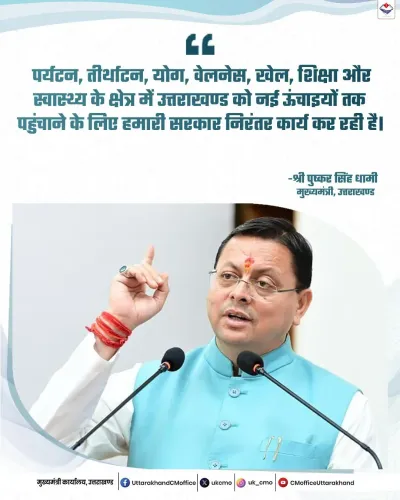
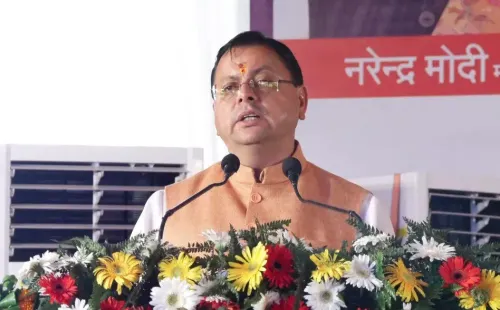
Speaking from Dehradun, CM Dhami stated: 'Hamari ecology surakshit rahegi toh hamari economy, visheshkar paryatan, tirthataan va sthaniya swarozgar se aur achhi hogi' — 'If our ecology remains protected, our economy, especially through tourism, pilgrimage, and local self-employment, will only grow stronger.'
Why the Himalayas can't afford to get this wrong
Uttarakhand is not a typical Indian state when it comes to economic geography. Its terrain — glaciers, river gorges, dense forest cover, high-altitude meadows — is both its greatest asset and its most fragile one. The state's economy leans heavily on pilgrim footfall to the Char Dham circuit and on adventure and eco-tourism, meaning any ecological degradation hits revenue and rural livelihoods almost immediately. Dhami's framing is not rhetorical; it is structural. The state has pursued sustainable tourism frameworks since the early 2010s, consistently linking forest and river conservation to visitor revenue and local enterprise. That policy lineage makes Dhami's statement a reaffirmation of a long-held governing philosophy rather than a departure from it.Local self-employment: the third pillar
Beyond the headline sectors of tourism and pilgrimage, Dhami specifically called out sthaniya swarozgar — local self-employment. This is the layer of the economy most directly tied to ecological conditions: guides, porters, home-stay operators, organic farmers, and artisans whose income tracks the health of the landscape around them. When rivers flood due to deforestation, or when trail ecosystems degrade, it is these workers who absorb the first shock. By naming self-employment alongside tourism and pilgrimage, the Chief Minister signalled that ecological policy in Uttarakhand is also a rural-jobs policy — a framing that broadens the political constituency for conservation measures.The pressure Uttarakhand faces
The Himalayan state sits at the intersection of climate vulnerability and development demand. Rapid infrastructure expansion — roads, hydro projects, urban sprawl around Dehradun — has repeatedly tested the balance between growth and conservation. Statements like Dhami's set a public benchmark: any project that undermines ecological security can, in this framework, be measured against its cost to the very economy it claims to serve. Watch for follow-up action on eco-tourism guidelines, environmental safeguards around the Char Dham corridor, or new regulations affecting local enterprises — those will be the test of whether this principle translates into policy. Uttarakhand has always known that its mountains are its economy. The question is whether governance can match that knowledge with consistent, enforceable action.Point of View
Not just an environmental one. By naming local self-employment alongside tourism and pilgrimage, he implicitly positions ecological safeguards as pro-poor policy, which is useful insulation against criticism that green regulations hurt development. The statement also sets a public benchmark: large infrastructure projects in the state can now be measured against this declared principle. Whether that benchmark is applied consistently will define its real political weight.
NationPress
15 Sept 2026
Frequently Asked Questions
What did CM Dhami say about Uttarakhand's ecology and economy?
CM Pushkar Singh Dhami said that if Uttarakhand's ecology remains protected, the state's economy — especially tourism, pilgrimage, and local self-employment — will grow stronger. He made this statement on 1 August 2026 in Dehradun.
Why is ecology so important to Uttarakhand's economy?
Uttarakhand's economy depends heavily on its Himalayan terrain. Tourism, pilgrimage circuits like Char Dham, and local livelihoods such as guides and home-stay operators are all directly tied to the health of the state's forests, rivers, and landscapes.
What is Char Dham and how does it relate to Uttarakhand's environment?
Char Dham is a major Hindu pilgrimage circuit in Uttarakhand comprising four high-altitude shrines. It draws millions of visitors annually, making the ecological health of the surrounding Himalayan terrain critical to the pilgrimage economy and local employment.
What is CM Dhami's policy on sustainable tourism in Uttarakhand?
CM Dhami has consistently framed ecological security as a prerequisite for sustainable tourism. Uttarakhand has pursued frameworks linking forest and river conservation to visitor revenue since the early 2010s, a policy line Dhami has continued and reinforced.
How does environmental protection affect local self-employment in Uttarakhand?
Local self-employed workers — including trekking guides, porters, organic farmers, and artisans — depend directly on healthy ecosystems. Deforestation, flooding, or trail degradation can immediately reduce their income, making ecological protection a rural-jobs issue as much as an environmental one.