CM Dhami flags border tourism push in Uttarakhand
Synopsis
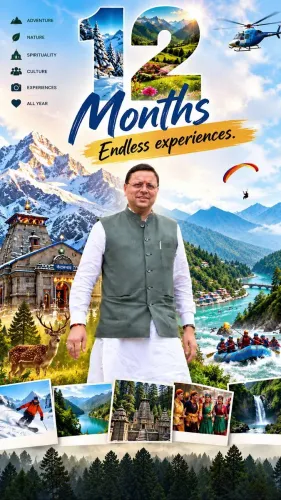
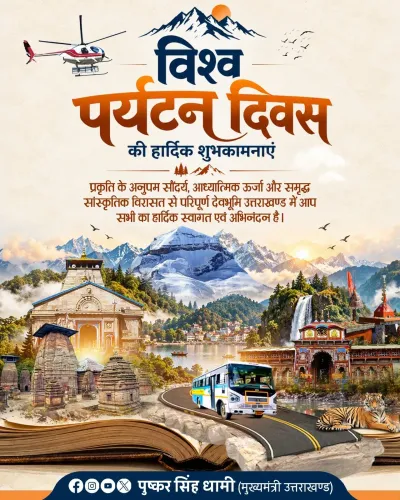
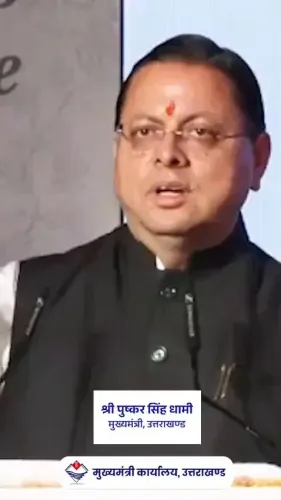
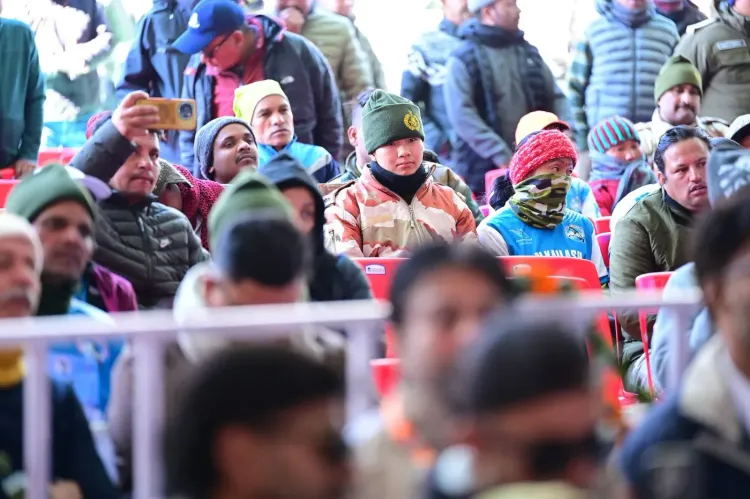
Uttarakhand CM Pushkar Singh Dhami on 25 October 2026 highlighted an event showcasing the state's spiritual heritage and natural beauty, calling it a catalyst for adventure tourism in Uttarakhand's sensitive border districts.
Key Takeaways
CM Pushkar Singh Dhami posted on 25 October 2026 about an event promoting Uttarakhand's spiritual heritage and border-area adventure tourism.
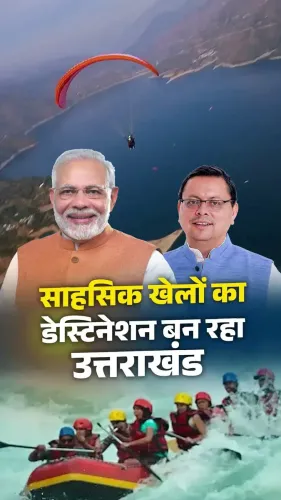
He said the event is giving 'new recognition' to the state's rich spiritual and natural assets while realising adventure tourism's 'immense potential' in border regions.
Uttarakhand borders both China and Nepal ; its border districts have historically faced economic challenges and outmigration.
The Char Dham pilgrimage circuit — Yamunotri, Gangotri, Kedarnath , and Badrinath — forms the backbone of the state's existing tourism economy.
The Char Dham National Highway project , announced in 2016 , has improved connectivity to both pilgrimage and border sites, enabling the adventure tourism push.
Active border communities serve a dual purpose: economic development and sustained civilian presence in strategically sensitive zones.
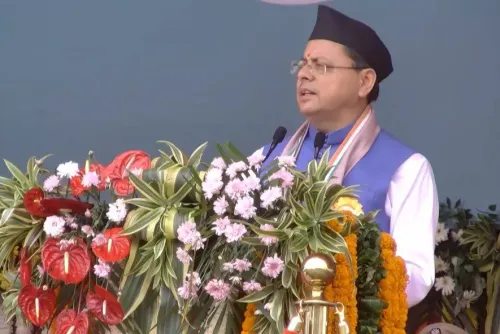
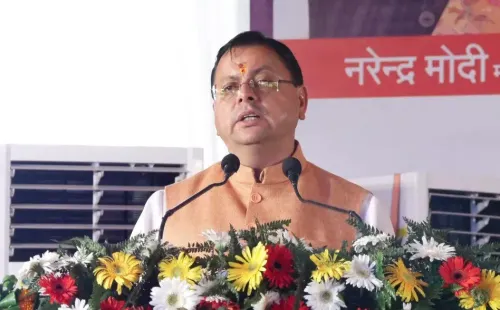
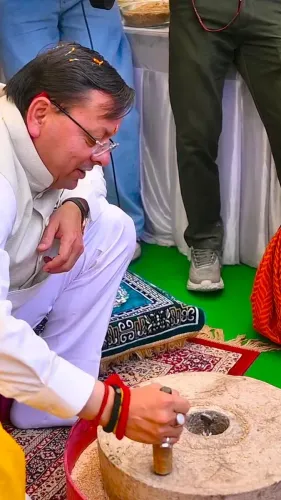
The mountains of Uttarakhand are being asked to do more than shelter shrines — they are being positioned as the frontier of a new adventure economy. Uttarakhand Chief Minister Pushkar Singh Dhami posted on X on Sunday, 25 October 2026, highlighting an ongoing event that he says is giving fresh identity to the state's spiritual heritage and natural beauty while unlocking adventure tourism potential in its border regions.
In his post, CM Dhami wrote: 'Yah aayojan na keval hamari samriddh aadhyatmik virasat aur prakritik saundarya ko nayi pahchaan de raha hai, balki seemant kshetron mein sahasik paryatan ki apaar sambhavanaon ko bhi saakaar kar raha hai.' — 'This event is not only giving new recognition to our rich spiritual heritage and natural beauty, but is also realising the immense potential of adventure tourism in border areas.'
Uttarakhand's twin engine: pilgrimage meets adventure
The framing is deliberate. Uttarakhand, which shares borders with both China and Nepal, has long anchored its tourism economy on the Char Dham pilgrimage circuit — the four sacred temples of Yamunotri, Gangotri, Kedarnath, and Badrinath that draw millions of visitors each year. What Dhami's post signals is an intent to layer a fast-growing adventure tourism segment on top of that established base, specifically in the remoter seemant kshetron (border areas) that have historically seen lower economic activity.
The logic is straightforward: the same high-altitude terrain that makes border districts logistically challenging also makes them uniquely attractive for trekking, river rafting, camping, and high-altitude expeditions. Infrastructure built for one purpose tends to serve the other.
The road that came first — the Char Dham Highway project
The foundation for this dual push was laid in 2016, when the Char Dham National Highway project was announced to improve all-weather connectivity to pilgrimage and border sites. Better roads to Kedarnath or Badrinath are also better roads to trailheads, river camps, and homestays — a compounding dividend that state governments have worked to exploit ever since. CM Dhami, who has been in office since 2021, has continued and deepened this approach, framing border district development as simultaneously a security, economic, and cultural priority.
Why the border districts matter beyond tourism
Investment in seemant regions carries strategic weight that goes beyond visitor numbers. Populated, economically active border villages reduce outmigration — a persistent challenge in Uttarakhand's hill districts — and maintain a civilian presence in areas of geographic sensitivity. Tourism infrastructure, from roads to homestays to helipads, doubles as general-purpose connectivity. For local communities, adventure tourism offers income streams that complement agriculture and traditional crafts without displacing them.
Whether the specific event Dhami referenced translates into measurable visitor figures or investment commitments will be the sharper test of the strategy — and one that state tourism department data will eventually have to answer.
Point of View
The Chief Minister is reinforcing the Centre's broader 'Vibrant Villages' narrative, which seeks to reverse outmigration from border areas through visible investment. The move also keeps Uttarakhand competitive as Himalayan states like Himachal Pradesh and Sikkim intensify their own adventure tourism offerings. Whether the state can convert political messaging into measurable tourist arrivals and infrastructure completion in border districts will determine how durable this brand pivot proves.
NationPress
25 Oct 2026
Frequently Asked Questions
What did CM Pushkar Singh Dhami say about Uttarakhand tourism on 25 October 2026?
CM Dhami said an ongoing event is giving new recognition to Uttarakhand's spiritual heritage and natural beauty while also realising the immense adventure tourism potential of the state's border areas.
Which are the Char Dham pilgrimage sites in Uttarakhand?
The four Char Dham sites are Yamunotri, Gangotri, Kedarnath, and Badrinath — all located in Uttarakhand and together drawing millions of pilgrims every year.
Why is Uttarakhand focusing on adventure tourism in border areas?
Border districts face economic challenges and outmigration; adventure tourism leverages the same high-altitude terrain that makes these areas remote, generating income for local communities while maintaining a civilian presence in strategically sensitive zones.
What is the Char Dham National Highway project?
The Char Dham National Highway project, announced in 2016, aims to provide all-weather road connectivity to the four pilgrimage sites and border areas of Uttarakhand, with road access also benefitting adventure tourism operators.
Who is Pushkar Singh Dhami?
Pushkar Singh Dhami is the Chief Minister of Uttarakhand and a BJP leader who has held the post since 2021, with tourism development and border-area infrastructure among his key policy focuses.