Shekhawat hails Mann Ki Baat as PM Modi's 'pilgrimage' to honour citizens
Synopsis
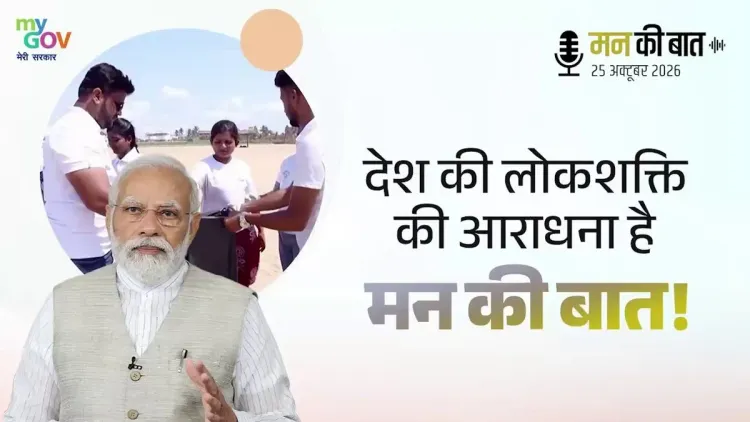
Union Culture and Tourism Minister Gajendra Singh Shekhawat praised Mann Ki Baat as PM Modi's 'pilgrimage' to honour citizens, describing the monthly All India Radio programme — running since October 2014 — as a 'family conversation of belonging' for millions of Indians.
Key Takeaways
Minister Gajendra Singh Shekhawat posted on 25 October 2026 reflecting on the significance of Mann Ki Baat .
PM Modi has described the programme as a 'pilgrimage' to acknowledge those who serve society and the nation.
Citizens' messages to the programme describe it as feeling like 'a family conversation of belonging.' Mann Ki Baat was launched on All India Radio in October 2014 and has maintained a consistent monthly format.
Shekhawat framed the broadcast in the cultural language of teertha yatra (pilgrimage), connecting it to his ministerial brief on culture.
For Prime Minister Narendra Modi, hosting Mann Ki Baat is not a broadcast — it is, in his own words, a pilgrimage. Union Culture and Tourism Minister Gajendra Singh Shekhawat amplified that sentiment on Sunday, 25 October 2026, sharing a reflection on what the monthly radio programme means to ordinary Indians and to the Prime Minister himself.
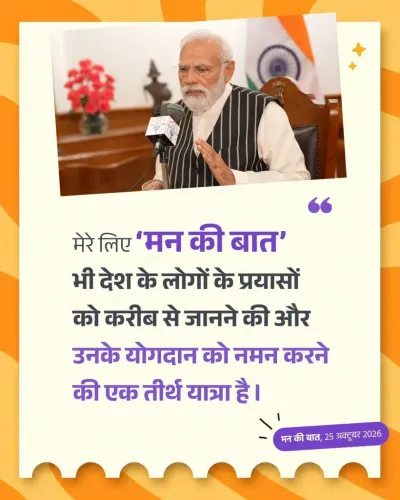
Posting in Hindi, Shekhawat wrote that 'Mann Ki Baat' ('Matters of the Heart') is 'an opportunity to honour the hard work, courage, dedication, and spirit of service of the common people of the country.' He noted that PM Modi has described the programme as 'a pilgrimage — a way to come close to the contributions of those who work for society and the nation, and to bow before them.'
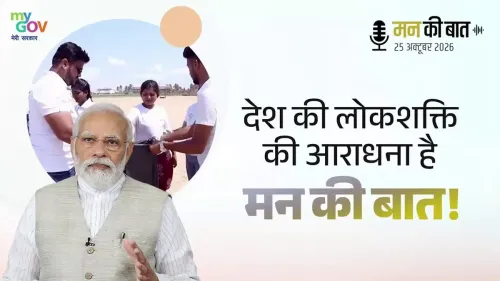
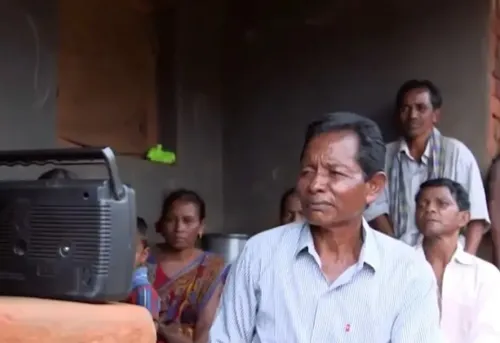
Equally telling, Shekhawat wrote, is how listeners receive it: messages from citizens suggest that Mann Ki Baat feels to them 'like a conversation of belonging that happens within a family.'
A direct line since October 2014
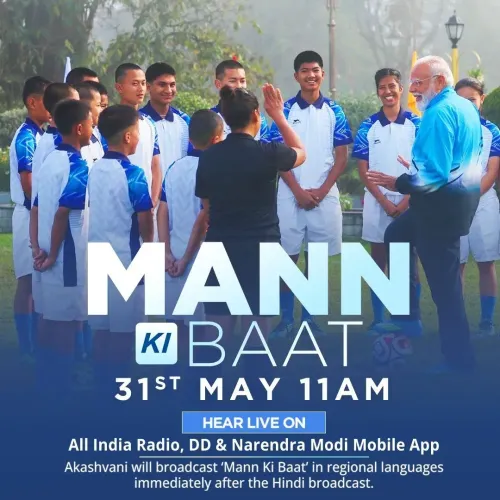
Mann Ki Baat was launched by PM Modi in October 2014 on All India Radio, making this year's October episode a marker in the programme's twelve-year run. The format has remained deliberately consistent: the Prime Minister speaks directly to citizens — without an interviewer, without a studio audience — spotlighting individual stories of grassroots service, innovation, and social contribution.
The programme has served as a recurring vehicle for the government to weave citizen narratives into its broader development story. Episodes often coincide with national festivals or the rollout of key government initiatives, giving the broadcast an organic anchor in the Indian calendar.
Why a Culture Minister's amplification matters
Shekhawat's post is notable not just as routine party amplification. As Union Minister of Culture and Tourism and a senior BJP leader from Jodhpur, Rajasthan, his framing — pilgrimage, family, belonging — is drawn from the cultural vocabulary that sits at the centre of his ministerial brief. Casting a radio address in the language of teertha yatra (pilgrimage) elevates it from a policy communication tool to something closer to a civic ritual.
That framing also reflects a deliberate administrative emphasis: public recognition of unsung contributors as both social policy and national narrative.
Twelve years in, Mann Ki Baat endures as perhaps India's most unusual prime-ministerial habit — a scheduled monthly moment where the country's most powerful office tunes in to listen, not just speak.
Point of View
Unmediated, to an audience of hundreds of millions. Shekhawat's invocation of pilgrimage and family belonging is not incidental; it maps the programme onto deeply resonant cultural categories, reinforcing its perceived legitimacy beyond a party-political frame. The Culture Minister's amplification also signals that the BJP continues to treat the broadcast as a whole-of-government asset, not merely a PMO product. After twelve years, the durability of the format itself has become the message.
NationPress
25 Oct 2026
Frequently Asked Questions
What is Mann Ki Baat?
Mann Ki Baat is a monthly radio programme on All India Radio hosted by Prime Minister Narendra Modi, launched in October 2014, in which he speaks directly to citizens about grassroots stories of service, innovation, and national development.
When did Mann Ki Baat start?
Mann Ki Baat was launched in October 2014 by Prime Minister Narendra Modi, making it over twelve years old as of October 2026.
What did Gajendra Singh Shekhawat say about Mann Ki Baat?
Union Culture and Tourism Minister Gajendra Singh Shekhawat said the programme is an opportunity to honour ordinary citizens' hard work and service, and noted that PM Modi views it as a 'pilgrimage' to acknowledge those who contribute to society and the nation.
Who is Gajendra Singh Shekhawat?
Gajendra Singh Shekhawat is the Union Minister of Culture and Tourism, a senior BJP leader, and a Lok Sabha MP representing Jodhpur, Rajasthan.
Why does PM Modi call Mann Ki Baat a pilgrimage?
According to Shekhawat's post, PM Modi uses the pilgrimage metaphor to convey that the programme is his way of coming close to the contributions of people working for society and the nation, and paying tribute to them.