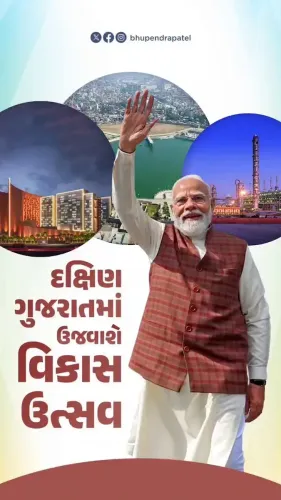
CM Bhupendra Patel Reviews BJP Prep for PM Modi's Gujarat Visit
Synopsis
Gujarat CM Bhupendra Patel watched PM Modi's October 2026 Mann Ki Baat address with BJP workers in Surat, then chaired a South Zone organisational review to prepare for the Prime Minister's two-day Gujarat visit on 30–31 October.
Key Takeaways
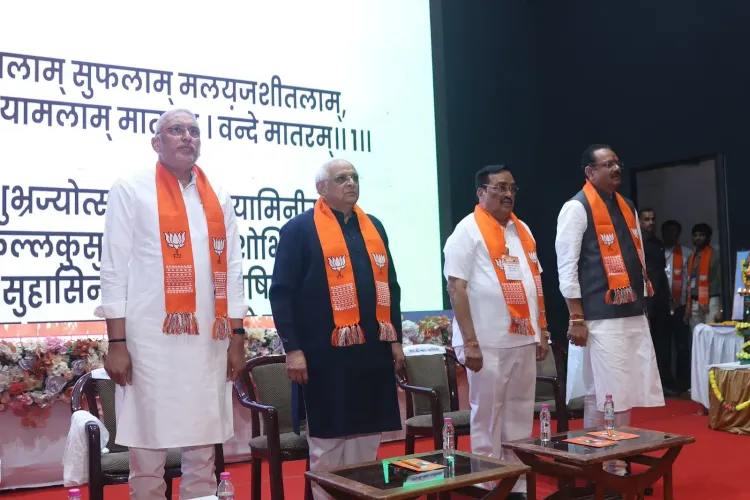
Gujarat CM Bhupendra Patel attended a collective Mann Ki Baat viewing session with BJP karyakartas in Surat on 25 October 2026 .
PM Modi's address covered millet farming, fibre optics, the Valmiki Ramayana , and modern technology.
Following the broadcast, Patel chaired a meeting with South Zone BJP office-bearers to review organisational preparations.
The meeting was held ahead of PM Modi's scheduled Gujarat visit on 30–31 October 2026 .
The specific public agenda for the PM's visit has not yet been officially confirmed.
With Prime Minister Narendra Modi's Gujarat visit on 30–31 October just days away, Gujarat Chief Minister Bhupendra Patel gathered BJP South Zone functionaries and workers in Surat on Sunday, 25 October 2026 to review organisational readiness — using the occasion of the PM's latest Mann Ki Baat address as both inspiration and launchpad.
A 'Mann Ki Baat' listening session doubles as a prep rally
Before the organisational meeting got under way, CM Patel and party workers watched PM Modi's monthly radio programme together. In his post, Patel described the address as 'preranadayak' (inspiring), noting that the Prime Minister wove together topics as varied as millet farming, fibre optics, the Valmiki Ramayana, and modern technology into a single, cohesive message. The breadth of themes is characteristic of Mann Ki Baat, which PM Modi launched in October 2014 as a direct-to-citizen radio channel connecting government priorities with everyday cultural touchstones.
Collective viewing of the programme by BJP karyakartas has become a ritual across the party's state units — a way of synchronising messaging from the top down before on-ground work begins. Surat, a commercial powerhouse and a reliably strong BJP belt, was a fitting venue for that alignment.
South Zone BJP put on notice ahead of the PM's arrival
After the broadcast, CM Patel convened a dedicated review meeting with South Zone BJP office-bearers and workers to assess preparations for the Prime Minister's two-day Gujarat programme on 30 and 31 October. The specific agenda of that visit has not been confirmed, but the organisational machinery is clearly being primed well in advance.
Gujarat is PM Modi's home state, and his visits here carry both political and symbolic weight. The BJP's track record of meticulous pre-visit coordination — reviewing worker deployment, logistics, and outreach — reflects the party's tight grip on its most important state bastion. A CM-level review meeting five days before arrival signals that the visit is expected to be significant in scale.
What Modi's address said — and why the party is listening closely
The juxtaposition of millets and fibre optics in a single address is a deliberate Modi signature: rooting futuristic policy ambitions in India's agrarian and classical heritage. The reference to the Valmiki Ramayana alongside modern technology is not incidental — it is the programme's recurring grammar, blending cultural pride with a developmental narrative. For BJP workers preparing for a major visit, that grammar becomes the talking points they carry to the ground.
Point of View
Hosting such a session in Surat — rather than Gandhinagar — signals an intent to mobilise the party's South Gujarat base specifically. PM Modi's home-state visits have historically served dual purposes: launching or flagging flagship programmes and reinforcing the BJP's grassroots network ahead of electoral cycles. The five-day lead time on a CM-level review suggests the October 30–31 itinerary carries more than routine ceremonial weight.
NationPress
25 Oct 2026
Frequently Asked Questions
What is Mann Ki Baat and when did PM Modi start it?
Mann Ki Baat is a monthly radio address by Prime Minister Narendra Modi, launched in October 2014, in which he speaks directly to citizens on topics ranging from agriculture and culture to science and technology.
Why did CM Bhupendra Patel hold a meeting in Surat on 25 October 2026?
CM Patel convened a South Zone BJP organisational meeting in Surat to review preparations for Prime Minister Modi's scheduled two-day visit to Gujarat on 30–31 October 2026.
What topics did PM Modi cover in the October 2026 Mann Ki Baat?
According to CM Patel's post, PM Modi addressed millet farming, fibre optics, the Valmiki Ramayana, and modern technology during the October 2026 edition of Mann Ki Baat.
What is PM Modi's itinerary for his Gujarat visit on 30–31 October 2026?
The specific agenda for PM Modi's Gujarat visit on 30–31 October 2026 has not been officially confirmed; CM Patel's meeting was focused on organisational preparedness for the visit.
What is the BJP South Zone unit in Gujarat?
The South Zone is one of the BJP's regional organisational divisions within Gujarat, covering areas including Surat and surrounding districts, with dedicated office-bearers and worker networks.