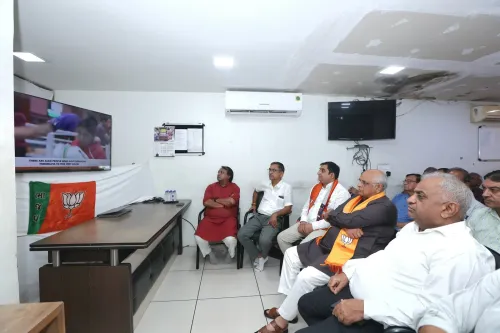
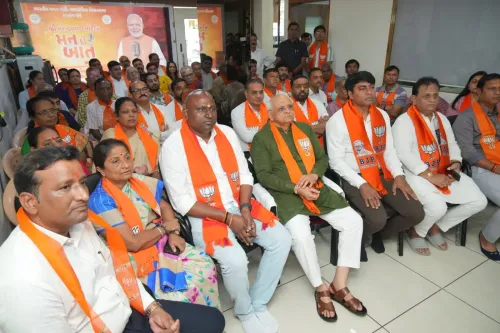
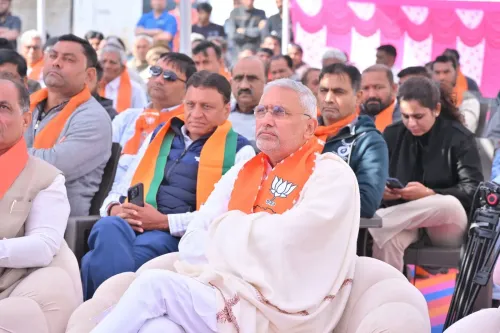
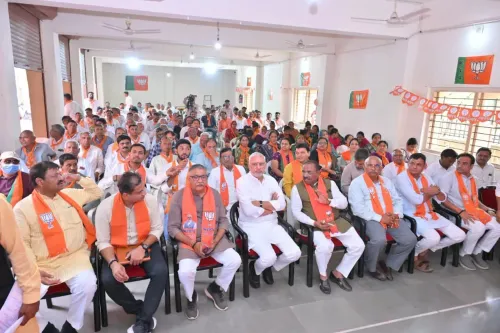
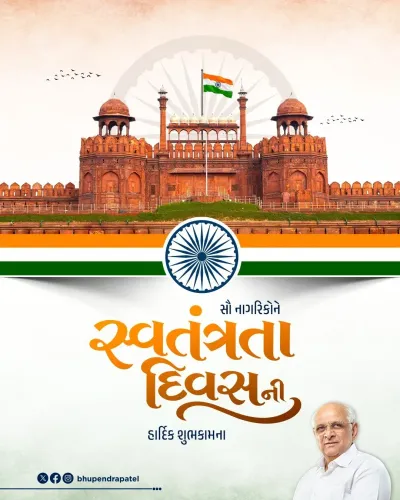
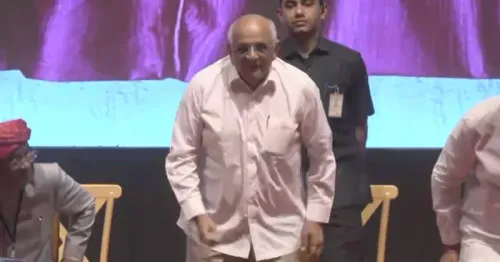
CM Bhupendra Patel watches Mann Ki Baat with Ghatlodia workers
Synopsis
Gujarat Chief Minister Bhupendra Patel joined party workers from his Ghatlodia constituency on 31 May 2026 to watch PM Modi's Mann Ki Baat, which covered Gujarat's Kesar mango, astronomy, and summer heat-safety appeals.
Key Takeaways
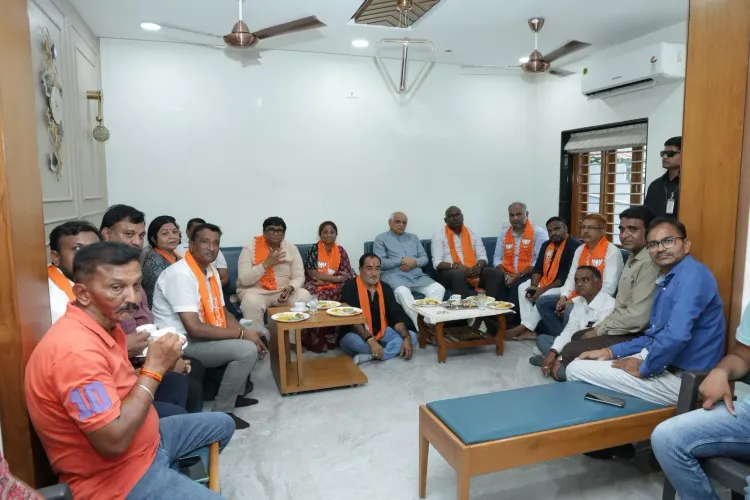
Gujarat Chief Minister Bhupendra Patel hosted a collective Mann Ki Baat viewing session with workers from his Ghatlodia assembly constituency on 31 May 2026 .
PM Narendra Modi addressed topics ranging from Gujarat's Kesar mango to astronomy during the episode.
Modi appealed to citizens to take special care of themselves and family members during the ongoing extreme heat.
Ahmedabad pioneered India's first city-level Heat Action Plan in 2010 , a model later expanded statewide.
Collective BJP listening sessions for Mann Ki Baat are a standard grassroots alignment practice across states.
Kesar mango is a GI-tagged variety cultivated in Gujarat's Gir-Somnath and Amreli districts.
Gujarat Chief Minister Bhupendra Patel on Sunday, 31 May 2026, joined party workers from his Ghatlodia assembly constituency to collectively watch Prime Minister Narendra Modi's monthly radio address, Mann Ki Baat, underlining the BJP's practice of using the programme as a grassroots alignment exercise.
Patel shared on X that the Prime Minister covered a wide range of subjects during the address — from Gujarat's Kesar mango to astronomy — and urged citizens to take special care of themselves and their families during the intense summer heat. The Chief Minister wrote in Gujarati: 'અત્યંત કપરી ગરમીના આ દિવસોમાં પોતાની અને પોતાના પરિવારના સભ્યોની વિશેષ કાળજી લેવાનો અનુરોધ' ['In these days of extreme heat, an appeal to take special care of oneself and one's family members'].
Context
Mann Ki Baat is a monthly nationwide radio programme launched by Prime Minister Modi in October 2014 as a direct communication channel with citizens. The programme regularly weaves together local cultural symbols, scientific themes, and public-health advisories into a single national message. Collective listening sessions organised by state-level BJP leaders have become a standard feature of the programme's outreach model.
Patel, who represents Ghatlodia in the Ahmedabad district, hosted workers from the constituency, reinforcing the party's effort to ensure central messaging reaches booth-level cadre across Gujarat.
Policy Backdrop
The Prime Minister's appeal for heat precautions arrives against the backdrop of documented rises in extreme temperature events across western India. Gujarat has a long-standing institutional response to summer heat: Ahmedabad pioneered India's first city-level Heat Action Plan in 2010, a model subsequently expanded statewide and replicated in other Indian cities.
Modi's reference to Kesar mango — a Geographical Indication (GI)-tagged variety cultivated primarily in the Gir-Somnath and Amreli districts of Gujarat — links a flagship agricultural product of the state to the national platform, a recurring pattern in Mann Ki Baat episodes that highlight regional produce and crafts.
Stakeholders and Impact
BJP party workers and booth-level volunteers are the immediate audience for such collective viewing events, which serve to synchronise grassroots messaging with the Prime Minister's communication. Gujarat's mango cultivators, particularly those in the Saurashtra belt, benefit from the national visibility that such mentions generate for their produce.
For ordinary citizens, the heat-safety advisory carries practical relevance: peak summer temperatures in Ahmedabad and other Gujarat cities regularly exceed 42°C, and public-health authorities routinely issue heatwave warnings during May and June. The Prime Minister's personal appeal through a mass-reach platform amplifies official state advisories.
What's Next
Observers will watch subsequent Mann Ki Baat episodes for any follow-up references to Gujarat agriculture or space-science initiatives flagged in this address. At the state level, Gujarat authorities are expected to continue rolling out their annual summer heat-preparedness measures, including distribution of oral rehydration salts and activation of cooling centres in urban areas. The collective listening format is likely to be replicated by BJP units across other constituencies ahead of the next episode.
Point of View
Converting a radio address into a party-building event. The episode's dual focus on Kesar mango and astronomy reflects the programme's deliberate strategy of pairing local cultural pride with aspirational national themes. Modi's heat-safety advisory, delivered through a mass-reach platform, also complements Gujarat's institutional infrastructure — one of India's most developed state-level heat-action frameworks. Together, these elements reinforce a governance communication model where the Centre sets the agenda and state leaders visibly amplify it.
NationPress
15 Oct 2026
Frequently Asked Questions
What is Mann Ki Baat?
Mann Ki Baat is a monthly radio programme hosted by Prime Minister Narendra Modi, launched in October 2014, in which he addresses citizens on diverse national, cultural, and public-health topics.
Why did CM Bhupendra Patel watch Mann Ki Baat with party workers?
Chief Minister Patel organised a collective viewing with Ghatlodia constituency workers as part of the BJP's standard practice of using Mann Ki Baat sessions to align grassroots cadre with the Prime Minister's messaging.
What topics did PM Modi cover in this Mann Ki Baat episode?
According to CM Patel's post, PM Modi discussed Gujarat's Kesar mango, astronomy, and urged citizens to take special care of themselves and their families during the intense summer heat.
What is Kesar mango and why is it significant for Gujarat?
Kesar mango is a GI-tagged variety grown primarily in Gujarat's Gir-Somnath and Amreli districts in the Saurashtra region; it is one of the state's flagship agricultural exports and a symbol of regional identity.
What heat safety measures does Gujarat have in place?
Gujarat has one of India's most established heat-response frameworks, anchored by Ahmedabad's city-level Heat Action Plan introduced in 2010 and later expanded statewide, which includes public advisories, cooling centres, and oral rehydration distribution.