CM Himanta opens Guwahati's vertical gardens, seeks public feedback
Synopsis
Assam Chief Minister Himanta Biswa Sarma inaugurated vertical gardens in Guwahati on 15 October 2026, posting images of the installations and calling on residents to share feedback while he evaluates suggestions already received.
Key Takeaways
Assam CM Himanta Biswa Sarma announced the opening of Guwahati's vertical gardens on 15 October 2026 .
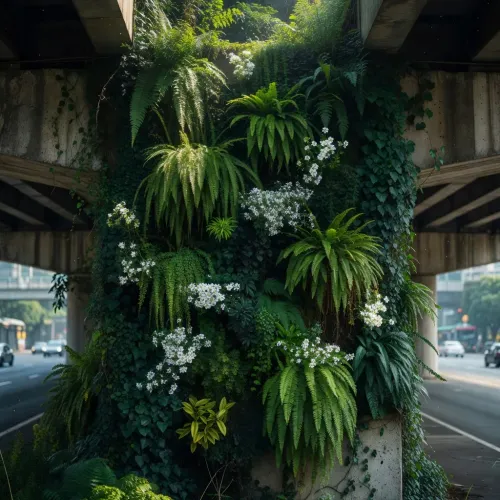
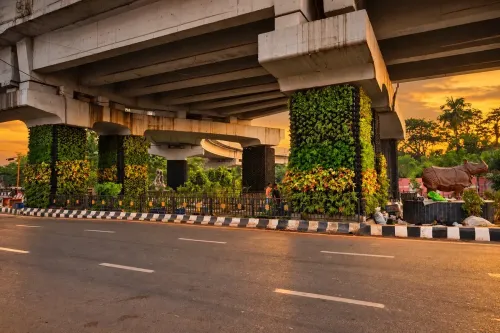
The announcement was accompanied by four images of the installations shared on X.
Sarma explicitly invited public feedback at the point of launch, not after a review period.
The CM stated he is already evaluating suggestions previously shared by citizens, indicating an ongoing input channel.
Vertical gardens are part of a broader pattern of visible urban improvement works undertaken in Guwahati by the state government.
Key questions ahead centre on long-term maintenance and whether the model will be replicated in other Assam towns.
Green walls have arrived in Guwahati. Assam Chief Minister Himanta Biswa Sarma on Thursday, 15 October 2026 announced the opening of the city's vertical gardens — a visible urban greening initiative — and immediately turned to residents for their response, signalling that the project is still being shaped by public input.
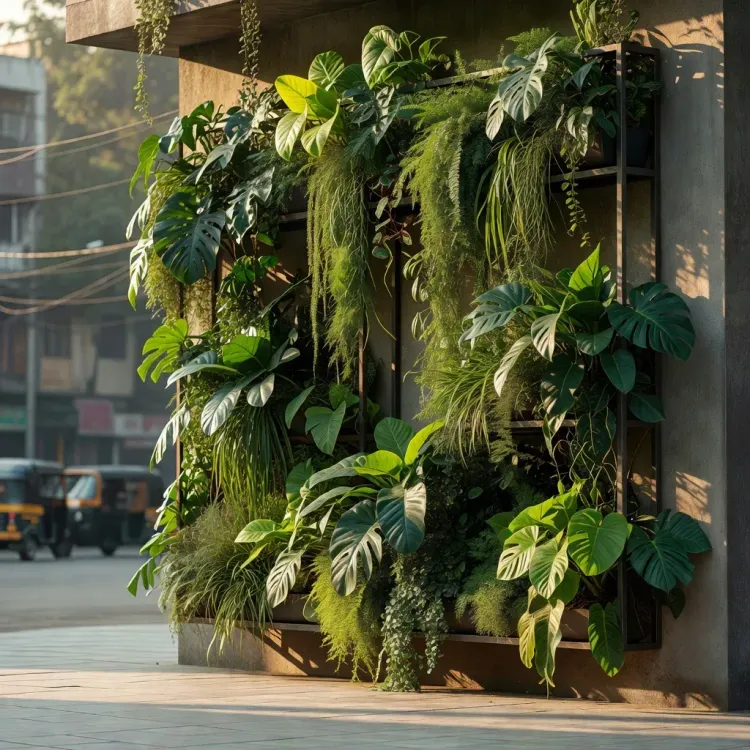
Posting on X alongside four images of the installations, CM Sarma wrote: 'The vertical gardens of Guwahati are now open! We seek your feedback on the same, while I evaluate all the suggestions you have shared with me.' The message is notable for its two-way framing: it is simultaneously an inauguration announcement and an open call for citizen critique.
What vertical gardens mean for Guwahati's streetscape
Vertical gardens — planted surfaces mounted on walls, pillars or purpose-built frames — are increasingly used in fast-growing South and Southeast Asian cities to introduce greenery without consuming scarce ground-level space. For Guwahati, a city that has expanded rapidly along the southern bank of the Brahmaputra, the installations represent a departure from conventional park-building toward a denser, more distributed model of urban greening.
The state government has pursued a series of visible civic improvement works in Guwahati in recent years, pairing large infrastructure programmes with smaller aesthetic interventions designed to signal urban uplift. Vertical gardens fit squarely into that pattern — low-footprint, high-visibility, and photographable.
The feedback loop CM Sarma is signalling
What stands out in the post is the deliberate solicitation of public opinion at the point of launch — not after a review period. Sarma notes he is already evaluating earlier suggestions, implying a running channel of citizen input into the project's design or execution. Whether that translates into documented modifications, replications in other Assam towns, or adjustments to maintenance plans will be the metric to watch.
Urban greening projects of this kind often face questions about upkeep: vertical gardens require reliable irrigation, periodic replanting, and structural maintenance. How the state government manages that lifecycle — and whether residents' feedback meaningfully influences it — will determine whether these walls stay green or fade into the city's backdrop.
For now, the gardens are open. The conversation, it seems, is too.
Point of View
Framing a municipal beautification project as participatory governance. Whether the feedback mechanism is substantive or symbolic will be tested by what changes — if anything — in the gardens' design or replication. For the BJP in the Northeast, visible city-level wins in Guwahati serve a dual purpose: demonstrating developmental governance and consolidating the party's urban base ahead of future electoral cycles.
NationPress
15 Oct 2026
Frequently Asked Questions
What are the vertical gardens in Guwahati?
Vertical gardens are planted surfaces mounted on walls, pillars or purpose-built frames, introduced in Guwahati as an urban greening initiative inaugurated by Chief Minister Himanta Biswa Sarma in October 2026.
Where are Guwahati's vertical gardens located?
The exact locations of all the vertical garden installations have not been specified in official announcements; further details are expected as public feedback is collected.
How can Guwahati residents share feedback on the vertical gardens?
CM Himanta Biswa Sarma invited residents to share their feedback directly through his X account, where he posted the inauguration announcement on 15 October 2026.
Who inaugurated the Guwahati vertical gardens?
Assam Chief Minister Himanta Biswa Sarma inaugurated the vertical gardens and made the announcement on 15 October 2026.
Will vertical gardens be built in other Assam cities?
No official announcement on replication in other Assam towns has been made yet; the CM indicated he is still evaluating public suggestions received for the Guwahati project.